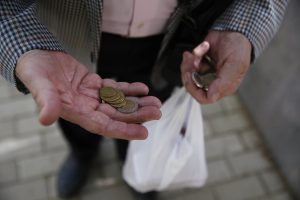
Eurostat’s latest data offers a stark glimpse into the reality of food insecurity across Europe, revealing how many citizens struggle to afford even the most basic meals.
In 2024, 8.5% of the EU population could not afford a meal with meat, fish, or a vegetarian equivalent every other day. While this marks a slight improvement from 2023 (down from 9.5%), the numbers remain troubling.
The divide is sharper among vulnerable groups: nearly one in five people at risk of poverty (19.4%) reported being unable to afford such a meal, compared with just 6.4% of those not facing poverty.
Slovakia tops the list
At the national level, Slovakia recorded the highest proportion of people at risk of poverty who struggled to put a proper meal on the table, at a staggering 39.8%. Bulgaria (37.7%) and Hungary (37.3%) followed closely.
Greece ranked fourth, with more than 30% of its population at risk of poverty—over three in ten people—unable to cover the cost of basic food.
On the other end of the spectrum, the lowest rates were observed in Cyprus (3.5%), Ireland, and Portugal (both 5.1%).
A measure of social inclusion
According to Eurostat, the ability to afford a meal with meat, fish, or a vegetarian equivalent every other day is one of the key indicators used to measure severe material and social deprivation at the household level.
It forms part of the broader index of people at risk of poverty or social exclusion and is used to monitor progress toward the EU’s flagship goal on poverty reduction and social inclusion, set out in the European Pillar of Social Rights Action Plan.