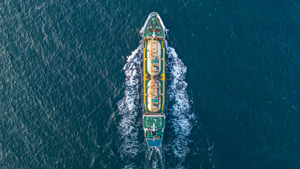
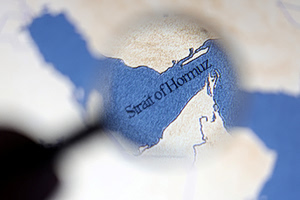
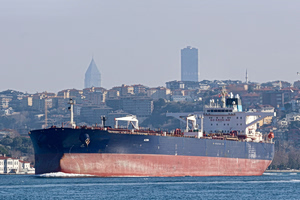
A fourth oil tanker operated by Athens-based Dynacom Tankers Management Ltd. has successfully transited the Strait of Hormuz, even as the strategic waterway remains largely closed to commercial shipping and tensions in the Persian Gulf continue to escalate.
The suezmax Pola, which had switched off its Automatic Identification System transponder in the Persian Gulf on March 10, reappeared Monday in the eastern Indian Ocean near the maritime corridor off Indonesia’s Sumatra island, according to vessel tracking data compiled by Bloomberg. The reappearance confirms the vessel made it through the strait undetected.
Carrying roughly 1 million barrels of crude oil, the Pola is headed to Thailand, according to data from intelligence firm Kpler, as reported by Bloomberg.
A Pattern of “Dark” Transits
The Pola’s passage follows those of three other Dynacom-managed tankers — the Shenlong, Smyrni and Marathi — which also crossed the strait earlier this month with their transponders disabled, according to Bloomberg. The practice of switching off tracking equipment makes it significantly harder to monitor vessel movements through the contested chokepoint.
While Iran has barred what it describes as “hostile” entities from using the strait, several Asian nations, including Thailand, have negotiated bilateral agreements allowing passage for some tankers and cargo ships, Bloomberg reported.
Dangers Laid Bare
The Pola’s successful transit stands in stark contrast to the fate of another vessel in the same waters. Earlier Tuesday, Iran struck the Al-Salmi, a fully laden Kuwaiti tanker, with a drone approximately 31 nautical miles northwest of Dubai. The attack caused a fire and hull damage, though no crew injuries were reported, according to Bloomberg. The Al-Salmi’s owner, Kuwait Petroleum Corp., warned of a potential oil spill; the vessel has capacity for roughly 2 million barrels of oil valued at over $200 million.
The strike is the latest in a series of drone and missile attacks on commercial shipping in the Gulf since the United States and Israel launched military operations against Iran on Feb. 28, and serves as a stark reminder of the risks that vessels are continuing to take in one of the world’s most critical and volatile maritime corridors.