Kiesling gained international recognition back in now far-off February 2003 when he very publicly resigned from the US State Department to protest America’s impending war with Iraq.
However, diplomacy and geopolitical analysis is far from his daily routine these days, as he’ll explain, with academic pursuits revolving on his beloved disciplines taking up much of his time “in front of a PC screen”, as he half-jokingly laments.
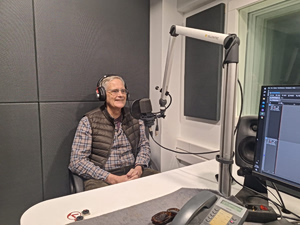
Brady Kiesling
Kiesling has been instrumental in developing an application and website called ToposText, a free mobile app and website that connects the ancient Greek world’s literary culture, monuments and history with its physical landscape – billed as a digital library and map for travelers, researchers and aficionados of ancient history. He’s also on the team behind the site Digital Periegesis, which traces the places and legends of ancient Greece through the footsteps of Pausanias, a second century AD Greek geographer and traveler from Asia Minor.
Along with his insight as a seasoned American expatriate living in Greece for years, Kiesling touches on politics and the global situation – up until the last days of 2025 – when asked. He was previously the chairman of the Democrats Abroad chapter in Greece.
He also candidly reflects on his high-profile resignation from the State Department in 2003 and even refers the still timely subject of one of his books, “Greek Urban Warriors”, a detailed history of the emergence and eventual defeat of the far-leftist terrorist group “17 November”.