Athens Mayor Haris Doukas has presented the National Garden as a model for sustainable green management across Greece, as the city hosted a European forum examining the role of historic gardens in cultural preservation and the development of more sustainable urban environments.
The ninth European Forum on Historic Gardens, titled “Historic Gardens Grow Europe,” took place October 7-9 and was hosted by the Municipality of Athens through GREEN ATHENS, the municipal company responsible for the National Garden and metropolitan green spaces.
Scientists, representatives of cultural organizations and specialists in heritage preservation and green-space management from across Europe attended the forum, alongside the General Assembly of the European Route of Historic Gardens (ERHG).
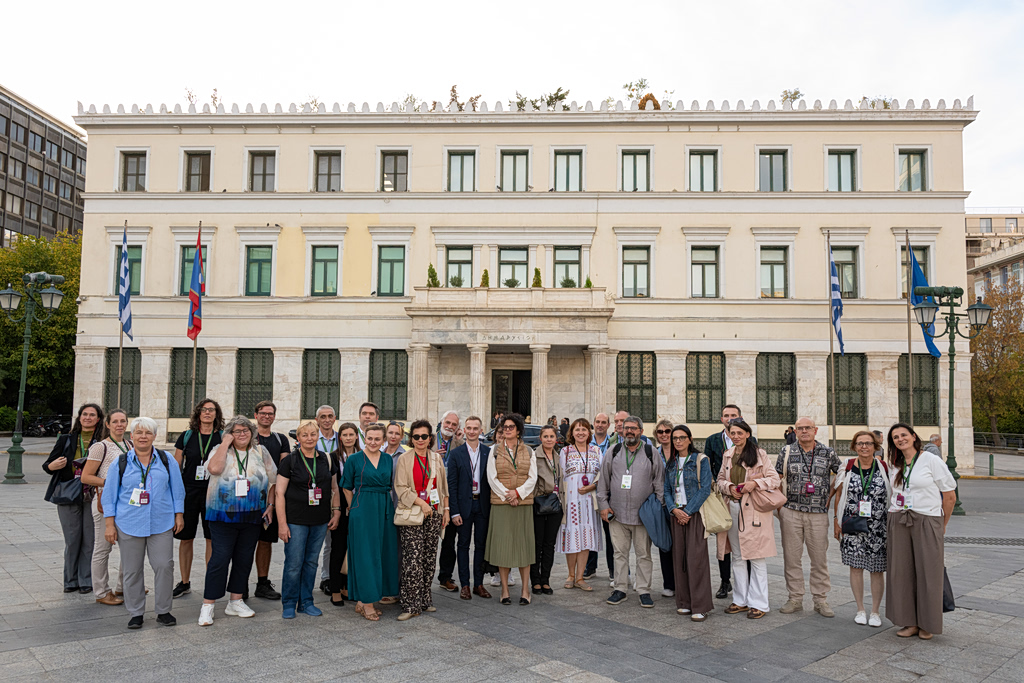
The 9th European Forum on Historic Gardens (Athens Municipality Press Office/Eurokinissi)
“The National Garden is a model of green management for the entire country,” Doukas said. He welcomed participants who share a commitment to protecting, preserving and promoting historic gardens.
The mayor emphasized the garden’s connection to Athens’ history and identity, highlighting ongoing efforts to maintain its character while adapting it to contemporary needs.
These initiatives include planting new trees, restoring the lake, redesigning the entrance on Amalias Avenue, installing 120 signs featuring QR codes and organizing educational programs for children.

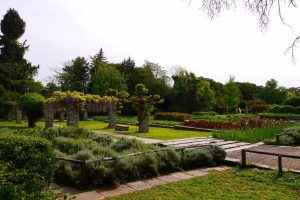
An autumn stroll in the National Garden in light rain (Michalis Papanikolaou/Eurokinissi)
“Through these efforts, we are keeping the National Garden alive and developing it, with the aim of safeguarding its unique character,” Doukas said.
Historic gardens as living monuments
Nikolas Fournarakis, CEO of National Garden–Metropolitan Green Spaces S.A., described historic gardens as living monuments that must be preserved.
This year’s forum attracted the highest participation in the event’s history, he said, calling it an important moment for Athens and a sign of confidence in the way the National Garden is managed.
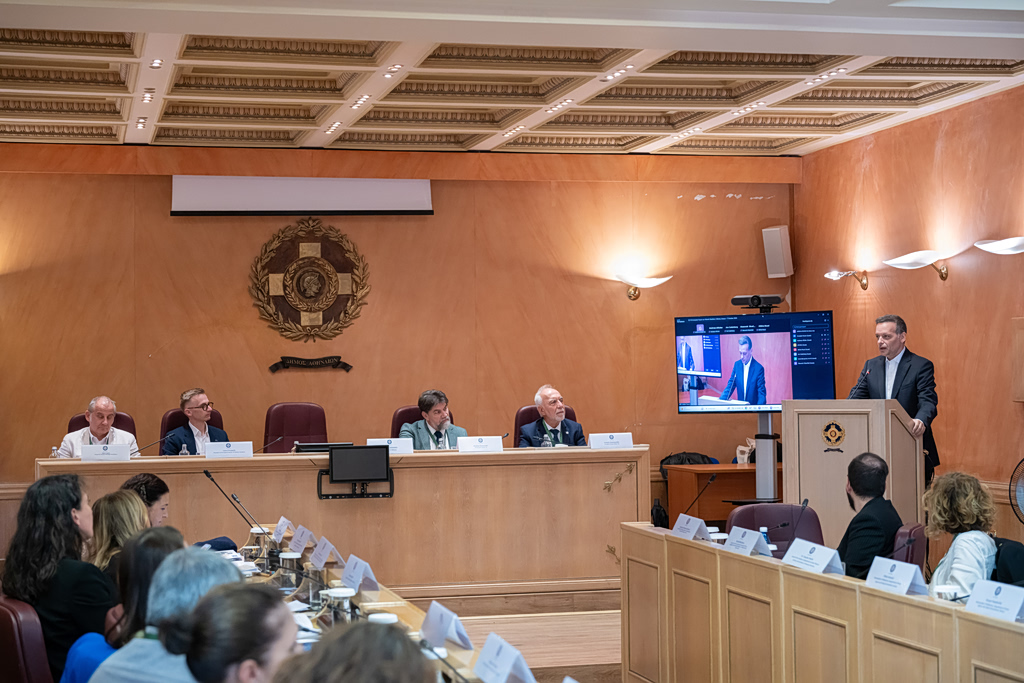
The 9th European Forum on Historic Gardens (Athens Municipality Press Office/Eurokinissi)
Fournarakis said the garden should be treated as a living monument of European history and horticultural design.
For the first time, the forum extended over three days. The introduction of workshops and the establishment of the Akanthus Awards also expanded opportunities for participants to exchange knowledge and develop partnerships.
The theme, “Historic Gardens Grow Europe,” highlighted the contribution of historic gardens to European cultural identity and environmental protection. Organizers emphasized that these spaces are more than repositories of historical memory: They are living ecosystems that reflect societies’ relationships with nature, aesthetics, culture and public space.
Their preservation has become increasingly important as cities face the effects of climate change and growing demand for green spaces.
Workshops, awards and cultural visits
The program included workshops at Serafio, a municipal facility in Athens, and the first presentation of the Akanthus Awards, which recognize contributions to the protection and promotion of historic gardens.
A musical event featuring a string quartet was also held in the National Garden as part of MERITA, a European initiative.
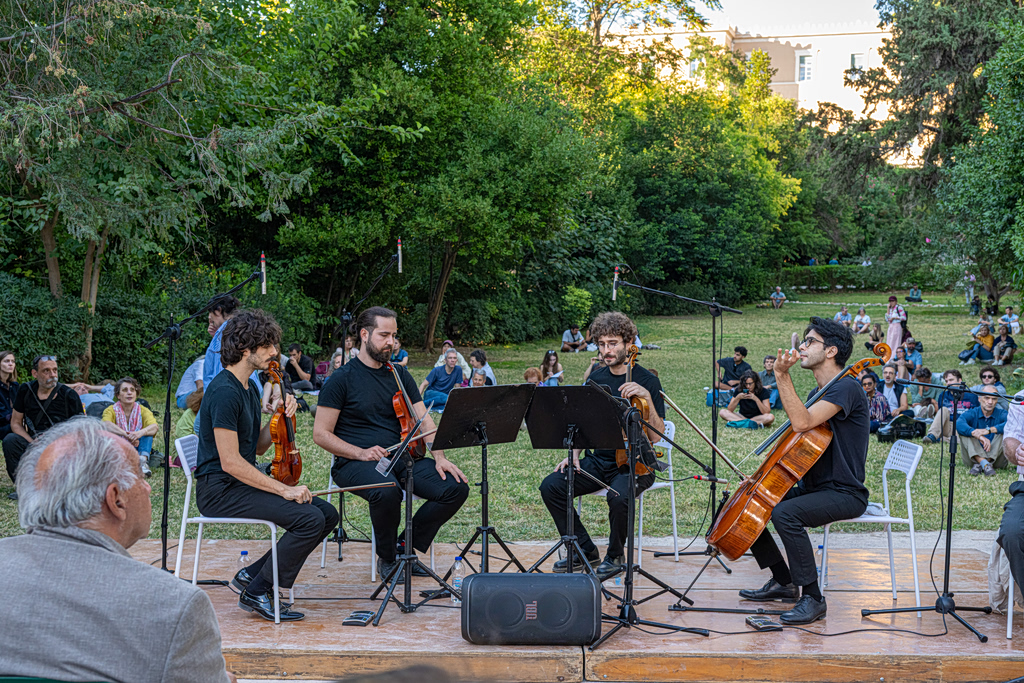
The 9th European Forum on Historic Gardens (Athens Municipality Press Office/Eurokinissi))
Participants visited several historic and cultural landscapes in Athens, including Philopappos Hill, the Pnyx, and the gardens of the Stavros Niarchos Foundation Cultural Center.
Research into the garden’s environmental and social benefits
The municipality is also collaborating with the Biology Department of the National and Kapodistrian University of Athens to collect data on the National Garden’s environmental and social benefits.
The research aims to assess the garden’s contribution to carbon dioxide absorption and examine the relationship between urban green spaces, mental health and residents’ well-being.

An autumn stroll in the National Garden in light rain (Michalis Papanikolaou/Eurokinissi)
The findings are expected to be presented at a dedicated event, with the goal of demonstrating the garden’s value to the city and its residents through scientific evidence.
For Athens, the National Garden remains an integral part of the city’s history and identity. Its preservation, alongside efforts to expand urban greenery and create new parks, is linked to the broader goal of making the capital more sustainable, more resilient to climate change and more welcoming to its residents.
The forum’s central message was that historic gardens are not merely relics of the past. They are living heritage sites and a shared European responsibility, with an important role to play in shaping the cities of the future.