The European Public Prosecutor’s Office has taken a significant step in its ongoing probe into alleged fraud involving EU agricultural subsidies in Greece, formally requesting that the Hellenic Parliament lift the parliamentary immunity of 11 sitting members of parliament. In a parallel move, the office has also referred to the Parliament information regarding the possible involvement of a former Minister of Rural Development and Food and a Deputy Minister in the alleged scheme.
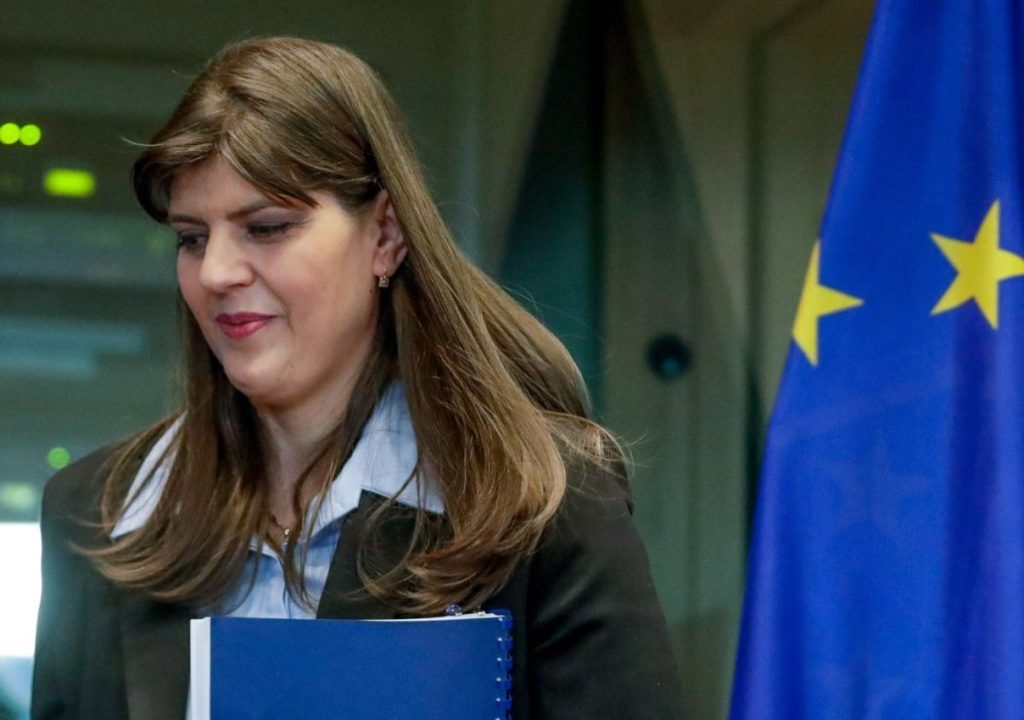
The immunity request, was announced today from Luxembourg, and was submitted by European Chief Prosecutor Laura Kövesi in accordance with Article 29 of the EPPO Regulation and applicable Greek national law. Five former members of parliament are also under investigation in connection to the same case. All persons concerned are presumed innocent until proven guilty in the competent Greek courts of law.
What the Investigation Covers
The case centers on an alleged organized fraud scheme involving public officials of OPEKEPE — Greece’s Payment and Control Agency for Guidance and Guarantee Community Aids, the body responsible for administering EU agricultural subsidy payments. The EPPO has described the investigation as one of several ongoing probes tied to alleged misconduct at the agency.
The conduct under investigation relates specifically to acts allegedly committed in 2021. According to the EPPO, the charges being examined include “instigation of breach of trust, computer fraud and false attestation with the intent to obtain for another an unlawful benefit” — all classified as “felonies and misdemeanours against the financial interests of the EU.”
The immunity request is a procedural prerequisite. Without it, prosecutors cannot take the investigative steps required to fully examine the role, if any, of the sitting lawmakers, whether to establish or to rule out their involvement. As the EPPO stated in its press release, the lifting of immunity is necessary in order to search for “inculpatory as well as exculpatory evidence.”
The Ministerial Dimension
In a parallel development, the EPPO’s Athens office has referred information to the Hellenic Parliament regarding the possible involvement of a former Minister of Rural Development and Food and a Deputy Minister in the alleged fraud scheme — both during the exercise of their official duties.
The referral is not a matter of prosecutorial choice. Article 86 of the Greek Constitution mandates that any evidence arising during an investigation that relates to offenses possibly committed by ministers while in office — even if they have since left their positions — must be promptly forwarded to parliament. The constitutional provision effectively removes such cases from EPPO’s jurisdiction entirely.
The consequences for the investigation are, in the EPPO’s own words, significant: the legal framework “makes it impossible for the EPPO to fully carry out its tasks and forces it to split its ongoing investigation for what concerns the possible criminal liability of members of the Greek government.”
The EPPO said it would not be releasing further details at this stage in order to avoid jeopardizing the outcome of the ongoing proceedings.
You can read EPPO’s press release on the matter here.