The new EPPO case file on the OPEKEPE agricultural subsidy scandal differs significantly from its predecessor — the file that implicated former ministers Voridis and Avgenakis — and those differences, according to prosecutorial sources, will shape both the judicial and political developments that follow.
Charges Have Already Been Filed
The most consequential detail in the new file is one that has received little attention: under Greek law, a request to lift parliamentary immunity can only be made after prosecutors have already decided to press criminal charges. The immunity request is not a preliminary investigative step. It is the last procedural hurdle before prosecution begins.
According to judicial sources, parliament’s permission is not being sought to investigate the lawmakers’ potential culpability. It is being sought to prosecute them. For any lawmaker whose immunity is lifted, defendant status follows automatically; a fact that lends the case enormous political weight and significantly narrows the government’s room for maneuver.
The file has also been approved and validated by EPPO’s central office in Luxembourg, the team of European Chief Prosecutor Laura Kövesi, which adds another layer of institutional gravity to the request.
Felonies for Some, Misdemeanors for Others
Not all 11 lawmakers face the same charges. According to ΤΟ ΒΗΜΑ, for some the charges rise to the level of felonies, while for the majority they involve misdemeanors. The distinction matters both legally and politically, and is likely to drive the government’s approach to each individual immunity vote.
According to reporting by ΤΟ ΒΗΜΑ that the final list of names, as the file makes its way through official channels, may not match exactly those that have circulated publicly. A small number of those reported may not appear in the file, while others may. In some cases, the alleged involvement stems not from direct action but from the conduct of close associates.
How the Case Was Built
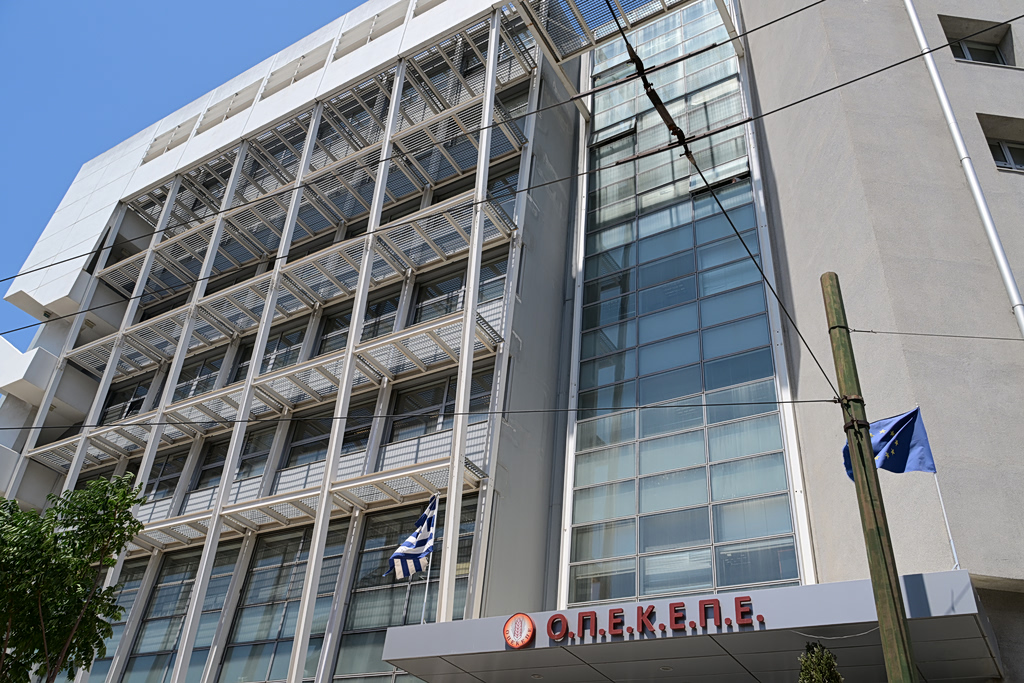
According to prosecutorial sources, the investigation was anchored in a series of legally authorized wiretaps placed in 2021 on OPEKEPE officials who had been reported at the time for involvement in illegal subsidy payments.
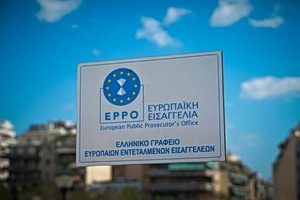
The recordings, which produced an extensive body of material, were methodically analyzed by the Hellenic Police’s Financial Crimes Unit acting under the direction of the Greek branch of the European Public Prosecutor’s Office. What emerged from that analysis was evidence of alleged involvement by lawmakers — some of whom now hold ministerial posts — in applying pressure on OPEKEPE officials.
Investigators then examined whether the alleged pressure on OPEKEPE officials had translated into actual illegal payments and concluded that it had. The lawmakers face charges of instigation, while the private individuals involved face separate charges.
The Ministerial Track Is a Different Matter
For the two former government officials — a former minister and a former deputy minister of Rural Development and Food — whose files are being referred to parliament under the ministerial accountability provisions of Article 86 of the Greek Constitution, the picture is less clear. Because Article 86 bars the EPPO from conducting its own criminal assessment of ministers, the strength of the evidence against the two former officials remains unknown at this stage. Once the full file is public and the charges against each lawmaker are examined on their merits, the political implications will come into sharper focus.