“Every major energy project -be it pipelines, LNG terminals, or interconnection cables- carries distinct geostrategic weight and can reshape regional balances”. This has been the guiding principle of the Greek government as it attempts to upgrade its geopolitical position in the East Med through projects centred on natural gas and green energy.
Athens seems to be banking on growing U.S. interest in hydrocarbon exploration in Greece’s western basin and more specifically in the south and west of Crete, where energy giants ExxonMobil and Chevron have already expre. The government also hopes to reinforce internal consumption of natural gas while establishing itself as a key route for US liquefied natural gas (LNG) into Europe. The aspiration is that such a move will bring the two countries closer, thus ensuring Greece’s interests in the East Med are always heeded.
Greece as an LNG Hub
According to sources from the Ministry of Environment and Energy: “Greece has a role to play as not only an LNG consumer but also a potential gateway for American energy exports to Europe”. They further stressed while talking to “To Vima” that the long-term strategic goal is to activate the so-called “vertical gas corridor”, with Ukraine as the ultimate destination, helping Europe diversify away from Russian gas.
Even before Russia’s invasion of Ukraine in 2022, US LNG had gained a strong foothold in Greece, with its imports steadily rising. By mid-2025, American LNG accounted roughly for nearly 40% of the Greek market, making the country the 15th largest consumer of US LNG worldwide.
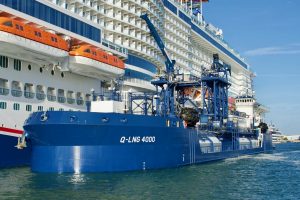
Exports, however, remain limited. The high cost of American LNG, often more than double the price of Russian gas, has discouraged European buyers. Athens hopes this will change if US suppliers’ lower prices, allowing Greece to channel significant volumes into Europe before the EU’s planned phase-out of Russian gas in 2027. To achieve this lofty goal however there will need to be a significant upgrade of the existing infrastructure as well as the addition of new floating storage and regasification units (FSRUs), to enable wider LNG flows.
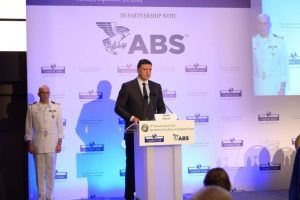
These issues will be at the forefront of a major energy conference that will take place in Athens on November 5-7 organised under the auspices of US and Greek energy ministers and with the participation of 20 Central and Eastern European states, excluding Turkey.
If successful, Greek officials believe the country will emerge not only as an energy hub but also as a stronger political actor in the region, further deepening ties with Washington.
The Trump Factor and Turkey
Diplomatic sources noted in their discussions with “To Vima” that “US energy involvement in Greece effectively serves as a shield for Athens’ interests in the East Med”. They also underlined that Washington has additionally emphasized the importance of Alexandroupolis, both as an LNG hub and as a transit point toward Ukraine. “American interest is real. “Energy is the lever, but our relationship with Israel is the guarantee, both for our reach in the East Med and for Greek American relations” they stressed.
New US Ambassador Kimberly Guilfoyle further underscored America’s support for Eastern Mediterranean energy projects and the “3+1” partnership between Greece, Cyprus, Israel, and the US during her recent confirmation hearing. Furthermore, business opportunities in the region are expected to attract President Trump’s attention, should commercial gains align with U.S. interests.
For Washington, the Greece–Turkey axis remains a critical second line of defense, balancing Russian assertiveness and Middle Eastern instability. Yet Trump’s approach is seen as more transactional, with energy and business interests overshadowing geopolitics.
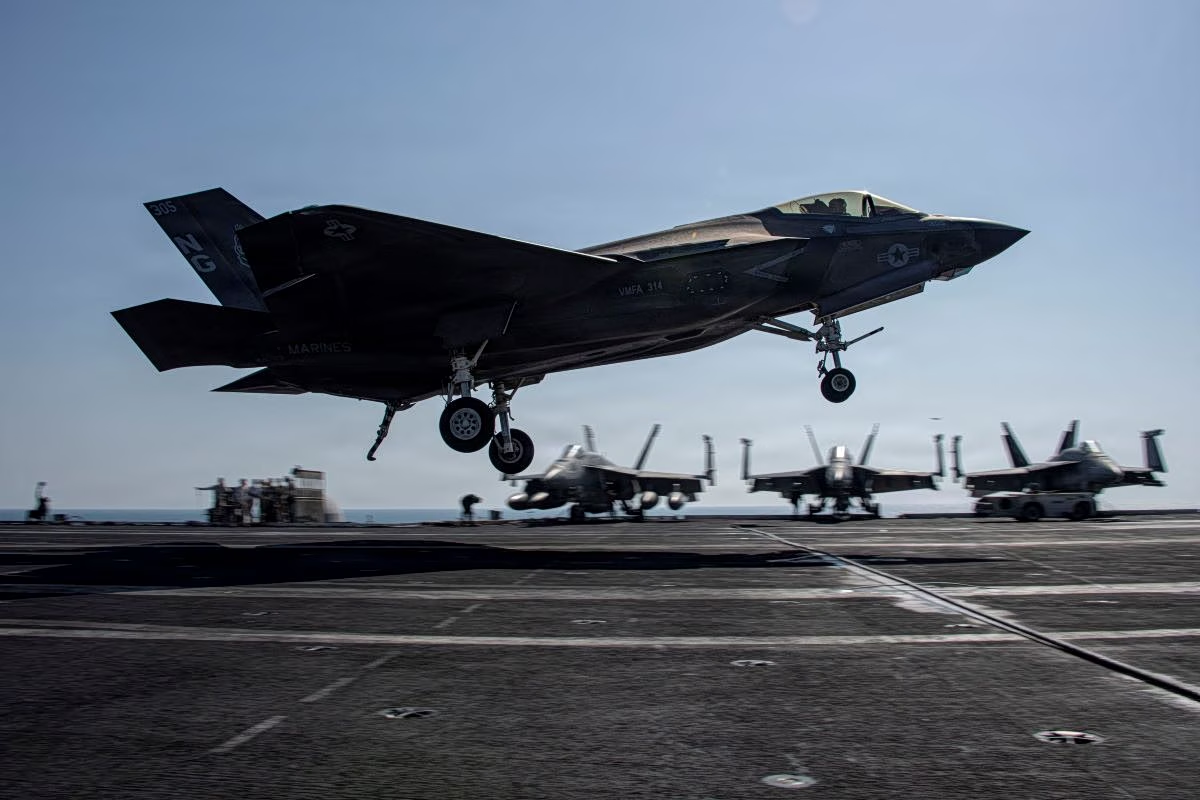
In this context Greek officials highlight the contrast between US- Turkey and US- Greek relations, stressing the significance of Trump’s demands for Turkey to reduce its dependence on Russian gas as a condition for lifting sanctions on Turkey’s defense industry, including the long-contested F-35 program. But, as diplomats point out, “Turkey cannot cut itself off from Russian gas in the foreseeable future without severe economic disruption.”
Chevron and Power Cables
Chevron’s entry into two offshore blocks near Crete has been interpreted in Athens as a signal of US support for Greek sovereignty in contested waters. While Greek official understand that private companies themselves do not make US foreign policy, they believe that Ankara will be reluctant to confront a major American firm, unlike past confrontations with French and Italian companies in Cyprus.
Still, Turkey has successfully blocked progress on the planned Greece–Cyprus electricity interconnector, insisting no project in the region should proceed without its participation. In response, Athens -according to sources- will begin to prioritize an electricity link with Egypt, routed through the Greece–Egypt maritime zone, to prove it can move forward independently, even without direct US backing.