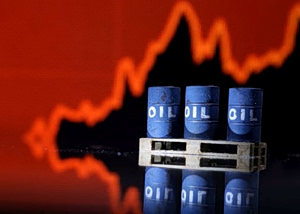
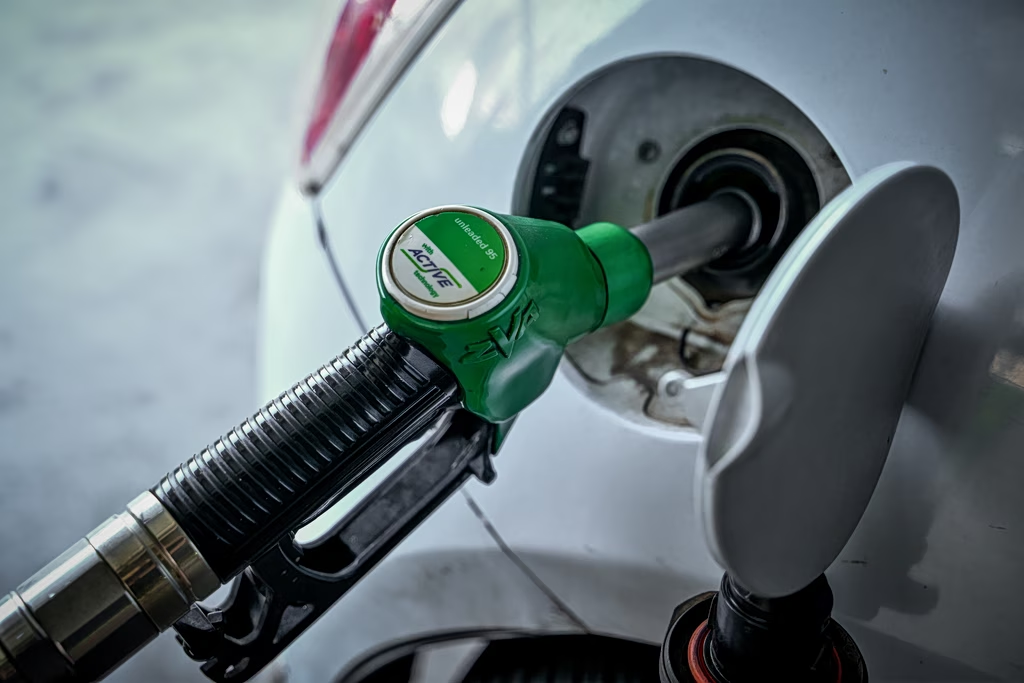
With diesel now taking the baton from other fuels in surpassing the 2 euros-per-liter mark, pressure is mounting across the Greek market and broader economy. As prices climb, the government is once again turning to subsidies as a potential buffer against the rising cost of energy.
Diesel prices have now exceeded 2 euros per liter, edging ever closer to unleaded gasoline, which currently ranges between 2.03 and 2.08 euros per liter. The surge is intensifying concerns ahead of the Easter travel period, prompting authorities to accelerate plans for a new support package focused on fuel costs.
In the initial phase, the government is expected to reintroduce a pump subsidy for diesel. Should the upward trend persist, a renewed version of the “Fuel Pass” subsidy for gasoline is likely to follow shortly before Holy Week.
Such measures are not unprecedented. During the previous energy crisis triggered by the Russia–Ukraine War, diesel subsidies reached 0.15 per liter, applied directly at fuel stations, effectively lowering costs for consumers. The Fuel Pass, on the other hand, was distributed directly to gasoline vehicle owners.
While subsidies may ease transport costs, their impact on wider inflation remains uncertain, hinging on geopolitical developments and fiscal limits. Analysts view the measures as largely short-term “firefighting,” as volatile oil prices and ongoing war pressures continue to drive inflation and strain the economy. A more lasting solution—cutting fuel taxes, which make up about 57% of gasoline prices and 44% of diesel—remains off the table.
Government officials, including Kyriakos Pierrakakis and Kyriakos Mitsotakis, stress that any tax cuts would require coordinated action at the EU level. Meanwhile, several European countries have already moved ahead with such reductions. Greece’s final decisions on fuel subsidies are expected within the week, though the extent of the measures is still unclear.