The Spanish Civil War (1936–1939) occupies a near-mythic place in modern history—not only for the courage of Spain’s democratic forces resisting General Francisco Franco’s fascist uprising, but because it sparked a global movement of anti-fascist solidarity. One of the most powerful expressions of that solidarity was the creation of the International Brigades (Brigadas Internacionales): volunteer fighters from around the world who joined the Spanish Republicans in defense of democracy.
Seeking to honor those volunteers, Spain’s left-wing government under Prime Minister Pedro Sánchez granted Spanish citizenship on November 4 to 170 descendants of those International Brigade fighters. Among them is Kim (Kimon) Oikonomides, son of Michael Oikonomides, a Cypriot who spent two years fighting in Spain’s civil war.
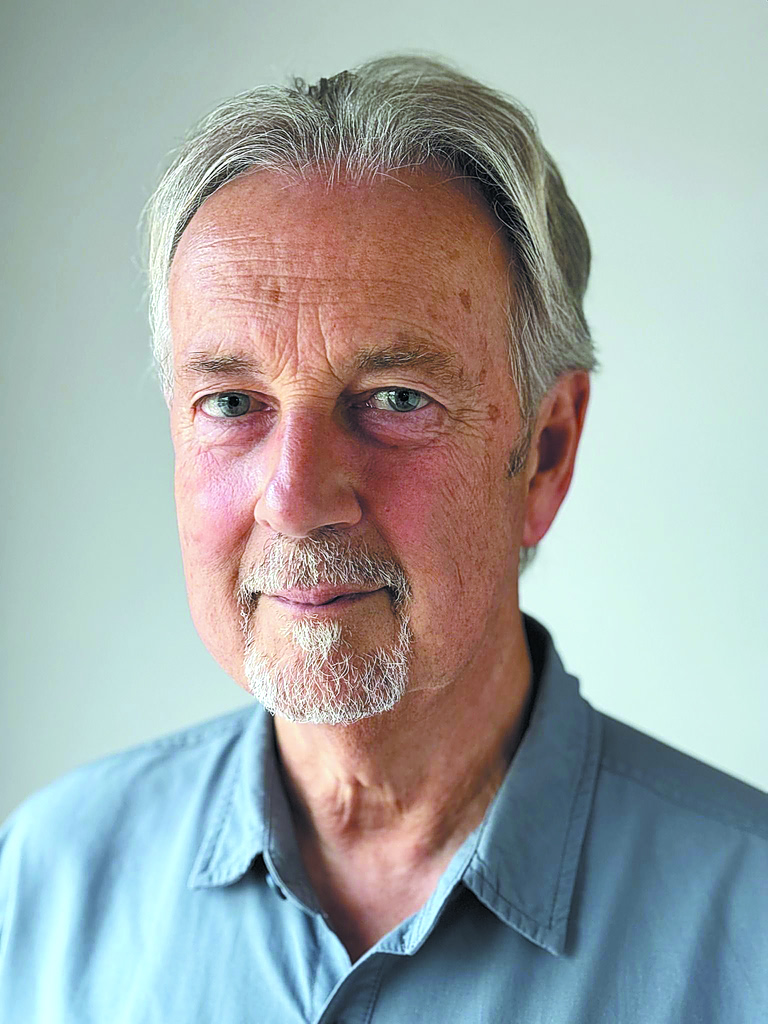
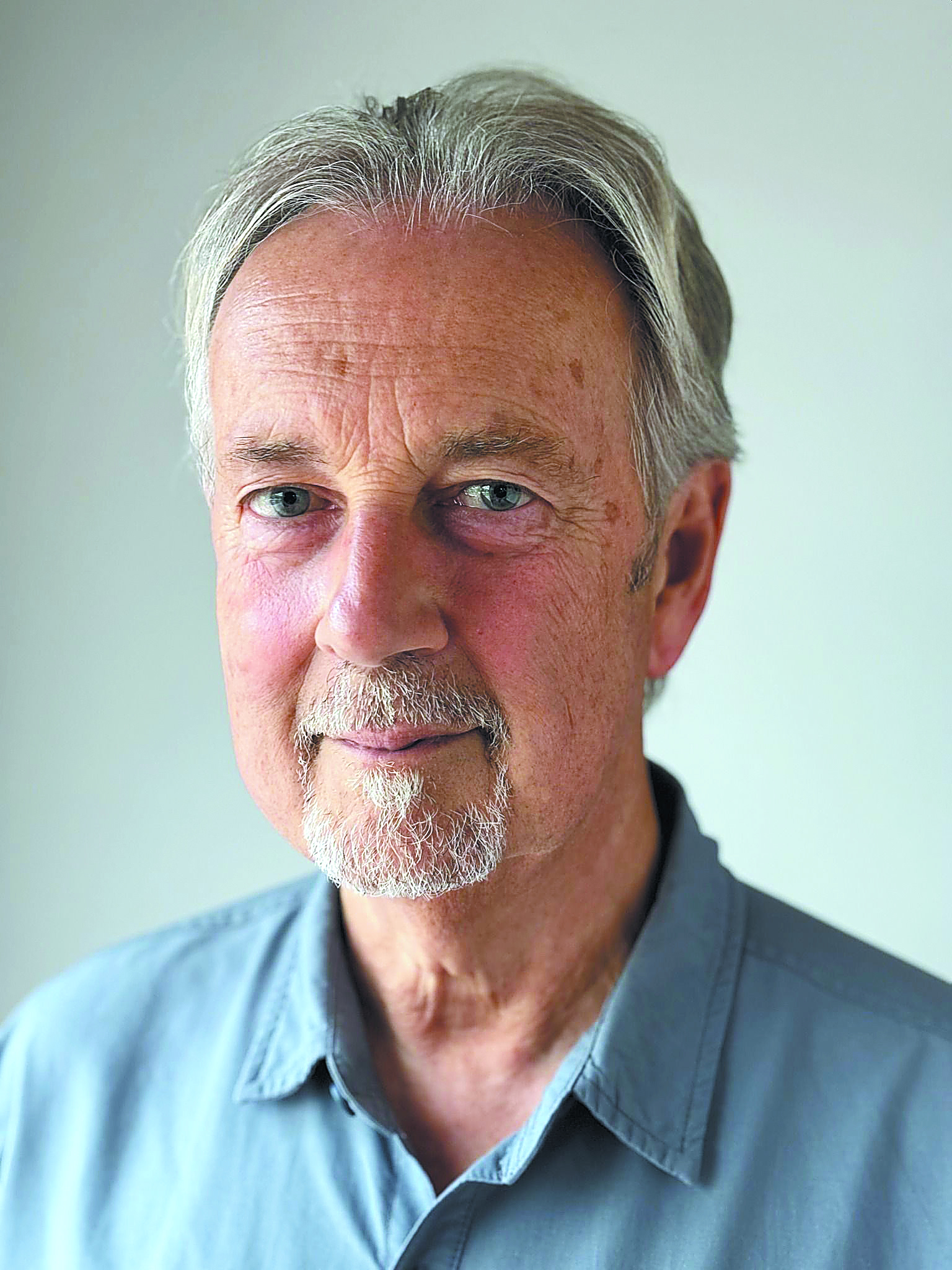
To Vima spoke with Professor Kimon Oikonomides—Emeritus Professor of Law at the University of Adelaide, Australia—who shared the extraordinary story of his father, a man who was also one of the founders of the Greek-Cypriot newspaper To Vima, published in London during the 1940s.
 The Path to Spain
Michael Oikonomides was born in Nicosia on January 17, 1910, one of six children in a wealthy family living in what was then the tallest house in the city—later used as the residence of the British governor of Cyprus. When the family fortune collapsed, they moved to a modest home in the village of Trikomo near Famagusta.
In 1927, hoping to join his two siblings already in the United States, he boarded a ship bound for New York. But when he contracted conjunctivitis, he was forced to interrupt the journey in Marseille. He eventually reached London on September 21, 1929.
Witnessing hardship and colonial injustice under British rule shaped his political awareness. In England, he became active in the Communist Party of Great Britain and in the labor movement, spending most of his working life in the catering industry.
On December 5, 1936, Michael Oikonomides and his friend Ezekias Papaioannou—later the long-serving leader of Cyprus’s left-wing AKEL party (1949–1988)—departed from London’s Victoria Station for Spain.
“Without doubt, these young Cypriots felt a duty to defend democracy in Spain,” his son explains. “But they were neither adventurers nor naïve idealists. My father understood the importance of resisting not only Franco’s fascists but also the rising threat of Hitler and Mussolini. He saw the Spanish Civil War as the first battle of World War II. He knew the risks. He calmly calculated that his chances of survival were slim, yet he went. His reasons were entirely rational: he believed deeply that the spread of fascism in Europe—and beyond—could be stopped, or at least slowed, by defending democracy in Spain.”
Two Years on the Front Lines
Oikonomides arrived in Figueres, Catalonia, on December 7, 1936, where he was welcomed as a hero. From December 1936 to January 1937, he served as a rifleman in the La Marseillaise battalion of the 14th International Brigade. He later joined the British battalion of the 15th International Brigade.
He was wounded twice. The first time was at the Battle of Jarama (February 1937). The second—much more serious—was during the Battle of the Ebro (April–October 1938), the bloodiest battle of the war, with at least 30,000 dead and 75,000 wounded.
During the conflict, he met notable figures such as George Orwell, who later wrote Homage to Catalonia about his own experiences in the war, and Jawaharlal Nehru, India’s future prime minister, who visited Spain in the summer of 1938 to express solidarity with the Republicans.
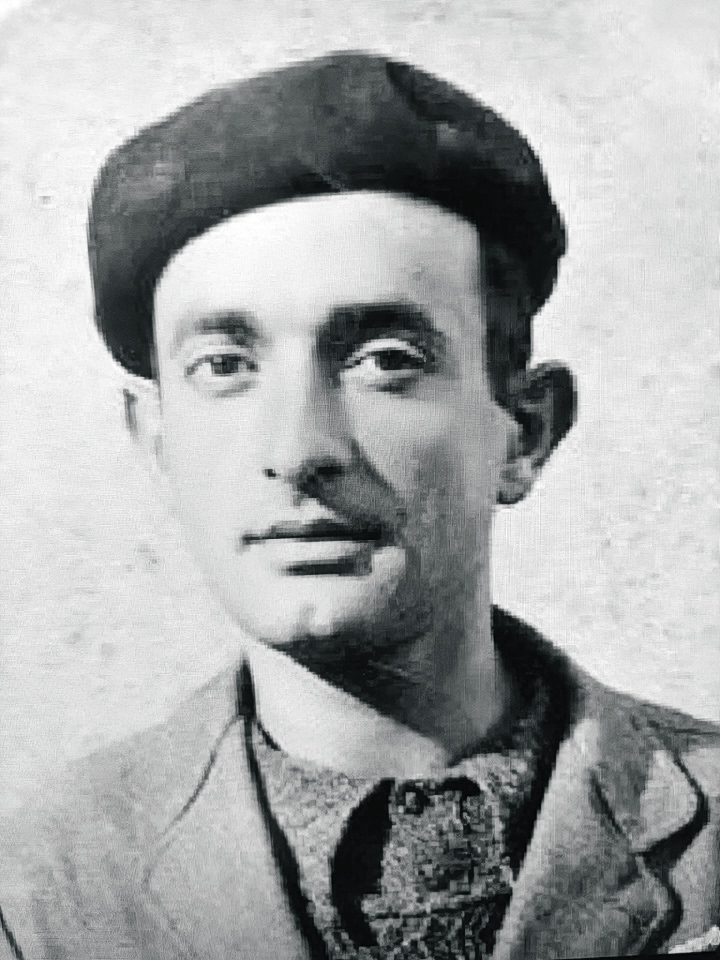 After two brutal years, Oikonomides returned to London on December 7, 1938. His injuries prevented him from fighting in World War II, but he contributed to the war effort by working in munitions factories in London and Cambridge.
“My father believed Franco’s victory in Spain was Pyrrhic,” his son recalls. “He was optimistic yet realistic. He wasn’t fatalistic. He didn’t believe anything was beyond change. The Greek word frónimos—meaning prudent, wise—captures his character best.”
Post-war Activism and Spain’s Recognition
After World War II, Oikonomides became involved in the struggle for Cypriot independence. “He was a founding member and secretary of the Cyprus Affairs Committee. In 1946, he was part of the Cypriot delegation—including Glafcos Clerides, later President of Cyprus—to the Paris Peace Conference,” his son notes.
Spain honored Michael Oikonomides on November 5, 1996, granting him Spanish citizenship—a gesture that gave him deep satisfaction, as he felt his sacrifices had not been forgotten. Only weeks later, on November 25, he passed away.
Twenty-nine years later, Spain conferred citizenship on his son, Kimon Oikonomides, in recognition of his father’s bravery. On December 1, he will attend a ceremony at the Spanish Embassy in London for the descendants of foreign volunteers who fought in the International Brigades.
He explains his decision:
“I sought Spanish citizenship solely to honor my father’s memory and the memory of his comrades—especially the Cypriots. I believe profoundly that the political and moral values they defended—freedom, democracy and the rule of law—are strikingly relevant today, at a time when authoritarianism and right-wing populist demagogues are once again undermining democracy.”