They manage dozens of flights every day, making critical decisions in fractions of a second. But how well-equipped are Greece’s airports to handle that immense responsibility safely?
In a rare, candid conversation, an air traffic controller describes the daily realities behind the radar screens — from dealing with near misses and aging systems to the emotional toll of the job.
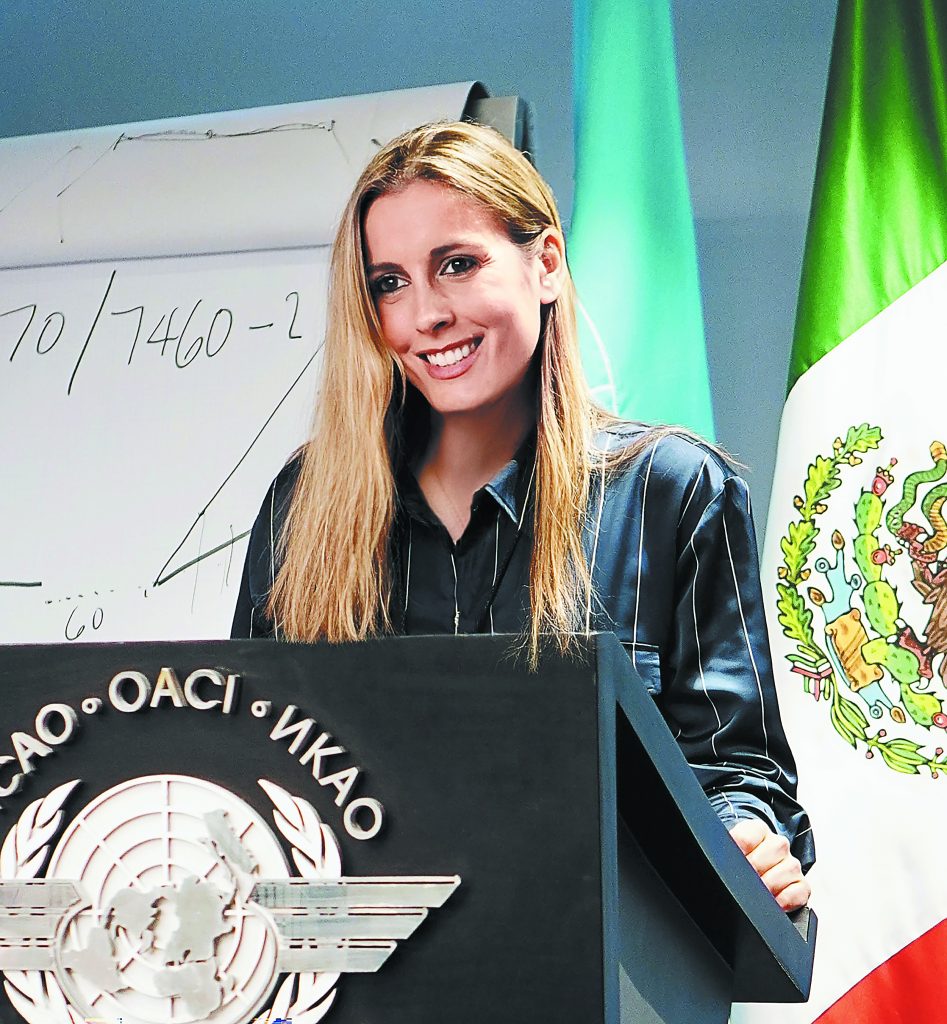
Air traffic controller Olga Toki.
If two aircraft faced emergencies at the same time — one carrying schoolchildren, the other pensioners — which would take priority?
“We wouldn’t know who’s on board. The pilot doesn’t provide passenger details because protocols don’t allow prioritising lives. The rule is that everyone must fly safely, and priority can only be given on technical grounds.
For example, if a plane reports smoke — extremely serious, because it can become a fire — or loses an engine, time is critical and you must bring it down first.
Luckily, I’ve never had two simultaneous emergencies. If I did, and both were equally urgent, I might look at details — say, if one had flown twelve hours over the Atlantic and the other just took off. Then I might prioritise the first.”
Have you ever managed an unfolding tragedy without realising it?
“Yes, during the Attica fires. I was new to the job, handling small planes, helicopters and firefighting aircraft. That day we lived the disaster from the start, without knowing its scale.
We talked to the firefighting pilots, guiding them for refuelling, not coordinating operations — just keeping them clear of other traffic. We didn’t have screens showing what was happening.
When I left my shift and heard the news on the radio, I was in shock.
I carried that weight for months. Still, it’s better we didn’t know everything. Emotional involvement destroys focus — and in this job, you must stay calm and clear-headed.”
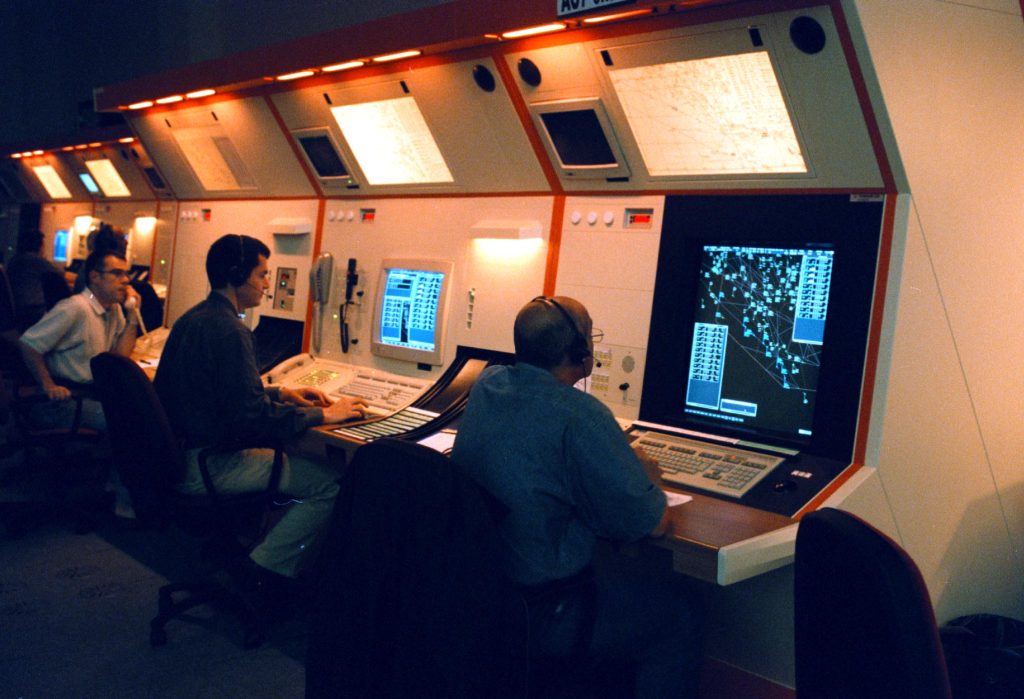
The traffic control center at the Athens’ old airport in Elliniko in southern coastal Athens.
Do you often think about the possibility of a tragedy?
“Always. Especially now that we speak more openly about risks.
The fear is huge because our equipment is ancient. Athens’ radar system was installed in 1999. Its lifespan is about ten years, with two upgrades. We’ve used it for twenty-five. There are no spare parts, and we pay EU fines for deficiencies — yet we’re told to ‘step on the gas’ for tourism.
It’s like racing in a 25-year-old car without service. The only reason we haven’t had an ‘aviation Tempi’ is that aircraft have their own collision-avoidance systems, TCAS-RA, which override everything when all else fails.”
How does that system work?
“When two aircraft are seconds from collision, the system gives each an automated command. One cockpit hears ‘climb, climb’, the other ‘descend, descend’. The manoeuvre is violent but saves lives.
It’s terrifying for pilots — and passengers too. Injuries sometimes occur.”
Do such alerts happen often?
“Not daily, but they happen. In Greece, if it does, we often say, ‘never mind, see you tomorrow.’ In reality, you should see a psychologist and take time off.
It’s traumatic. You realise you came dangerously close to disaster. Some controllers become fearful or withdrawn; others feel scrutinised. It changes the atmosphere in the tower.”
Would modern equipment make a difference?
“Absolutely. With proper tools, you’d see the problem sooner and act faster. The safety net would catch the error, and a colleague wouldn’t face stigma or gossip afterwards.”
Do controllers report their own mistakes?
“In theory, yes — we follow what’s called ‘just culture’, meaning mistakes aren’t punished but analysed. You look at contributing factors — fatigue, stress, bad communication, poor training — and try to fix them. That’s the idea.”
And in practice?
“It’s taboo. Few controllers admit to a mistake that almost caused a collision. In Germany or Scandinavia it works — there’s trust. Here, we rely on solidarity because, under these working conditions, it could happen to anyone.
Officially, there should be access to aviation psychologists and peer support, but in Greece that exists only on paper. We don’t give the human factor the importance it deserves — and it’s everything.”
Why are there so many incidents lately?
“It’s complex. Flight density has skyrocketed, so conflicts are more likely. Five planes in an airspace is one thing; fifteen is another. Some incidents escalate to RA alerts.
Many colleagues suffer burnout. The administration only looks at numbers and demands more productivity.
At Athens International, we’ve set a safety limit of 22 landings per hour — but summer demand reaches forty. The service paid about €100,000 for capacity studies; when results didn’t suit management, they brought in new evaluators.”
Is there constant tension in the tower?
“Yes. This job runs on adrenaline — every second matters. You must make the right call fast. Internationally, it’s the ‘four-eyes principle’ — two controllers per position. Here, we’re so understaffed that solo shifts are the norm.
In island towers like Skiathos or Kefalonia, there are no fixed breaks. Controllers might rush to the toilet between landings. Once, a colleague had to leave urgently during a landing, forcing a go-around. Would you blame her for that?”
What’s the situation at Athens Approach, where you work?
“In summer, even on breaks, I often stand behind a colleague to help. Beyond chronic understaffing, we’ve filed a serious complaint: our outdated system gives no safety alerts.
If two planes are on conflicting paths, I get no visual warning. We’re probably the only country in Europe where that happens. So either I spot it myself — or rely on the last-resort RA system.”
How critical is communication with the pilot?
“Essential. We’re their eyes, but they have final responsibility and can refuse a command if they see something I can’t.
Most are professional, but misunderstandings happen. I might say, ‘descend to one-five-zero,’ they repeat it, but I’ll still ask again to be sure.
Frequency interference is common. Sometimes poor audio or expectation bias causes mistakes. Our radio coverage is terrible — full of external interference. So you repeat, double-check, and still risk misunderstanding.”
Do you record transmissions?
“No. Plans exist to install a system that records the last half hour of frequency, but it’s not operational yet.
It would help us review what happened — not to assign blame, but to learn. It also lets you see how you reacted under stress.
Personally, I always defer to pilots in disputes. Being confrontational on frequency helps no one — and it’s unprofessional.”
Do you love your job?
“Very much. I studied law — never thought I’d become a controller. But it’s creative in its own way.
Sequencing landings is like embroidery — each turn precise and deliberate. Every day brings a new scenario.
And when a shift ends and you can say, ‘I brought the planes home safely today,’ or when a pilot says, ‘great job,’ — that’s the greatest reward.”