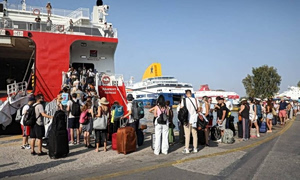
The ongoing U.S.-Israeli war with Iran is wreaking havoc on global travel, leaving tourists scrambling to reroute flights, pay higher fares, and in some cases, cancel long-awaited vacations.
For Natasha Earle and her family in Western Australia, a “once-in-a-lifetime” five-week European trip booked through Emirates has turned into an extra-cost ordeal. They are spending roughly A$10,000 ($7,000) more to avoid flying over Middle East airspace affected by drone and missile fire. “We’ve spent tens of thousands of dollars on this holiday,” Earle said, highlighting the travel chaos unfolding worldwide.
Middle East Airspace Closures Disrupt Flights
The Gulf region is a key hub for global aviation, connecting Europe, Asia, and the Pacific. The conflict has forced airlines to avoid much of the Middle East’s airspace, resulting in tens of thousands of flight cancellations, reroutings, and schedule changes, affecting millions of passengers.
As reported in Reuters, passengers like Jacob Brown, a New Zealander living in Doha, were forced to drive through the Saudi desert to catch a flight to London after a cancelled Qatar Airways service disrupted a short journey that should have taken less than 24 hours.
Similarly, Australians Aditya Kushwaha and Kellee Smith are weighing whether to risk their European trips, facing potential losses of $10,000 or more due to cancellations, rerouting, and higher fares.
Airlines Struggle with Costs and Fuel
The conflict has narrowed long-haul flight corridors, forcing carriers to take longer routes that increase fuel consumption. Airlines such as Emirates, Etihad, Cathay Pacific, and Qantas have raised ticket prices and fuel surcharges in response.
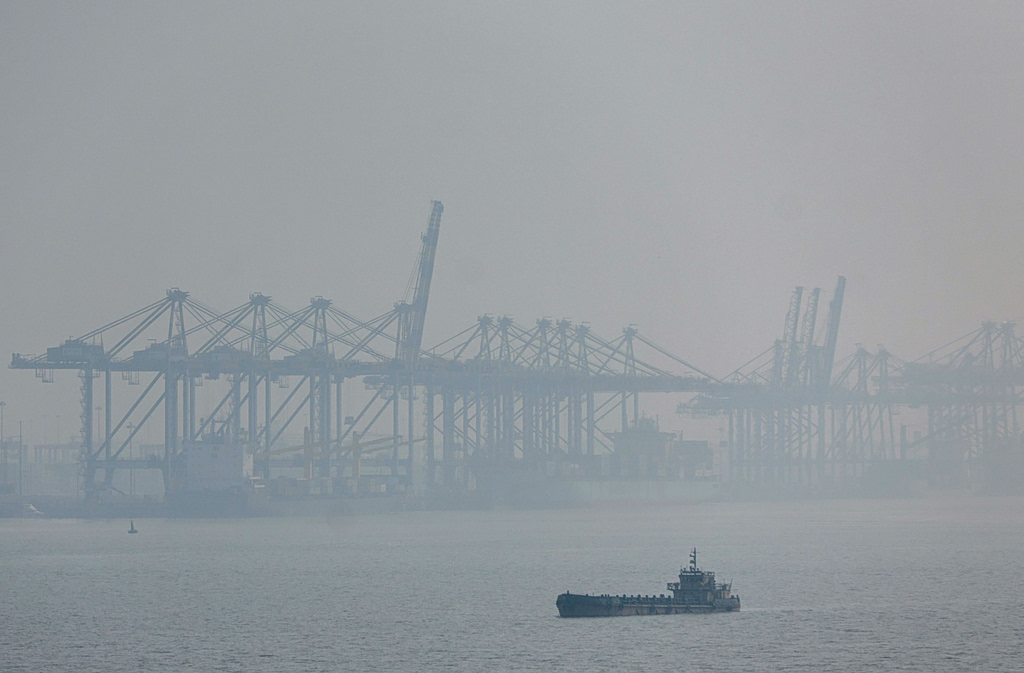
The International Energy Agency has warned that the war has triggered the largest oil supply disruption in history, with some analysts predicting possible jet fuel shortages in parts of Asia as early as April. “The large Middle Eastern airlines like Emirates and Etihad can’t fly the routes they should, and therefore the European and Asian airlines have to pick up that traffic,” said aviation specialist Hans Joergen Elnaes.
Tourists Opt for Safer Alternatives
Many travellers are rerouting via Singapore, the U.S., or South Africa instead of flying through the Middle East. British retirees John and Pauline Moore chose to transit through Brisbane via Qantas, while Sydney resident Sumit Sharma switched his family’s trip to Hong Kong with Cathay Pacific.
Budget carriers such as Ryanair and major airlines like Lufthansa have reported surges in demand for flights that avoid Middle Eastern airspace, with bookings for Asia from Europe up 75% year-on-year.