The European Union is stepping up efforts to dissuade U.S. President Donald Trump from imposing tariffs on European allies over Greenland, while simultaneously preparing retaliatory measures if negotiations fail, EU diplomats said.
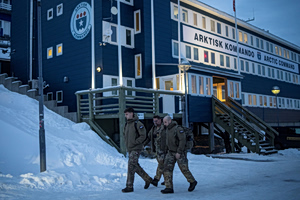
EU ambassadors reached broad agreement on Sunday to intensify diplomatic engagement with Washington after Trump vowed to impose escalating tariffs from February 1 on Denmark, Sweden, France, Germany, the Netherlands and Finland, as well as Britain and Norway. Trump has said the tariffs would remain in place until the United States is allowed to buy Greenland, an autonomous Danish territory — a move major EU states have condemned as blackmail.
Trumps Threats
Trump’s threats, which target Denmark, Sweden, France, Germany, the Netherlands, Finland, Britain, and Norway, are tied to his claims that Greenland is strategically vital due to the presence of Russia and China in the Arctic. Trump’s administration has also linked the island’s control to U.S. global security interests, with Treasury Secretary Scott Bessent describing Greenland as necessary to counter what he called European “weakness.”
In a striking revelation, Trump directly connected his Greenland push to not being awarded the Nobel Peace Prize. In a letter to Norwegian Prime Minister Jonas Gahr Store, Trump wrote:
Trump has repeatedly justified his stance by citing security concerns. In a social media post, he said Denmark had failed to counter what he described as a “Russian threat” to Greenland, adding, “Now it is time, and it will be done.” European officials have countered that Greenland is already covered by NATO’s collective defence pact.
U.S. Treasury Secretary Scott Bessent echoed the security argument, saying U.S. control of Greenland was necessary due to what he called European “weakness” in a geopolitical contest with Russia and China. Speaking on U.S. television, Bessent said he believed European leaders would ultimately accept the move as beneficial for Greenland, Europe and the United States.
The EU Retaliation Plans
The EU has signaled it is prepared to retaliate if tariffs are enacted. Options include a 93 billion-euro ($107.7 billion) tariff package, potentially triggered automatically on February 6, or the deployment of the so-called “Anti-Coercion Instrument,” which could limit U.S. access to European public tenders, investments, and certain trade in services.
European Council President Antonio Costa emphasized solidarity with Denmark and Greenland, saying consultations showed “strong commitment to defend against any form of coercion.” Danish Prime Minister Mette Frederiksen echoed the message, stating, “Europe will not be blackmailed.”
The dispute has already unsettled global markets, with the euro and pound falling against the dollar, and it is expected to dominate discussions at the World Economic Forum in Davos this week, where Trump is scheduled to appear.
Concerns
Lawmakers in the U.S. have raised concerns about the legality of using tariffs or force to acquire Greenland. Some, including Senator Rand Paul and Representative Mike Turner, warned that such actions could damage NATO relations, while others, like Senator Ted Cruz, cited Greenland’s minerals and strategic location as reasons for U.S. interest.