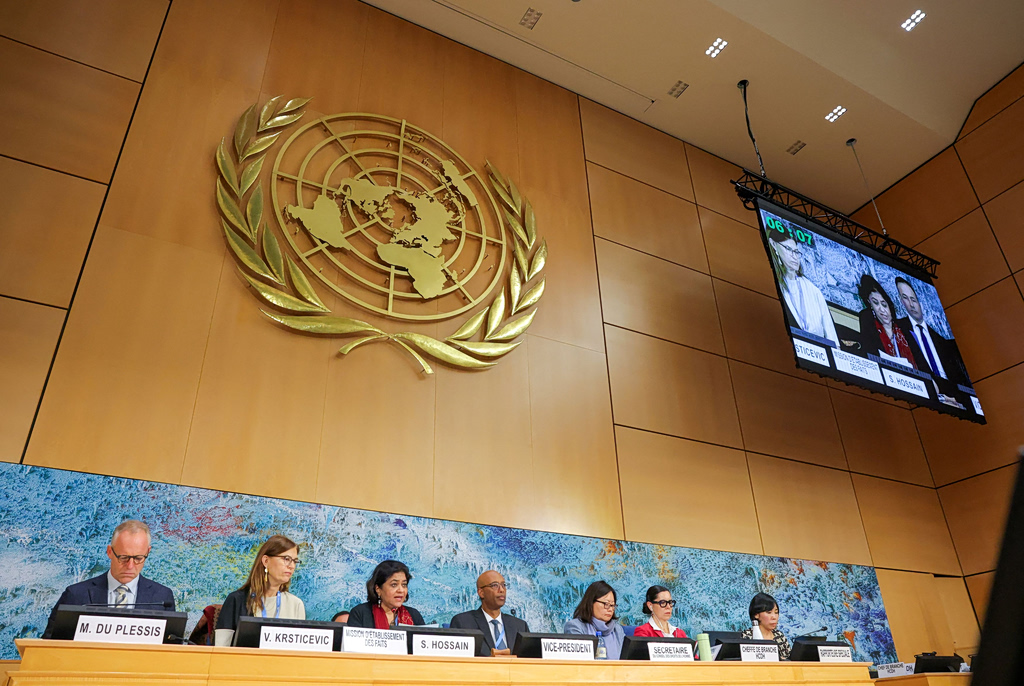
The ongoing war in Iran has highlighted the risks of heavy dependence on fossil fuels, according to Simon Stiell, Executive Secretary of the UNFCCC. Speaking to European policymakers in Brussels, Stiell described the crisis as an “abject lesson” in how energy reliance can undermine national security and economic stability.
European Energy Markets Hit Hard
Although geographically distant from the Middle East, Europe has felt the impact of the conflict through sharply rising energy prices. European gas costs have surged by 50% since the war began just two weeks ago, prompting emergency measures by EU governments to protect consumers and prevent a repeat of the 2022 energy crisis.
“Fossil fuel dependency is ripping away national security and sovereignty, and replacing it with subservience and rising costs,” Stiell said in prepared remarks. He warned that Europe’s reliance on imported oil and gas—over 90% of oil and 80% of gas—leaves citizens vulnerable to geopolitical shocks and volatile pricing.
Renewables as a Strategic Solution
Stiell emphasized that a transition to locally produced renewable and nuclear energy is key to securing Europe’s energy independence. Governments, he argued, should resist pressure from countries like Italy and Hungary to weaken climate policies for short-term relief.
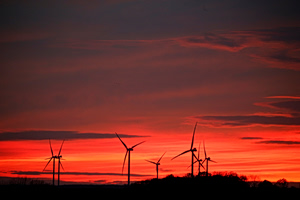
“Meek dependence on fossil fuel imports will leave Europe forever lurching from crisis to crisis,” Stiell said. He highlighted the long-term benefits of renewables, noting that sources like solar and wind offer stable, low-cost energy and stimulate clean-technology jobs, free from reliance on vulnerable shipping routes.