Nepal’s Prime Minister K.P. Sharma Oli resigned on Tuesday after days of mass protests led by young anti-corruption demonstrators that defied curfews, clashed with police, and left 19 people dead in the first wave of unrest.
No one is above people.
End result of massive Unemployment & Corruption.#Nepalprotest pic.twitter.com/P64vGWto2m
— Mohit Chauhan (@mohitlaws) September 9, 2025
The protests were triggered by the government’s decision to block social media platforms, sparking outrage among young Nepalis already frustrated by corruption and a lack of opportunities. The ban was lifted after violent clashes on Monday, during which police fired rubber bullets and tear gas, injuring more than 100 people.
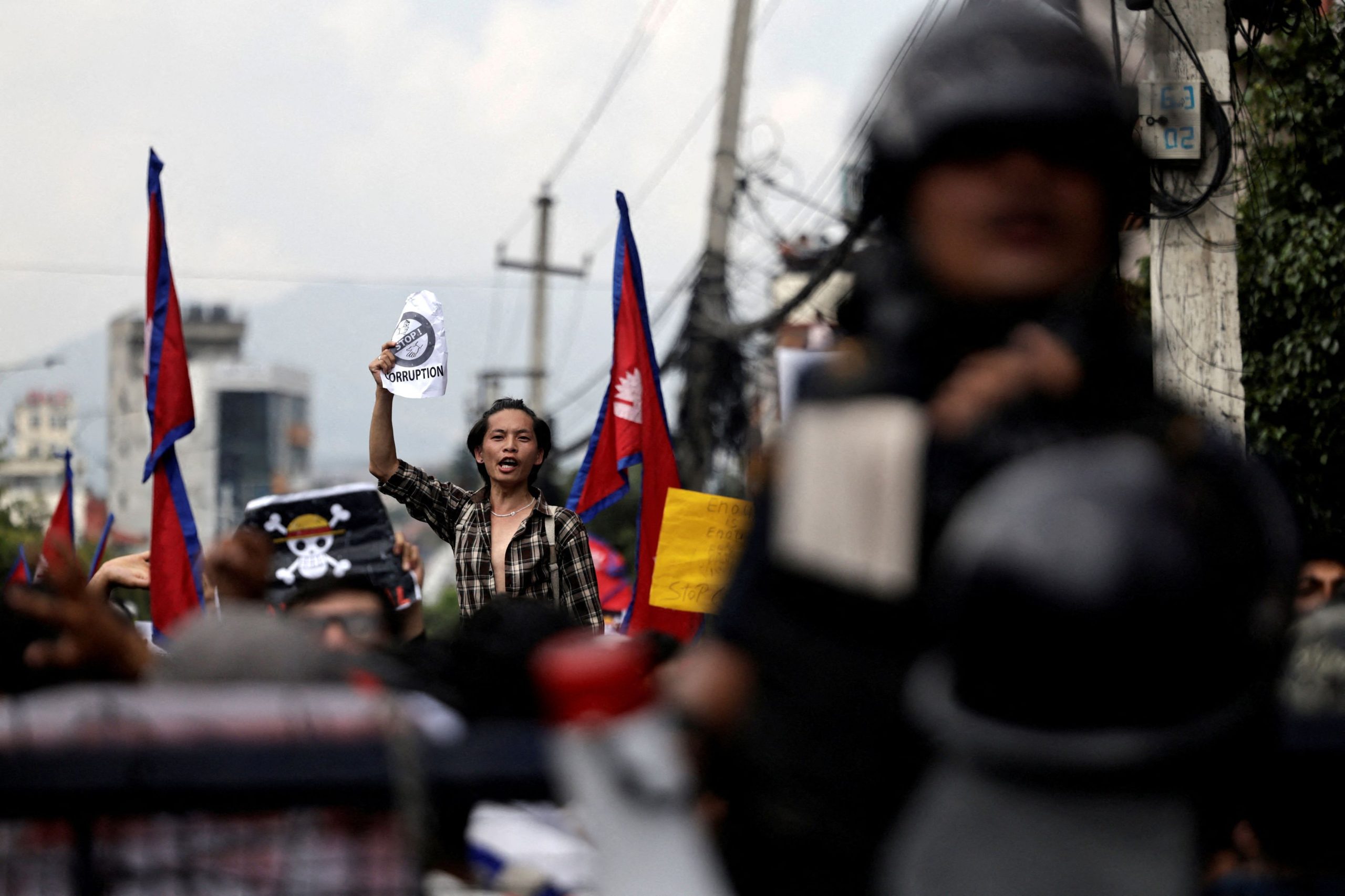
A demonstrator shouts slogans during a protest against corruption and the government’s decision to block several social media platforms, in Kathmandu, Nepal September 8, 2025. REUTERS/Navesh Chitrakar
“In view of the adverse situation in the country, I have resigned effective today to facilitate a solution,” Oli, 73, said in a letter to President Ramchandra Paudel. The president has begun consultations to appoint a new premier and has summoned protest leaders for talks.
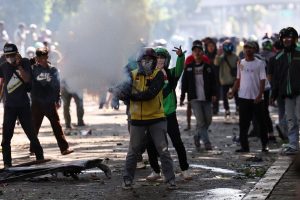
Despite the resignation, demonstrations continued in Kathmandu and across the country. Jubilant youths stormed parliament, waving banners and spray-painting “We won” on its walls, while others set tires ablaze and targeted politicians’ homes. Witnesses reported fires at the prime minister’s residence and ministries in the Singha Durbar government complex.
🚨BREAKING: The youth of #Nepal set fire to the Prime Minister Oli’s residence.#Nepalprotest pic.twitter.com/sDkgkyHaG5
— Mohit Chauhan (@mohitlaws) September 9, 2025
The army urged protesters to stand down, pledging to protect “lives and property.” International actors also weighed in: the United States called for restraint, urging all sides to avoid violence.
Oli’s fall comes just over a year after he began his fourth term, becoming the 14th prime minister since Nepal abolished its monarchy in 2008. His government has faced mounting criticism over graft allegations, high living costs, and curbs on free expression.
#Nepalprotest #NepalProtests#Nepal
NEPAL ARMY ANNOUNCES NATIONWIDE CURFEW FROM Wed EVENING 😱
22 Killed & Around 200 Injured 😱
PM Oli resigns ☑️
Parliament torched ☑️
Airport shut☑️#SocialMediaBan Lifted ☑️GenZ Burned Polticians Houses in Nepal ☑️pic.twitter.com/1nzXIRslNu pic.twitter.com/Fwp9P5jN2K
— Khan (@Khanmohammed12) September 10, 2025
The demonstrations, described by organisers as “Gen Z protests,” reflect deep disillusionment among Nepal’s youth. Millions have left the country to work abroad, while at home many see corruption and privilege holding back progress.
“The protest was intended, first and foremost, against rampant corruption in government,” one demonstrator wrote in an email to Reuters, signing off as “a concerned Nepali citizen.”
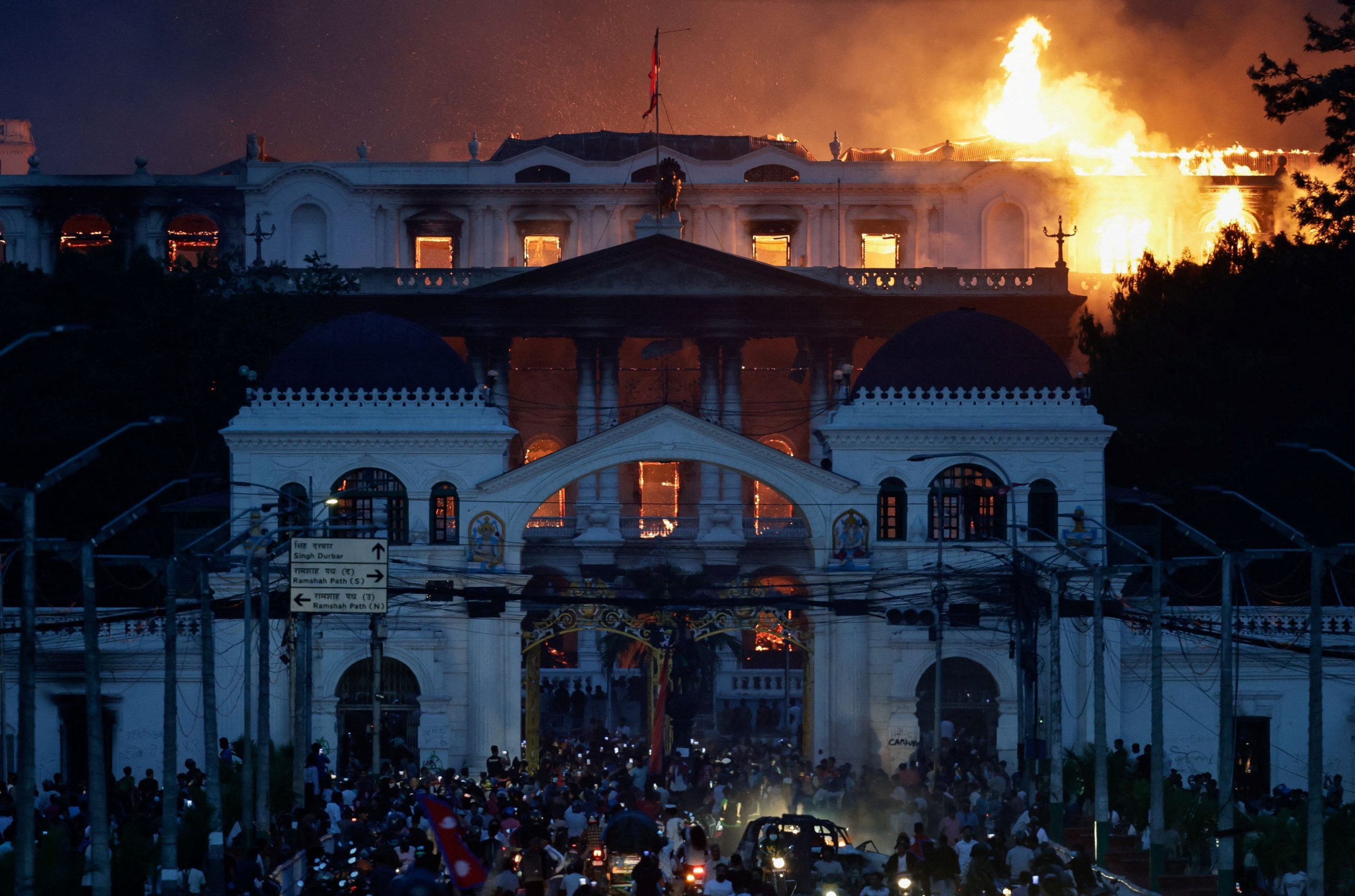
Flames rise from the burning Singha Durbar office complex that houses the Nepali prime minister’s office and other ministries, amid a protest against Monday’s killing of 19 people after anti-corruption protests that were triggered by a social media ban which was later lifted, during a curfew in Kathmandu, Nepal, September 9, 2025. REUTERS/Navesh Chitrakar TPX IMAGES OF THE DAY
Kathmandu’s main international airport was shut down on Tuesday after smoke from fires filled the skies, cutting off Nepal’s primary global gateway.
With Oli gone, Nepal now faces a political vacuum as leaders scramble to restore order. But for many young Nepalis, the movement is just beginning.
In less than 48 hours Gen Z protest in Nepal did the following:
– Burnt down multiple politicians’ houses
– Increased the protest even during curfew and firing around multiple cities
– made the Prime Minister resign
– entered parliament and burnt it.This is the generation that… pic.twitter.com/ovY2tWAASY
— CG (@chandangoopta) September 9, 2025