Russia and the United States failed to reach a compromise on a possible peace deal for Ukraine following a five-hour meeting at the Kremlin between President Vladimir Putin and Donald Trump’s top envoys, the Kremlin said on Wednesday.
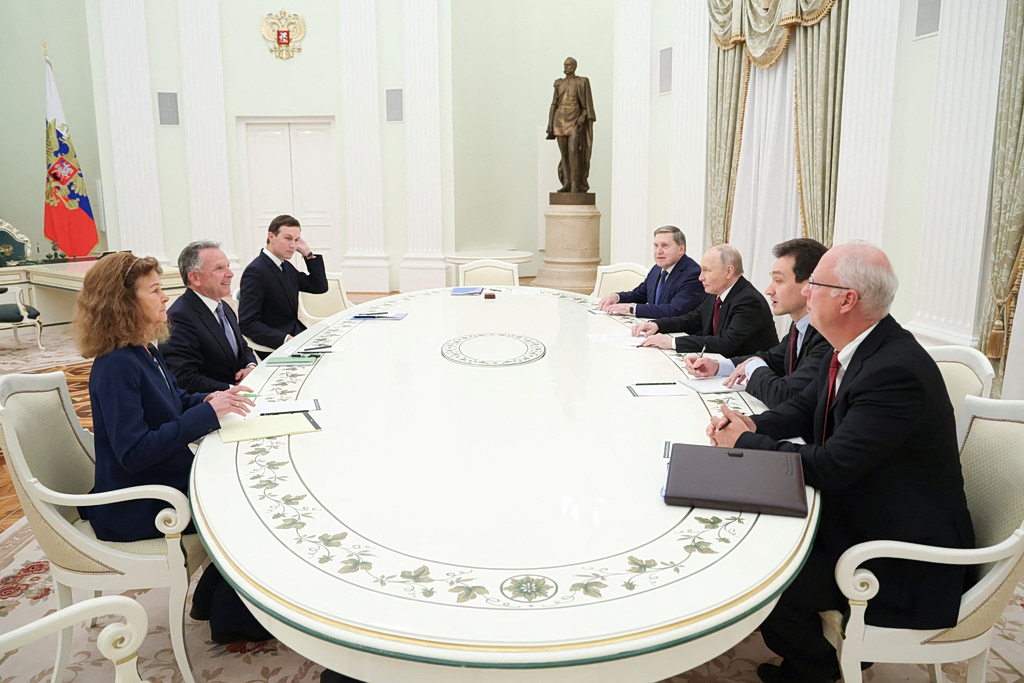
Russian President Vladimir Putin, presidential envoy Kirill Dmitriev and foreign policy aide Yuri Ushakov attend a meeting with U.S. President Donald Trump’s special envoy Steve Witkoff and son-in-law Jared Kushner at the Kremlin in Moscow, Russia, December 2, 2025. Sputnik/Alexander Kazakov/Pool via REUTERS ATTENTION EDITORS – THIS IMAGE WAS PROVIDED BY A THIRD PARTY.
Trump’s special envoy Steve Witkoff and son-in-law Jared Kushner met with Putin, his top foreign policy aide Yuri Ushakov, and presidential envoy Kirill Dmitriev in Moscow late Tuesday. Ushakov said the talks were constructive but added that “compromises have not yet been found” and that “there is still a lot of work to be done.” Putin reportedly reacted negatively to some U.S. proposals, and no direct meeting between Trump and Putin is planned at this stage.
Territorial Disputes Remain Key Sticking Point
The discussions focused on the “territorial problem,” Kremlin shorthand for Russian claims over the Donbas region. Ukraine currently controls significant portions of the area, which the international community largely recognizes as Ukrainian territory. Some American draft proposals were seen as potentially acceptable, but “some of the formulations…are not suitable for us,” Ushakov said.

Trump, speaking from Washington, described the conflict as “a mess,” noting casualties of 25,000 to 30,000 per month. He has repeatedly sought to end Europe’s deadliest conflict since World War Two, sometimes scolding both Putin and Ukrainian President Volodymyr Zelenskiy. Zelenskiy warned against any negotiations behind Ukraine’s back, saying “there will be no easy solutions…everything must be fair and open.”
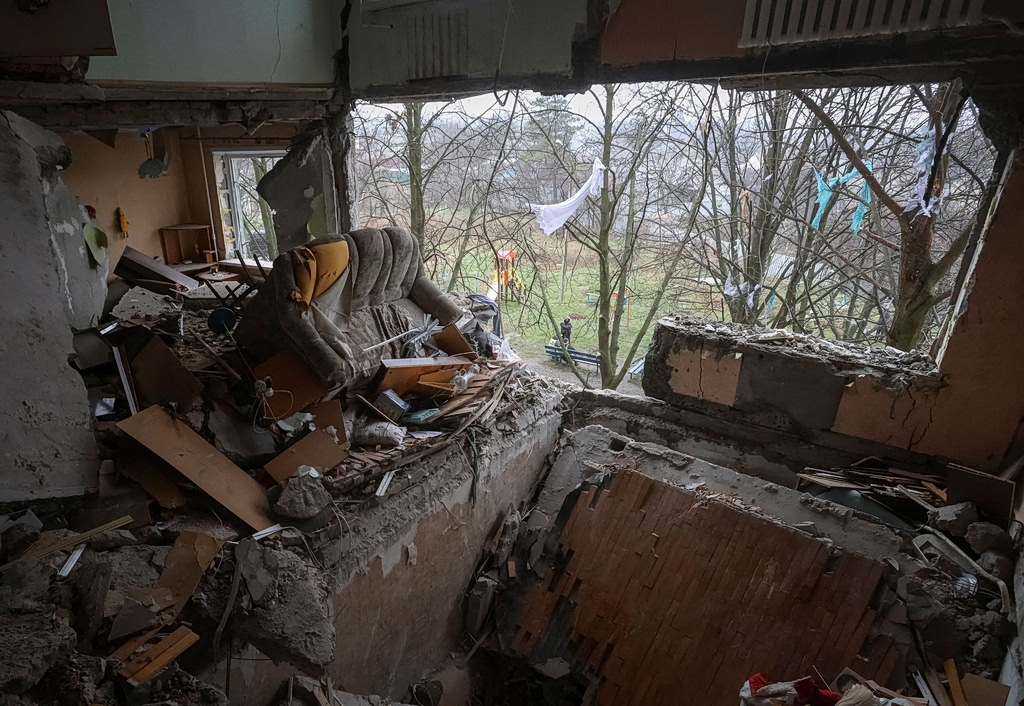
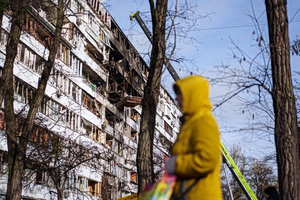
A flat in an apartment building damaged by a Russian drone strike, which happened late evening on Monday, amid Russia’s attack on Ukraine, in the city of Kramatorsk, Donetsk region, Ukraine, December 2, 2025. REUTERS/Anatolii Stepanov
European Concerns Over a Potential Deal
As reported in Reuters, the U.S. initiative has raised concerns in Europe, where leaders fear any peace deal could strengthen Russia and jeopardize the continent’s security. Analysts warn that Trump’s approach reflects “great-power logic,” potentially sidelining European interests. EU officials also fear that any territorial concessions to Moscow could embolden Russia to pursue further aggression.
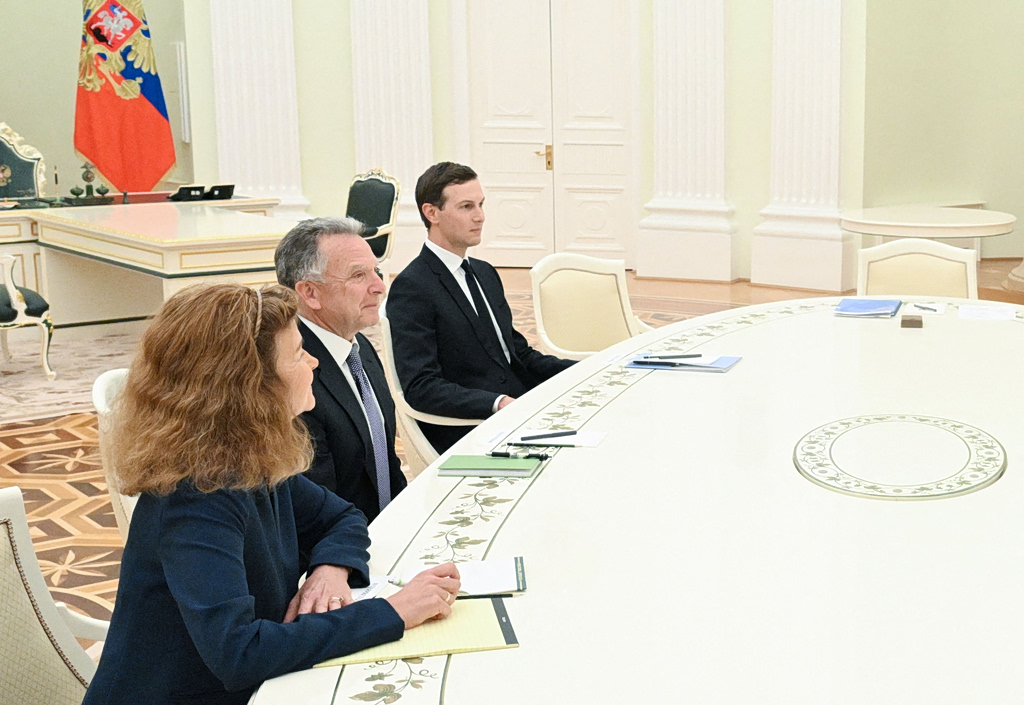
U.S. President Donald Trump’s special envoy Steve Witkoff and son-in-law Jared Kushner attend a meeting with Russian President Vladimir Putin at the Kremlin in Moscow, Russia, December 2, 2025. Sputnik/Kristina Kormilitsyna/Pool via REUTERS ATTENTION EDITORS – THIS IMAGE WAS PROVIDED BY A THIRD PARTY.
EU Plans to Use Frozen Russian Assets for Ukraine
Meanwhile, reporters told Reuters, that the European Commission is preparing a legal proposal to use frozen Russian assets to fund Ukraine, with options to combine EU borrowing and asset-based loans. EU leaders agreed in October to support Ukraine’s financial needs for the next two years but have yet to approve a full plan for using the €140 billion in immobilized Russian assets.
Europe Struggles to Influence Peace Process
European powers are struggling to assert influence over the peace process, despite having provided roughly €180 billion in aid to Ukraine since Russia’s February 2022 invasion. A “coalition of the willing” led by France and Britain has pledged a limited postwar reassurance force for Ukraine, though Russia has rejected such a plan, highlighting Europe’s reliance on U.S. leverage.
European officials warn that restoring Russia’s access to Western economic networks could allow Moscow to rebuild its military. EU foreign policy chief Kaja Kallas said, “If Russia’s army is big…they will want to use it again.” Analysts note that Europe’s limited military and diplomatic power leaves the continent largely on the sidelines of negotiations dominated by the U.S. and Russia.