More than 3,000 people were killed across Iran during the war that began on February 28, according to the country’s forensic authority, state media reported on Thursday.
Iran’s forensic chief said around 40% of the dead still require forensic identification before their remains can be returned to families, as authorities continue processing victims of the ongoing conflict.
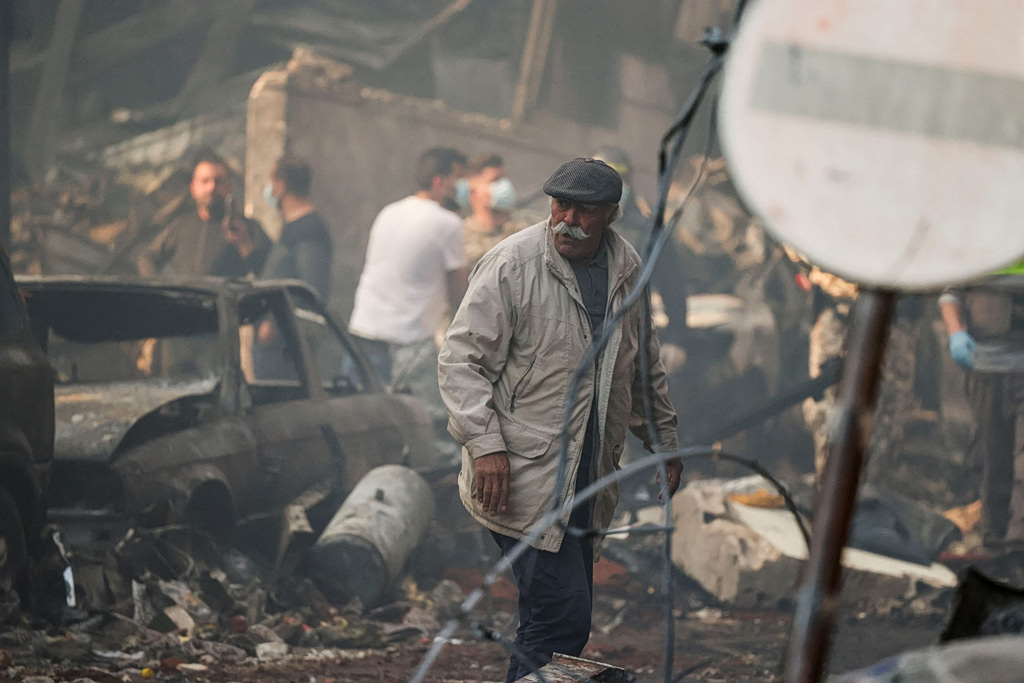
A man walks at the site of an Israeli strike, in Al-Mazraa in Beirut, Lebanon, April 8, 2026. REUTERS/Yara Nardi
War toll emerges amid wider regional escalation
The death toll comes as diplomatic efforts continue between the United States and Iran to maintain a ceasefire, following weeks of intense regional fighting that has drawn in multiple fronts across the Middle East.
The war, which began in late February, has unfolded alongside escalating violence involving Iran-aligned groups and Israel, including cross-border strikes and military operations in neighboring countries.
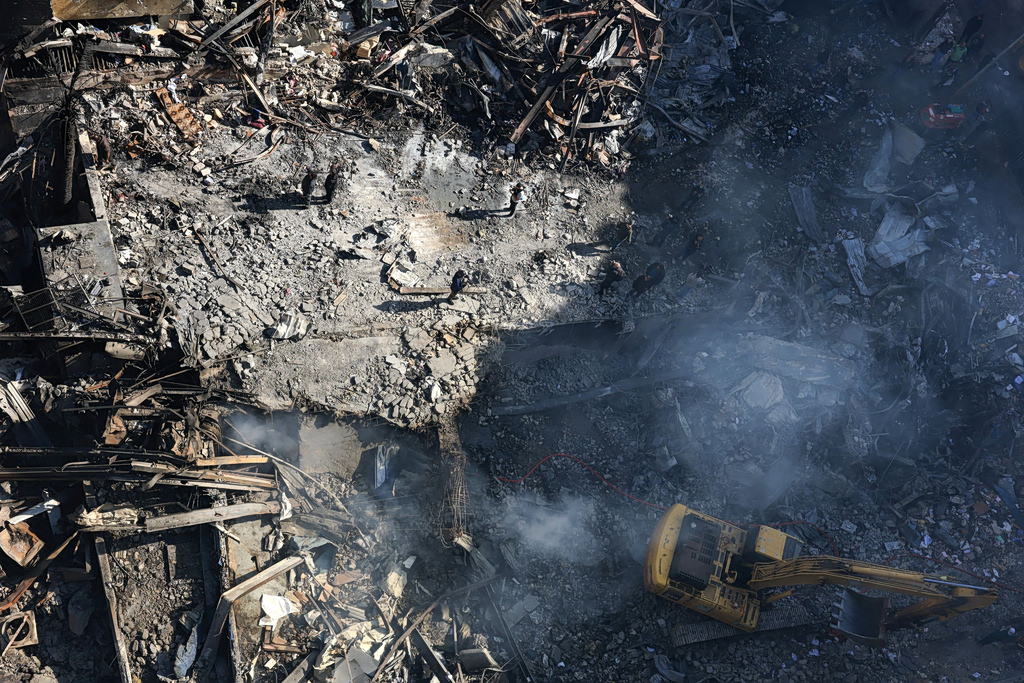
People stand as an excavator operates at the site of an Israeli strike carried out on Wednesday, in Al-Mazraa in Beirut, Lebanon, April 9, 2026. REUTERS/Raghed Waked
Israel advances “buffer zone” strategy across region
At the same time, Israel is entrenching a strategy that military and defense officials describe as a shift toward long-term, open-ended conflict management rather than short-term containment.
According to Israeli officials cited in reports, Israel is establishing “buffer zones” in Gaza, Syria and Lebanon, creating security belts beyond its borders to prevent future attacks.
Senior military figures say these zones are intended to keep Israeli border communities out of range of rocket and ground threats, reflecting a doctrine that prioritizes pre-emptive action against perceived risks.
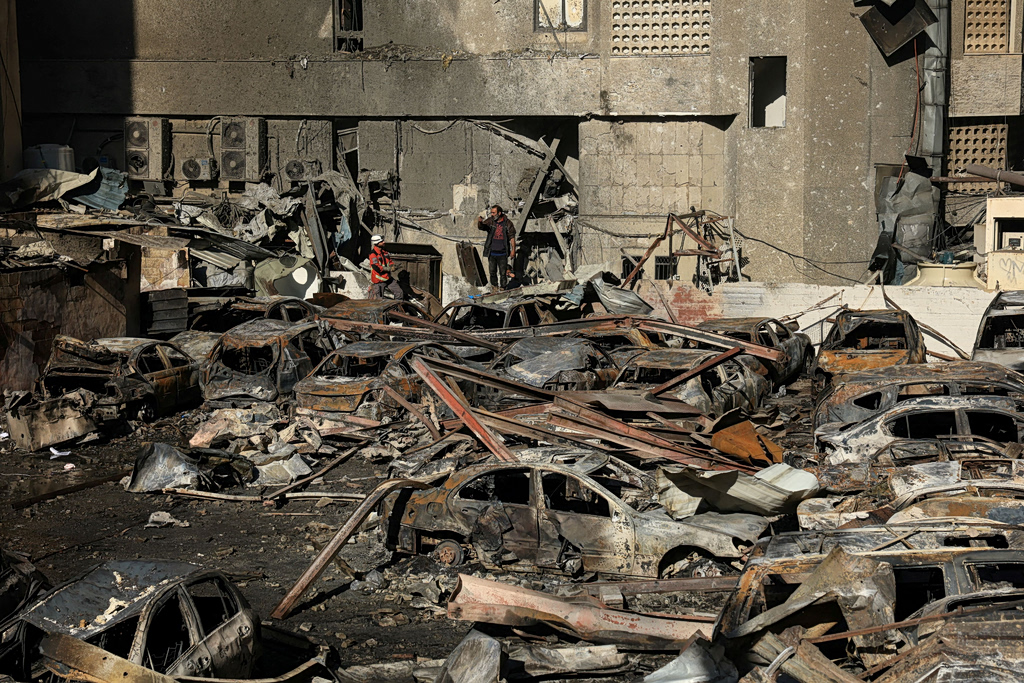
Burnt cars at the site of an Israeli strike carried out on Wednesday, in Al-Mazraa in Beirut, Lebanon, April 9, 2026. REUTERS/Raghed Waked TPX IMAGES OF THE DAY
Israeli officials also acknowledge that full elimination of adversaries such as Iran’s leadership, Hezbollah in Lebanon and Hamas in Gaza is no longer viewed as realistic, contributing to what some analysts describe as a “forever war” approach.
Regional conflict continues with shifting ceasefire dynamics
The United States and Iran agreed earlier this week to pause hostilities while broader negotiations continue, but Israel has maintained that its operations against Iranian-backed Hezbollah will continue.
Israeli forces have intensified operations in Lebanon and other neighboring areas, with military officials saying buffer zones now extend deep beyond traditional borders in multiple theatres of conflict.