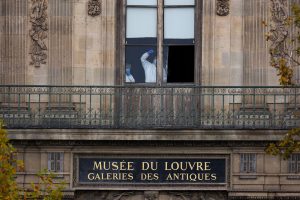
Like a real life-movie heist, reminding us of movies and series such as Ocean 8 or Money Heist, due to the speed precision and audacity of the robbery, Paris awoke on Sunday, October 19, to a shock that could have leapt straight from the pages of a thriller. In what’s already being called “the boldest robbery in decades,” a group of thieves broke into the Louvre Museum and vanished with a trove of royal jewels — treasures once worn by queens and empresses.
The robbery occurred on Sunday, October 19, 2025, between 09:30 and 09:40 local time, shortly after the Louvre Museum opened to visitors. The thieves targeted the Galerie d’Apollon, a gilded, gold-gilded gallery just 250 meters from the Mona Lisa, overlooking the River Seine.
A Robbery with Surgical Precision
As Le Parisien reports, the heist was executed with military-like precision. Four masked intruders approached the museum using a vehicle-mounted mechanical lift; two disguised themselves as construction workers in yellow vests, using renovation scaffolding to access the museum via a lift facing the Seine. Two thieves cut through a first-floor window with battery-powered disc cutters to gain entry. Alarms triggered museum staff to evacuate visitors, but the gang executed their plan with remarkable calm and precision.
In just four minutes, they smashed two glass cases — one holding Napoleon’s jewels, the other displaying the regalia of French monarchs. They cut through the displays with power tools, scooped up the priceless treasures, and fled on two scooters, leaving behind gloves, tools, and even a can of gasoline.
Attempts to set fire to their getaway vehicle were stopped by a museum employee. Culture Minister Rachida Dati described the operation as “professional” and highlighted the robbers’ apparent experience.
The Jewel That Got Away
Authorities confirmed that the famed 140-carat “Régent Diamond” — long rumored to be cursed — remains safely in the museum. But police say it’s possible the thieves had intended to take it before their getaway.
Interior Minister Laurent Nuñez called the theft “an operation planned and executed with extraordinary precision.” Footage released by BFMTV shows one of the suspects calmly sawing through a display case as alarms wail in the background. Culture Minister Rachida Dati arrived at the scene within the hour, and the Louvre was swiftly closed for security reasons.
Security Gaps
Preliminary reports reveal serious vulnerabilities: one in three rooms in the raided area lacked CCTV cameras, and a localized alarm was recently broken. A basket lift was brought unchecked to the riverfront, allowing the thieves to reach the gallery’s first floor easily.
Around 60 investigators are now studying CCTV footage and tracking the suspects, who are believed to be operating on behalf of a criminal organization. The Louvre remains closed while the investigation continues. Visitors with pre-booked tickets are being refunded, and additional security measures have been implemented around the museum’s glass pyramid entrance.
What Was Stolen
According to France’s Ministry of Culture, the list of stolen artifacts reads like a chapter from Europe’s glittering past:
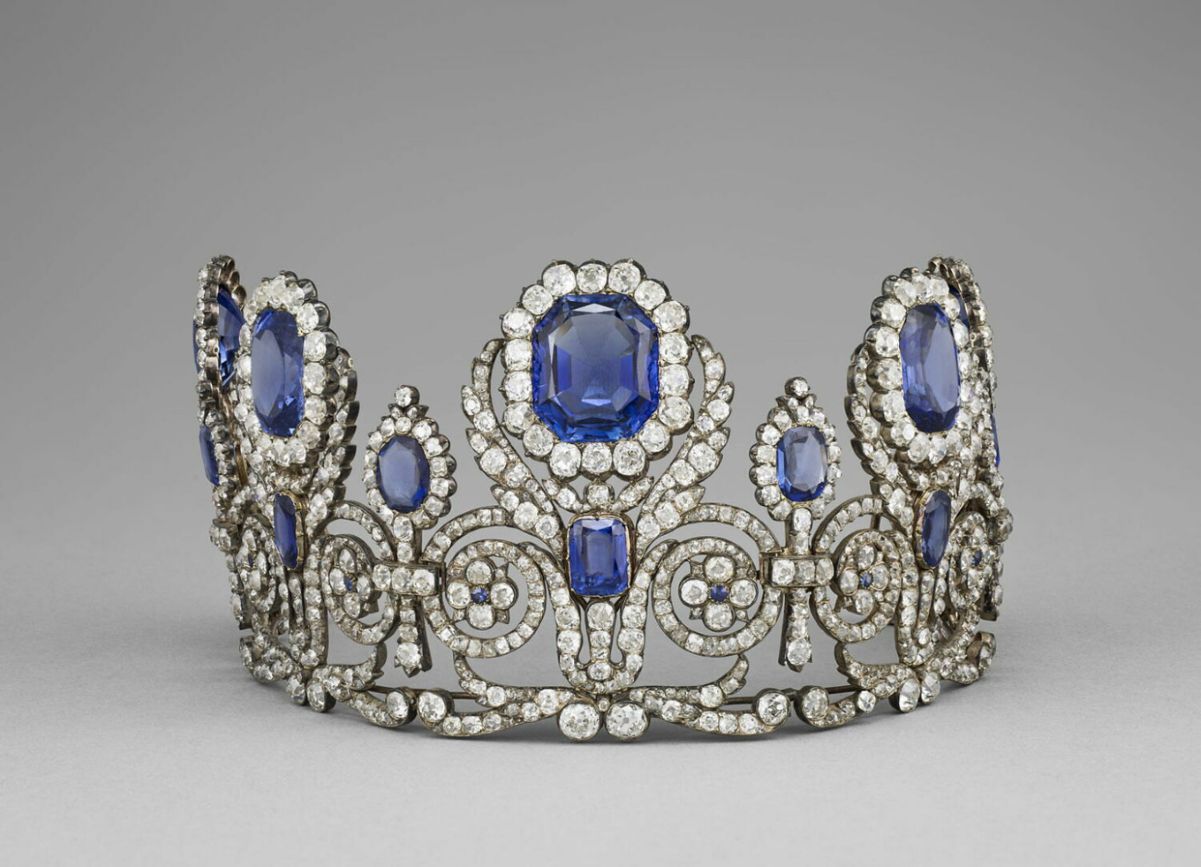
1. The tiara of Queen Maria Amalia and Queen Hortense
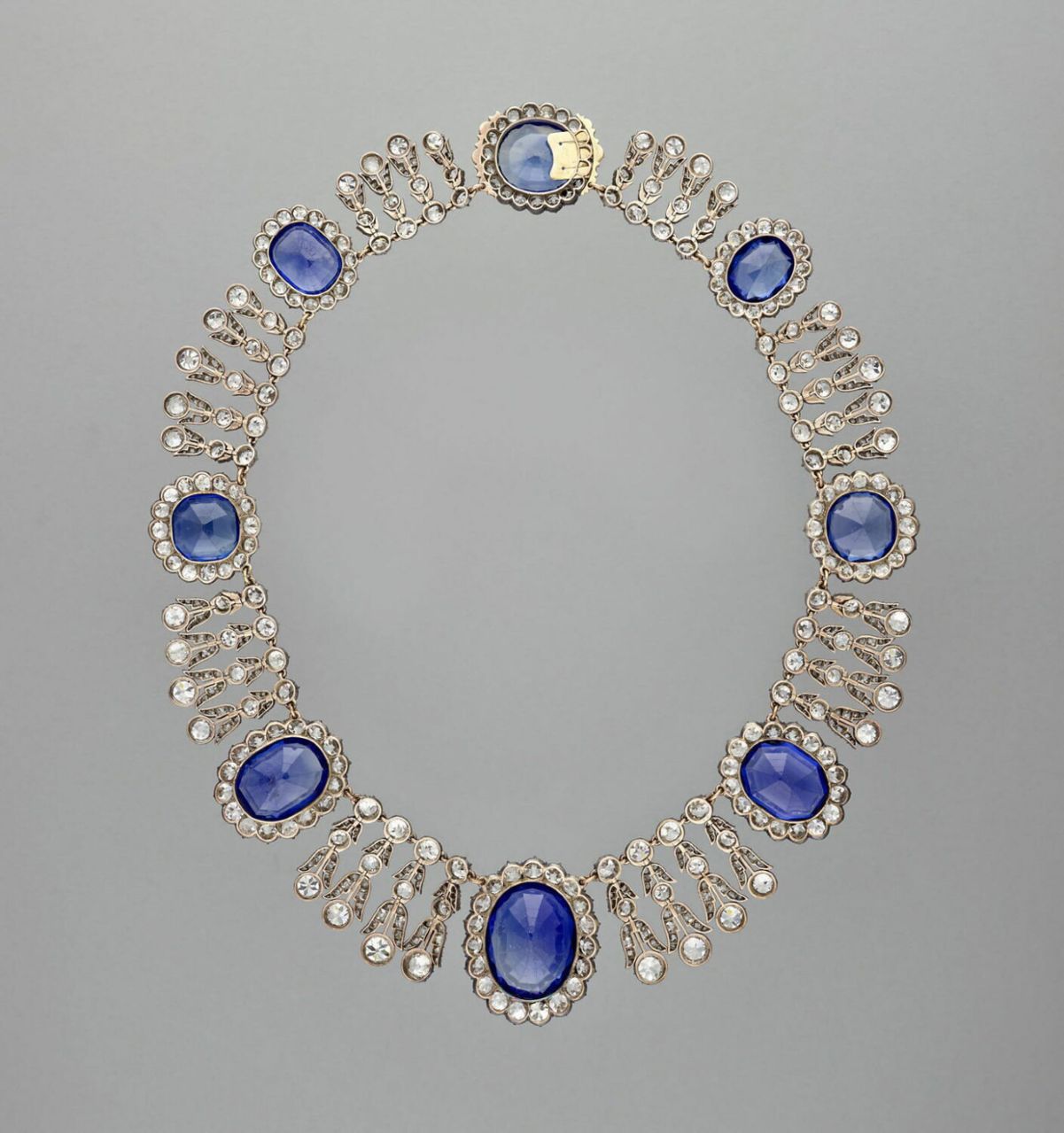
2. Their sapphire necklace
3. Matching sapphire earrings

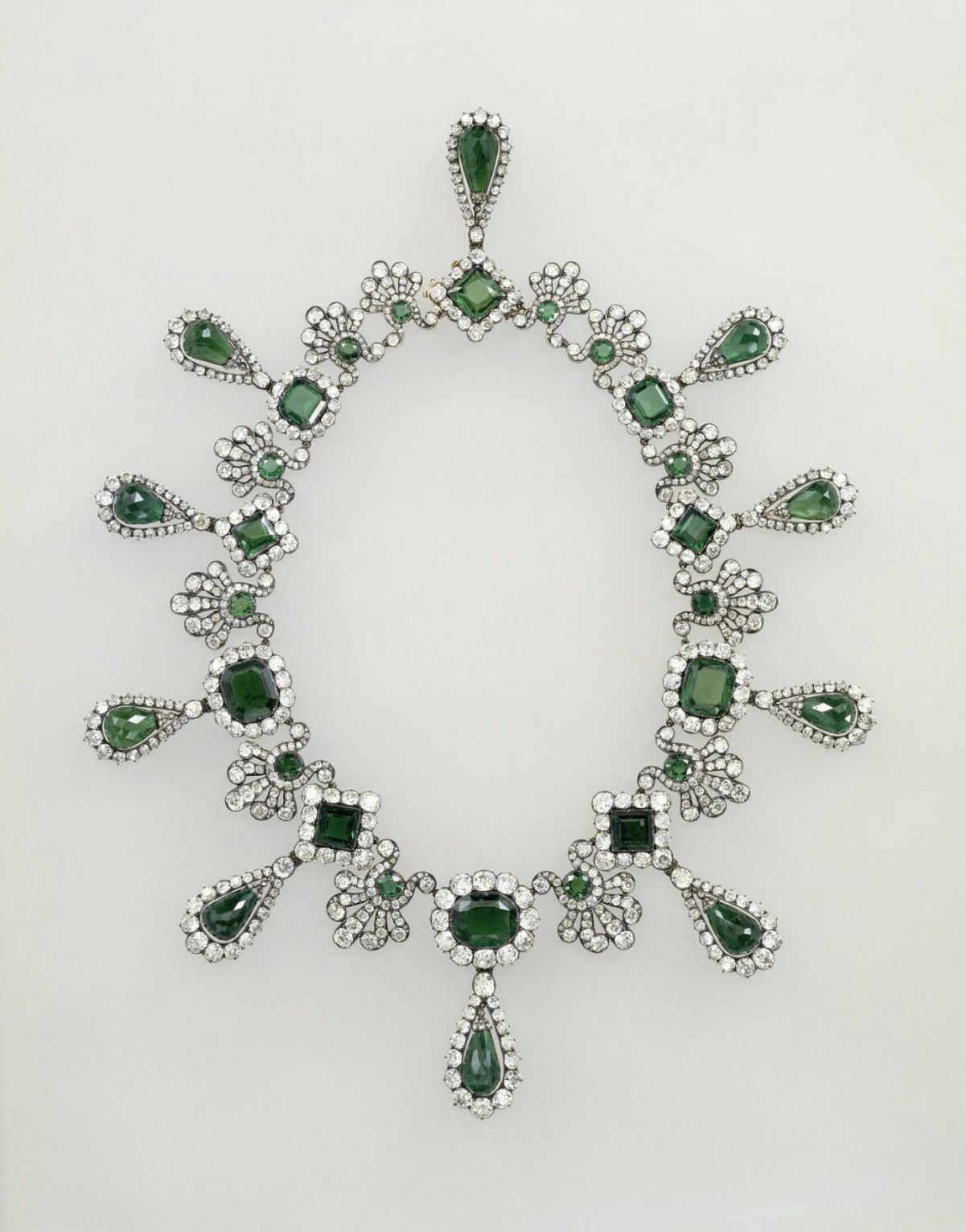
4. The emerald necklace of Empress Marie-Louise — featuring 32 emeralds and 1,138 diamonds
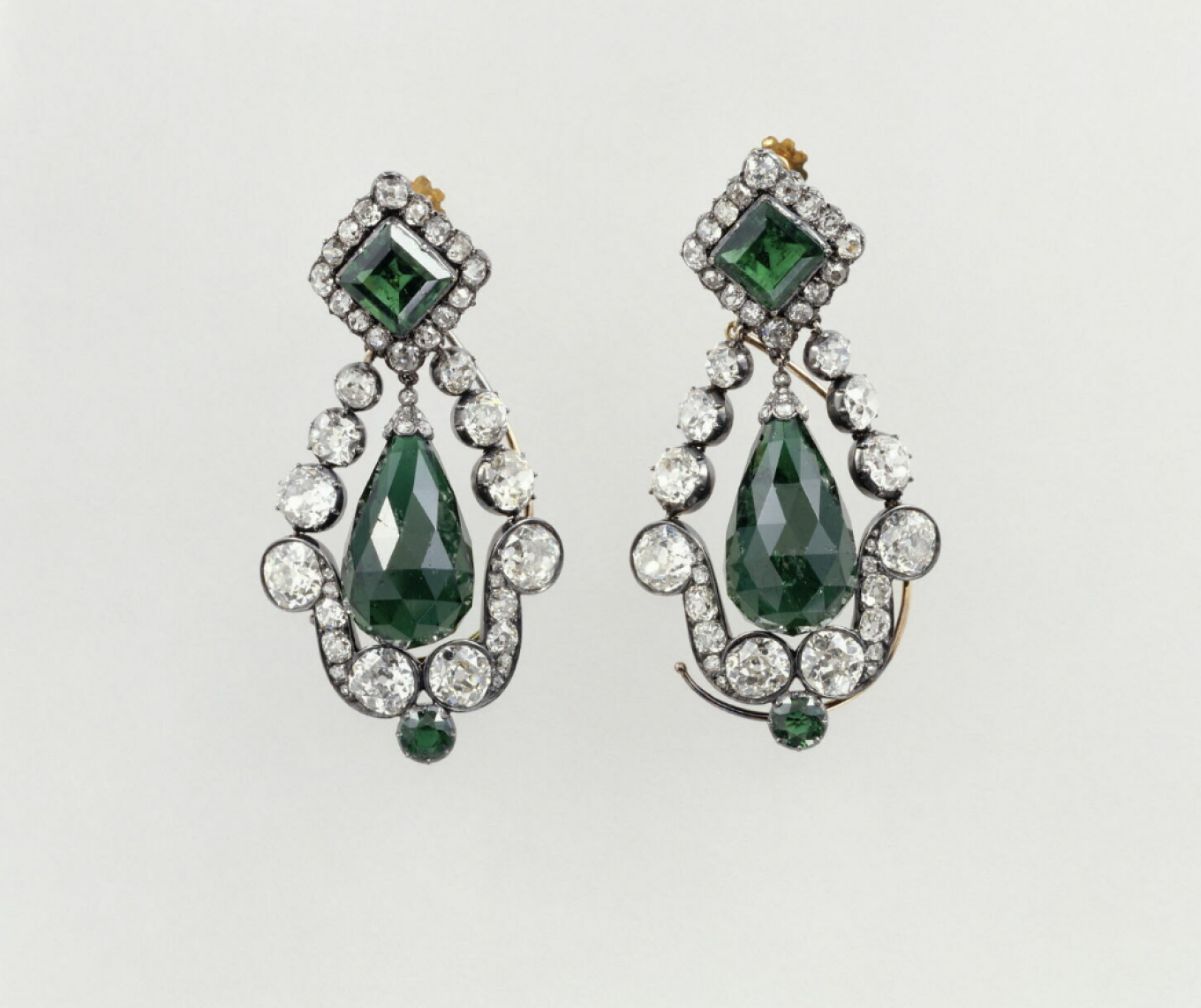
5. A pair of emerald earrings from the same set
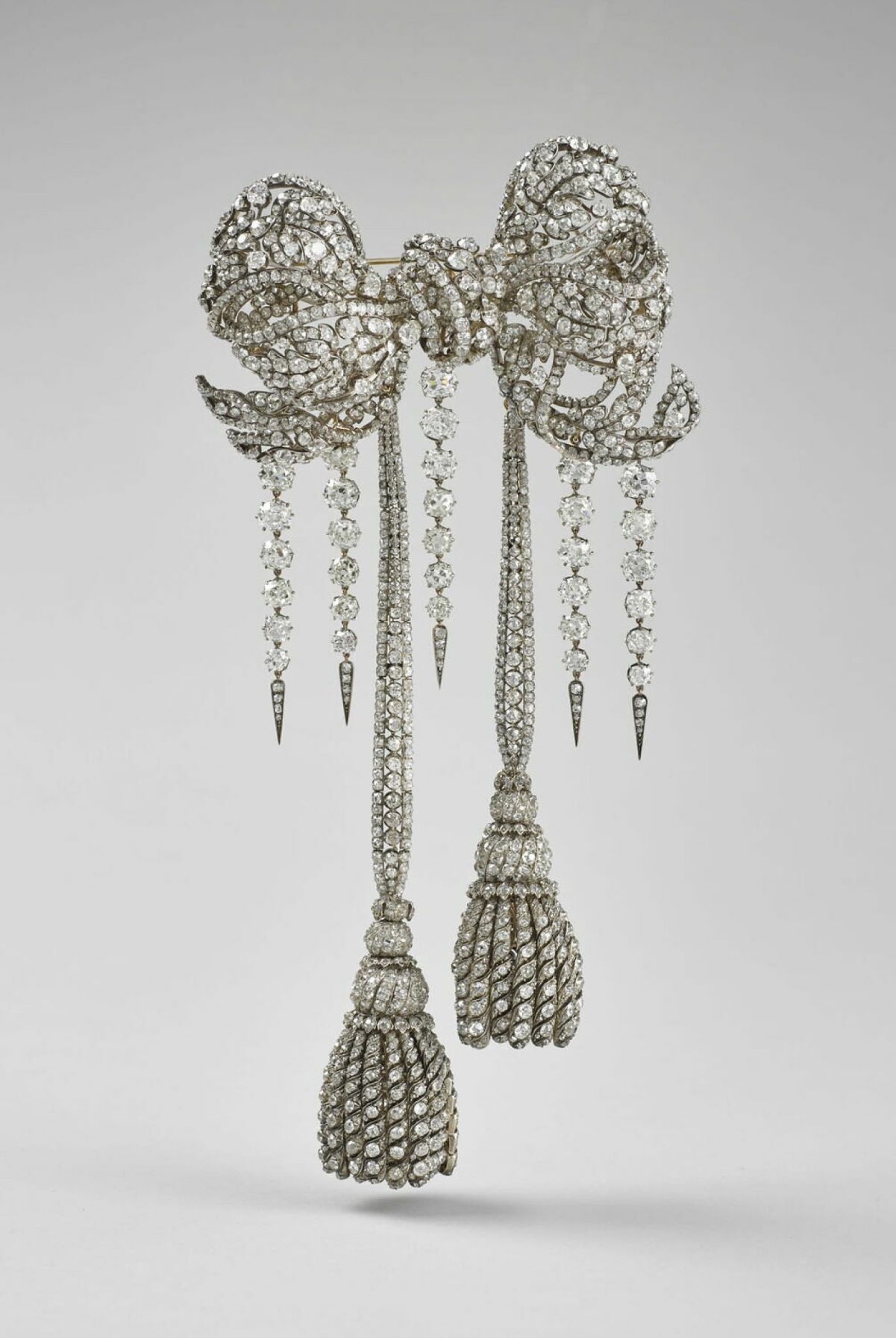
6. A diamond bow brooch sparkling with 2,634 stones, purchased by the museum in 2019 for 6.7 million euros
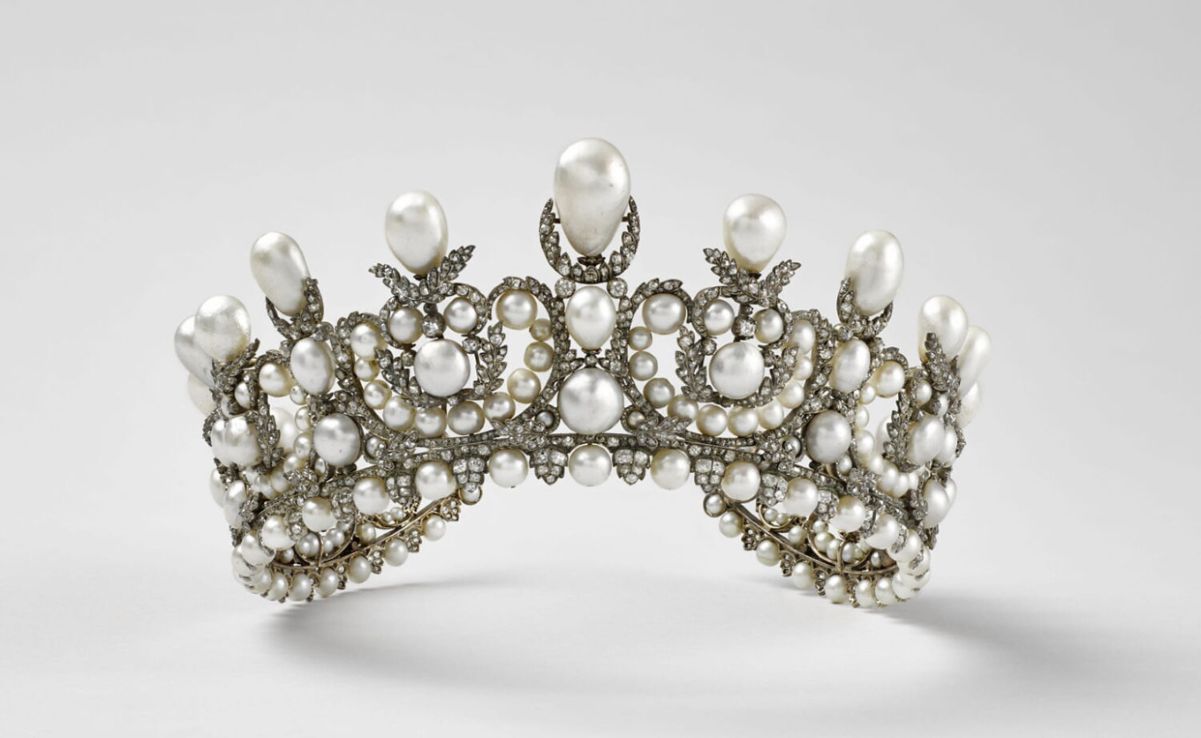
7. The tiara of Empress Eugénie, wife of Napoleon III
8. A rare reliquary brooch
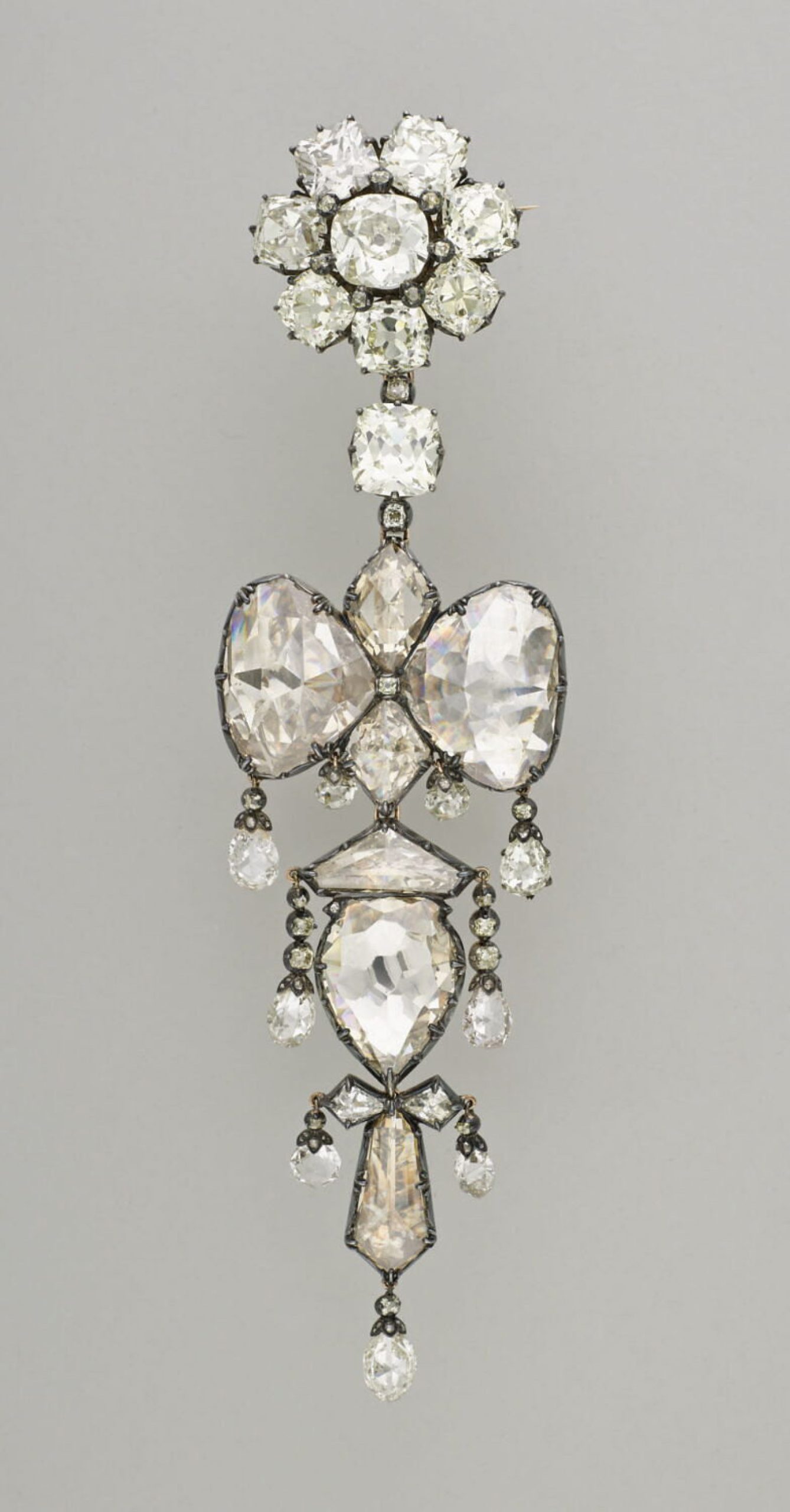
Only one item — Empress Eugénie’s crown — was later found discarded on a nearby street, slightly damaged.
A Blow to Europe’s Cultural Soul
The theft has sent ripples through the global art world. These jewels were more than exquisite ornaments — they were tangible fragments of Europe’s past, steeped in tales of power, passion, and downfall.
As investigators pore over surveillance footage and DNA traces, one haunting question lingers over Paris:
Who dared to rob the Louvre — and where are its royal treasures now?