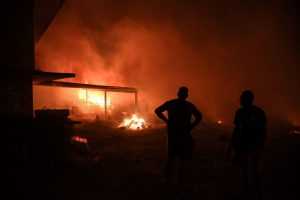
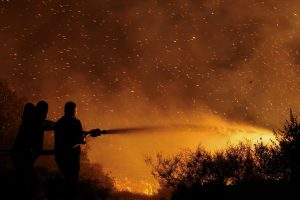
Spain is grappling with its worst wildfires in nearly three decades and one of its longest heatwaves on record. Temperatures soared up to 45°C during a 16-day stretch this summer, leaving a devastating toll: more than 3.7 million acres burned, four people dead in the fires, and over 2,200 heat-related deaths since July, according to the Instituto de Salud Carlos III.
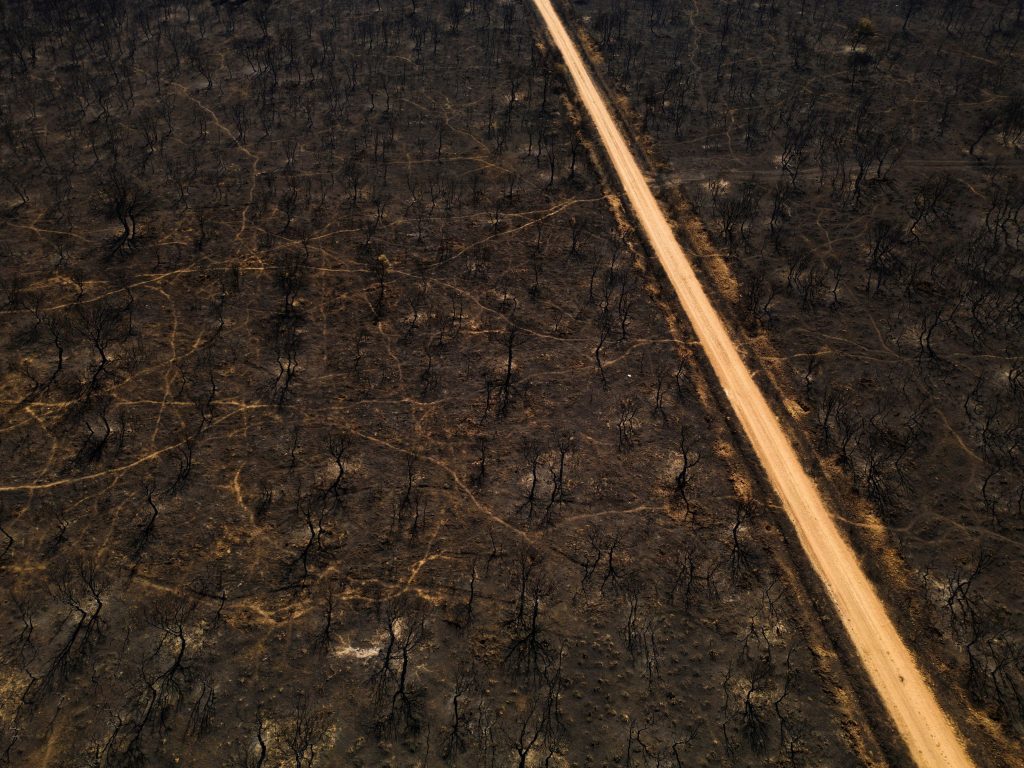
A drone view shows scorched land surrounding a road following a wildfire in Cubo de Benavente, Zamora, Spain, August 15, 2025. REUTERS/Susana Vera TPX IMAGES OF THE DAY
The crisis highlights how climate change is making Spanish summers not only unbearable but increasingly lethal. Elderly and vulnerable populations are at greatest risk, hospitals are strained, productivity drops, and wildfires intensify. The heat is also reshaping urban politics, especially in Madrid.
A recent study by Madrid’s Polytechnic University revealed stark inequalities across the capital. In Puente de Vallecas, one of the city’s poorest neighborhoods, temperatures during the heatwave were recorded up to 8°C higher than elsewhere. Even on the same street, differences emerged: one section reached 41.4°C, while just a few hundred meters away it was 38.6°C. The reason was simple—shade from rows of mulberry trees.
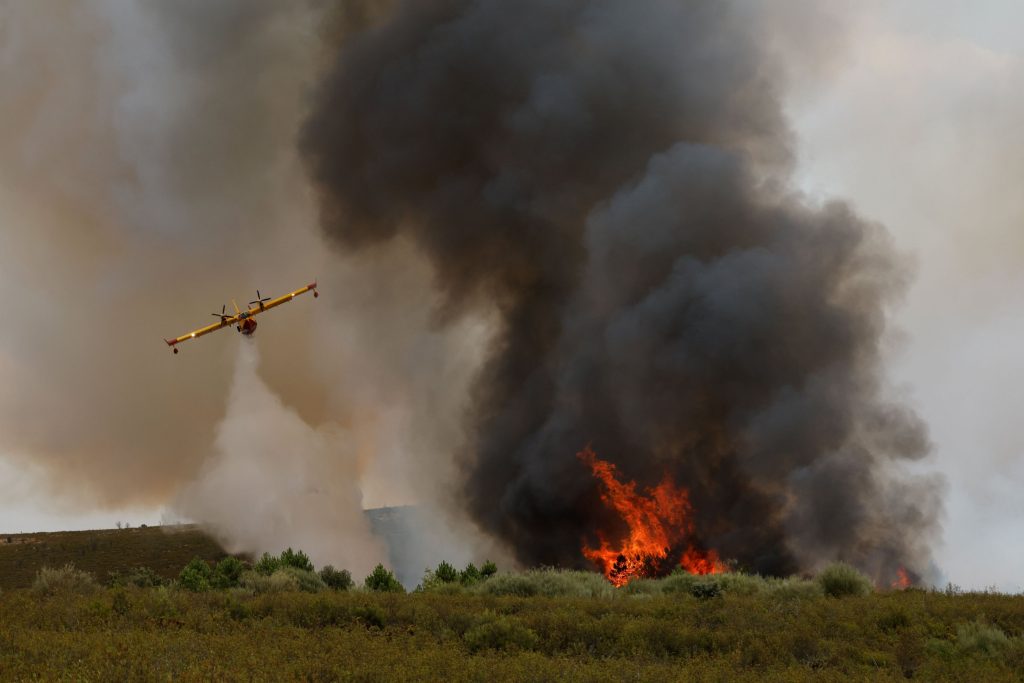
A firefighting airplane drops water over a wildfire on the outskirts of Abejera, Zamora, Spain, August 13, 2025. REUTERS/Susana Vera
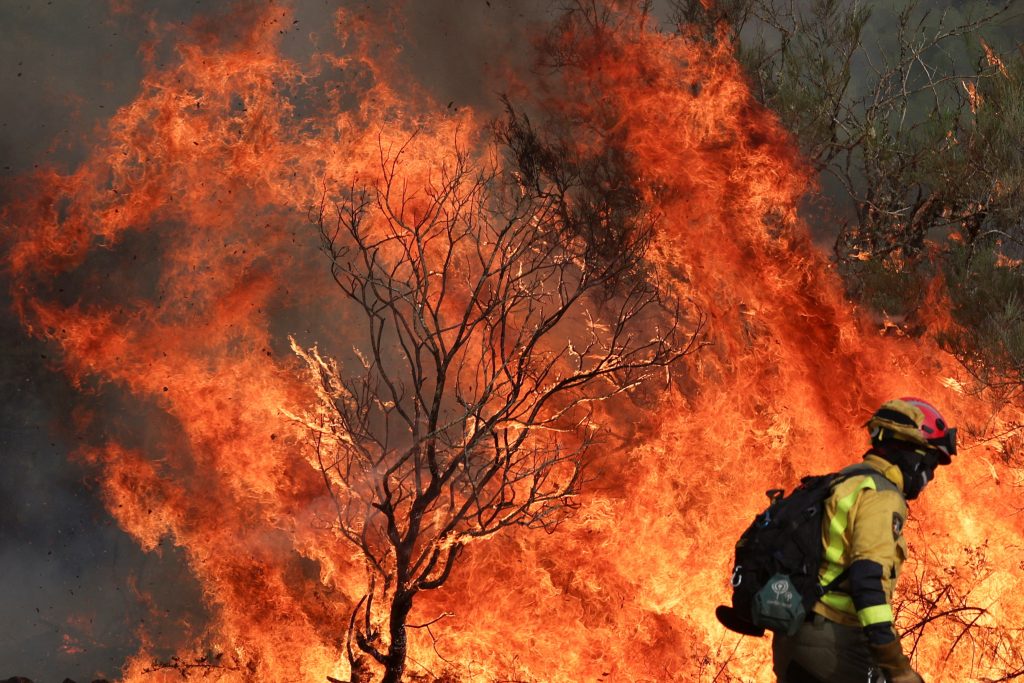
A firefighter changes position during operations to battle a wildfire in the village of Parafita, Galicia region, Spain, August 12, 2025. REUTERS/Violeta Santos Moura
Research consistently shows that trees and green spaces reduce the deadly effects of extreme heat. Yet environmental groups argue that Madrid is losing trees to urban development, especially in disadvantaged districts. Activists have increased pressure on Mayor José Luis Martínez-Almeida to plant more trees, insisting that access to shade can be a matter of life and death.
“The difference between having and not having trees on your street has a direct impact on your health,” said Manuel Mercadal from the group Sustainable Vallekas. For families unable to afford air conditioning, the presence of trees can significantly ease the heat burden.
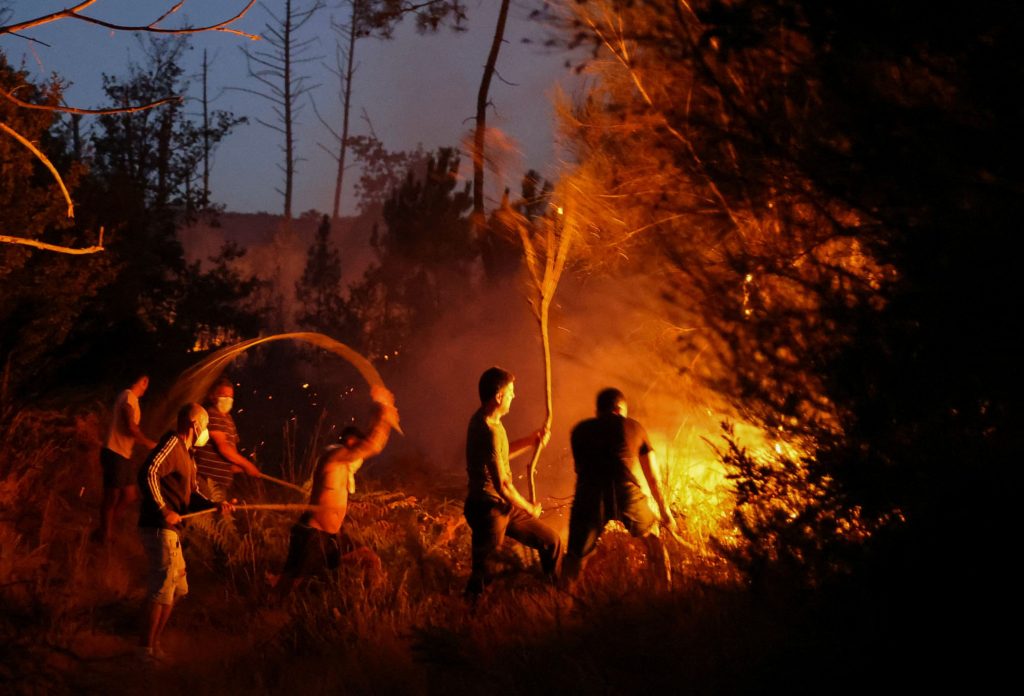
Residents use tree branches as they try to extinguish flames from a wildfire in Vilar de Condes, in the province of Ourense in Galicia, Spain, August 15, 2025. REUTERS/Nacho Doce
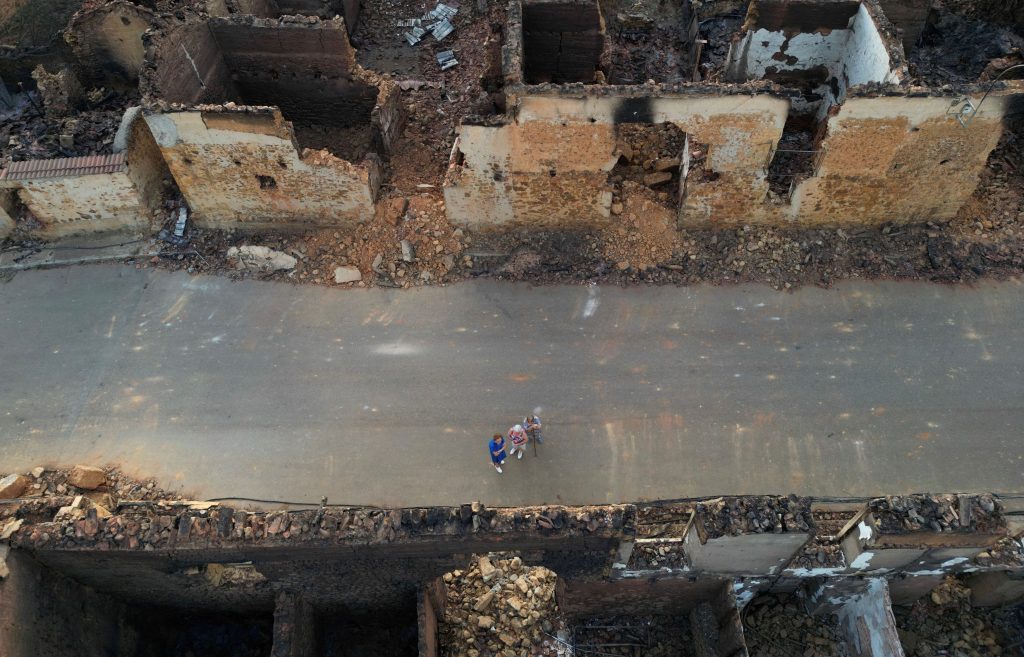
A drone view shows residents standing next to the debris of burnt-out houses after a wildfire in the village of Palacios de Jamuz, near Astorga, Spain, August 17, 2025. REUTERS/Nacho Doce
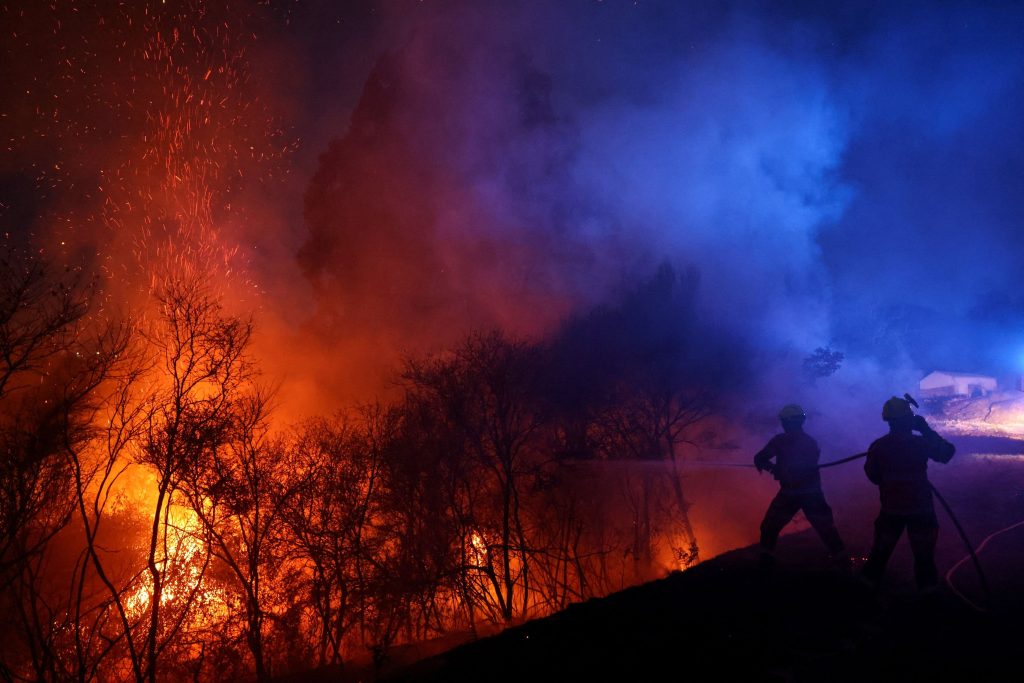
Firefighters work to extinguish a wildfire in As Fermosas, in the Ourense province, Galicia, Spain, August 16, 2025. REUTERS/Nacho Doce TPX IMAGES OF THE DAY
Since taking office in 2019, Mayor Almeida has faced growing clashes with environmental activists and the left-wing opposition. Official figures show the total number of trees in Madrid has risen by 2.4% during his term, but this growth has largely benefited middle-income neighborhoods in the east. Meanwhile, areas such as Puente de Vallecas have lost 3% of their green cover in just six years, partly due to a 2021 snowstorm that destroyed 80,000 trees and construction projects like the planned metro line expansion, which will cut down an estimated 1,000 more.
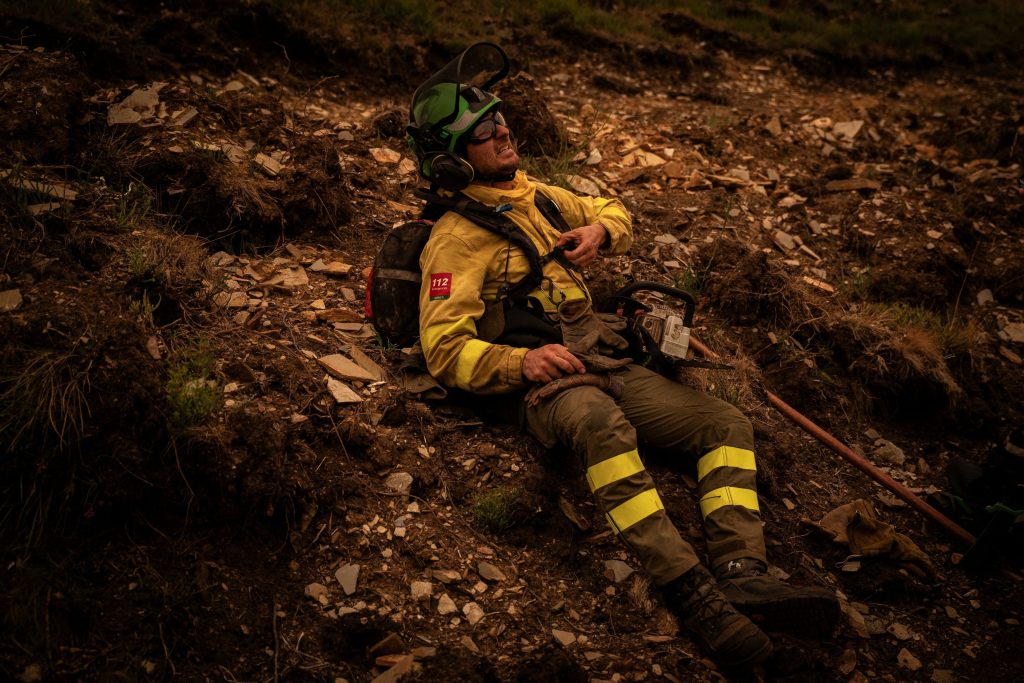
Firefighter Angel Rubio removes his gear after carrying out firefighting operations in the village of Vilarmel, Lugo area, Galicia region, Spain, August 16, 2025. REUTERS/Mikel Konate TPX IMAGES OF THE DAY
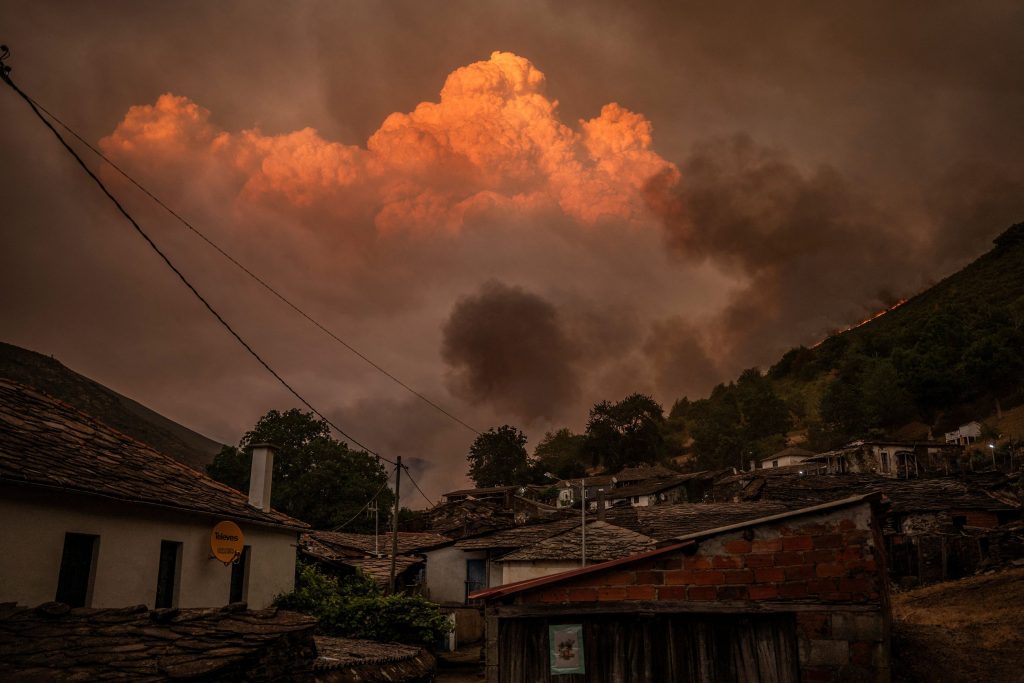
A pyrocumulus cloud forms as smoke rises from a wildfire behind the village of Vilarmel, Lugo area, Galicia region, Spain, August 16, 2025. REUTERS/Mikel Konate
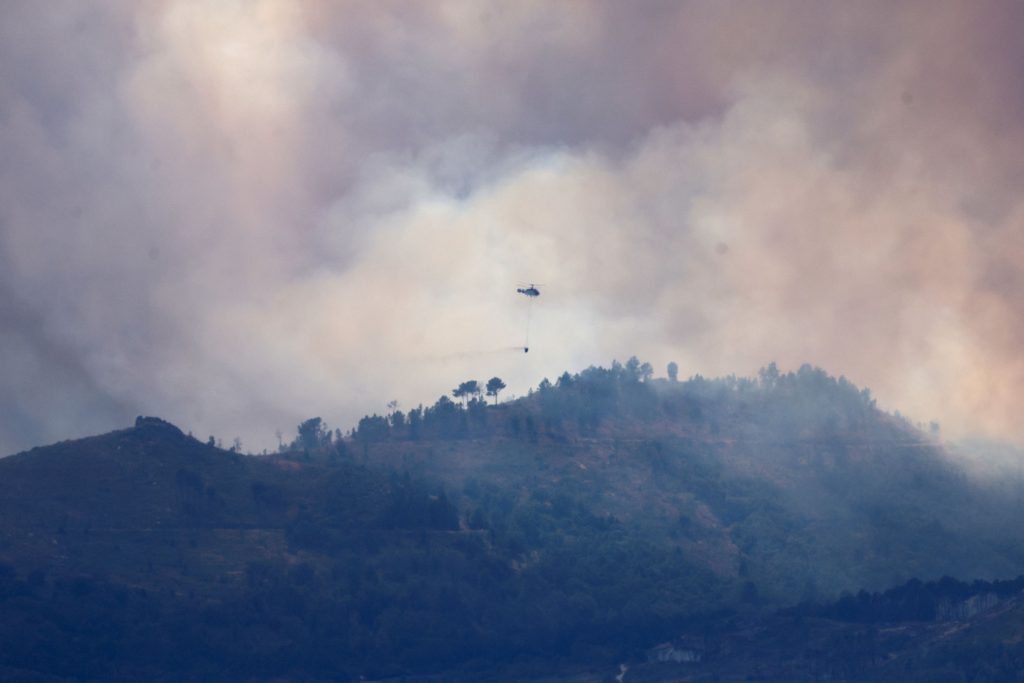
Smoke rises as a helicopter flies to combat a wildfire in the mountains of Oimbra, near Verin, in the province of Ourense, Galicia region, in Spain, August 19, 2025. REUTERS/Nacho Doce
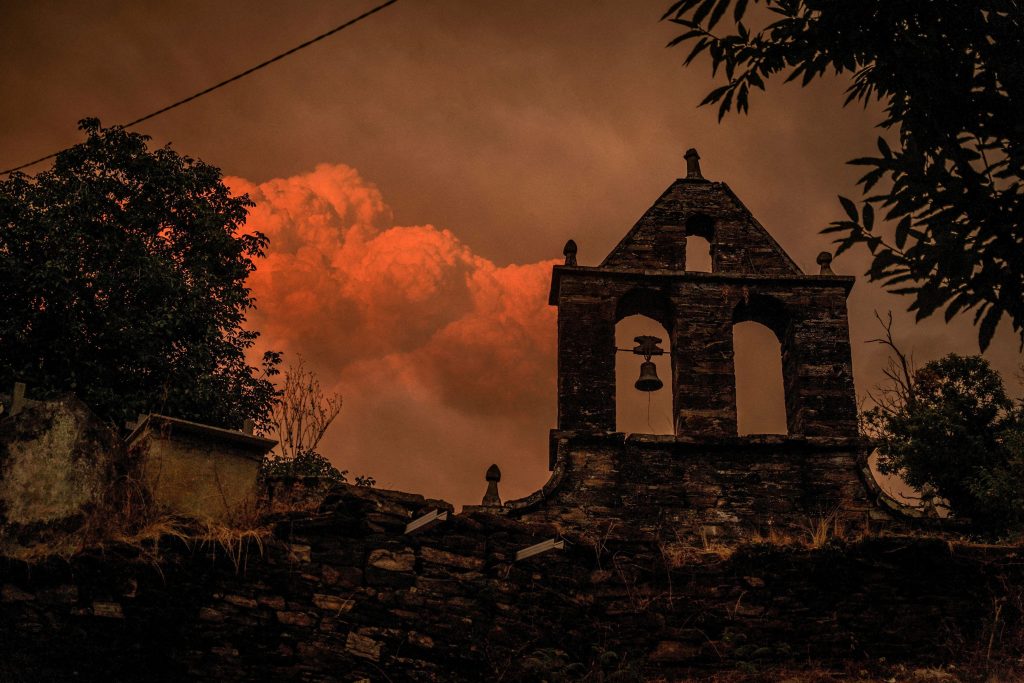
A pyrocumulus cloud forms as smoke rises from a wildfire as seen from a cemetery in the village of Vilarmel, Lugo area, Galicia region, Spain, August 16, 2025. REUTERS/Mikel Konate TPX IMAGES OF THE DAY
City officials argue they have increased the budget for maintaining and improving green spaces by 40%. Still, the debate rages on over when—and where—new trees will be planted. In a city where temperatures rise year after year, Madrid’s “war of the trees” has become a battle over survival, equity, and the future of urban life.