U.S. President Donald Trump has urged allies to help secure the Strait of Hormuz, calling for a coalition of countries to protect shipping through the vital energy corridor amid the ongoing U.S.-Israeli war with Iran.
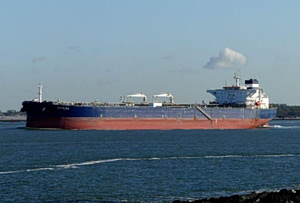
Speaking aboard Air Force One on Sunday, Trump said nations that rely heavily on oil from the Gulf have a responsibility to help safeguard the route, through which around 20% of the world’s energy supply passes.
“I’m demanding that these countries come in and protect their own territory because it is their territory,” Trump told reporters. “It’s the place from which they get their energy.”
The U.S. administration has already contacted seven countries about joining the effort, though Trump did not identify them. In a social media post over the weekend, he said he hoped China, France, Japan, South Korea and Britain would participate.
Japan and Australia Decline Naval Deployment
Despite the appeal, key U.S. allies have indicated they will not send naval vessels to escort ships through the waterway.
Japanese Prime Minister Sanae Takaichi said Japan has no plans to dispatch escort ships to the Middle East, noting that the country’s war-renouncing constitution restricts such deployments.
“We have not made any decisions whatsoever about dispatching escort ships,” Takaichi told parliament, adding that Tokyo is still reviewing what actions could be taken within its legal framework.
Australia also signaled it would not take part. Cabinet minister Catherine King said Canberra had not been asked and would not send naval vessels to help reopen the strait.
“We know how incredibly important that is, but that’s not something that we’ve been asked or that we’re contributing to,” she told the Australian Broadcasting Corporation.
Pressure on China and European Allies
Trump has also pressed China to assist in reopening the strait before his planned meeting with Chinese President Xi Jinping in Beijing later this month.
He told the Financial Times that he expects Beijing to help, noting China receives a large share of its oil imports through the route. Trump suggested he might postpone the visit if China does not support efforts to unblock the strait.
The U.S. president has similarly warned European allies that NATO could face a “very bad” future if members fail to support Washington’s efforts to protect the waterway.
British Prime Minister Keir Starmer discussed the need to reopen the strait with Trump and Canadian Prime Minister Mark Carney, according to a Downing Street spokesperson. Meanwhile, South Korea said it would carefully review the request.
European Union foreign ministers are expected to discuss strengthening a small naval mission in the Middle East, though diplomats say they are unlikely to decide on extending its role to the Strait of Hormuz.
Energy Markets and Security Risks
The conflict has entered its third week, causing turmoil across the Middle East and shaking global energy markets. Brent crude rose more than 1% to above $104.50 as markets opened in Asia following Trump’s comments.
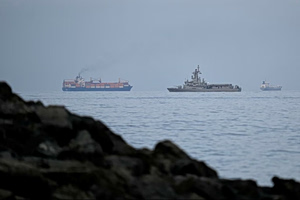
Although some Iranian vessels and a limited number of other ships have continued to pass through the strait, the passage has been effectively closed for most of the world’s tanker traffic since the United States and Israel began strikes against Iran on February 28.
Drone Attacks Add to Regional Tensions
Security threats across the Gulf have continued despite U.S. claims that Iranian military capabilities have been severely damaged.
Authorities in Dubai temporarily suspended flights at the city’s major international airport after a drone attack struck a fuel tank and caused a fire that was later contained.
In Saudi Arabia, air defenses intercepted 34 drones in the eastern region within one hour, according to state media. No injuries were reported.
Iran Says It Will Continue Defending Itself
U.S. officials have predicted the war could end within weeks and that energy prices would fall afterward. However, Iran has rejected suggestions that it is seeking negotiations.
Iranian Foreign Minister Abbas Araqchi said Tehran remains prepared to defend itself for as long as necessary.