Israel has agreed to allow a team of 80 Turkish rescue workers into Gaza to assist in recovery operations according to reporting from the Financial Times. The move signals an unusual moment of coordination between two governments long at odds.
The deployment, confirmed by officials briefed on the matter, is part of the U.S.-backed ceasefire deal that took effect last week. Turkey’s Disaster and Emergency Management Authority will send specialists experienced in earthquake response to locate the remains of hostages, remove debris and help establish temporary shelters for Gaza’s roughly two million residents.
An Israeli official confirmed Turkey’s participation, saying that “contacts are taking place and coordination is being carried out between Israel and the mediators and the Red Cross.” The Turkish team is expected to travel first to Egypt and then into Gaza once final orders are issued by Ankara.
The operation will form part of a multinational task force that includes the United States, Israel, Egypt, Qatar and the International Committee of the Red Cross, working to recover the bodies of 19 deceased Israeli and foreign hostages still unaccounted for. The task force, led by Israeli brigadier Gal Hirsh, may also bring in specialized heavy equipment if required.
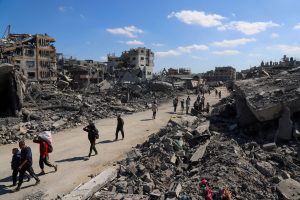
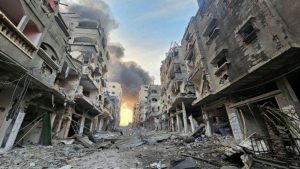
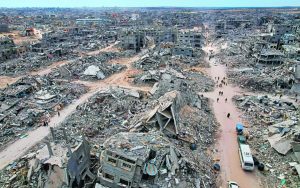
A senior U.S. adviser described Gaza as a landscape of devastation, noting that “the entire Gaza Strip has been pulverized” and that the level of debris is “multiple times more” than at New York’s World Trade Center after the September 11 attacks. Much of that debris, officials said, contains unexploded ordnance that complicates recovery efforts.
Turkey’s participation — approved by Israel despite years of tense relations between President Recep Tayyip Erdoğan and Prime Minister Benjamin Netanyahu — marks a cautious step toward cooperation in a region struggling to stabilize under the fragile truce.