The United States is scheduled to officially withdraw from the World Health Organization (WHO) on Thursday, in a move that has sparked warnings about the impact on both U.S. and global health systems. The departure also highlights a legal dispute, as Washington owes the WHO $260 million in unpaid fees for 2024 and 2025.
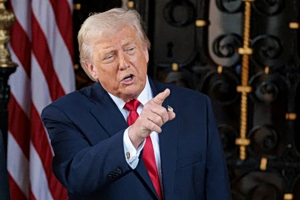
President Donald Trump first announced the decision to leave the organization on the first day of his presidency in 2025 via executive order. U.S. law requires a one-year notice and the settlement of outstanding dues before withdrawal, obligations that remain unfulfilled.
A U.S. State Department spokesperson defended the move, saying the WHO’s failure to manage and share health information had cost the U.S. trillions of dollars. “The American people have paid more than enough to this organization and this economic hit is beyond a down payment on any financial obligations to the organization,” the spokesperson said.
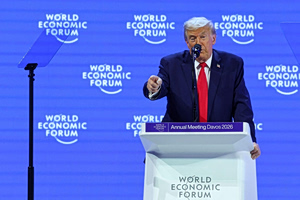
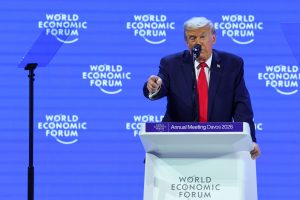
WHO Director-General Tedros Adhanom Ghebreyesus urged Washington to reconsider, saying the withdrawal is “a loss for the United States, and it’s a loss for the rest of the world.” Bill Gates, chair of the Gates Foundation, which funds global health initiatives including WHO projects, echoed the warning. Speaking in Davos, Gates said he did not expect the U.S. to return in the near term, stressing the critical role of the agency in global health security.
The U.S. exit has already created a budget crisis for the WHO. With Washington historically contributing around 18% of its overall funding, the organization has cut its management team in half, scaled back programs, and plans to reduce staff by roughly a quarter by mid-2026. Global health experts warn that these cuts could weaken systems designed to detect, prevent, and respond to international health threats.
“The U.S. withdrawal from WHO could weaken the systems and collaborations the world relies on to detect, prevent, and respond to health threats,” said Kelly Henning, public health program lead at Bloomberg Philanthropies.
The WHO’s executive board is scheduled to discuss the U.S. departure in February, including how to manage the loss of funding and ongoing cooperation. While the agency has continued collaboration with the U.S. over the past year, the long-term effects of the withdrawal remain uncertain, raising concerns about the world’s preparedness for future health emergencies.