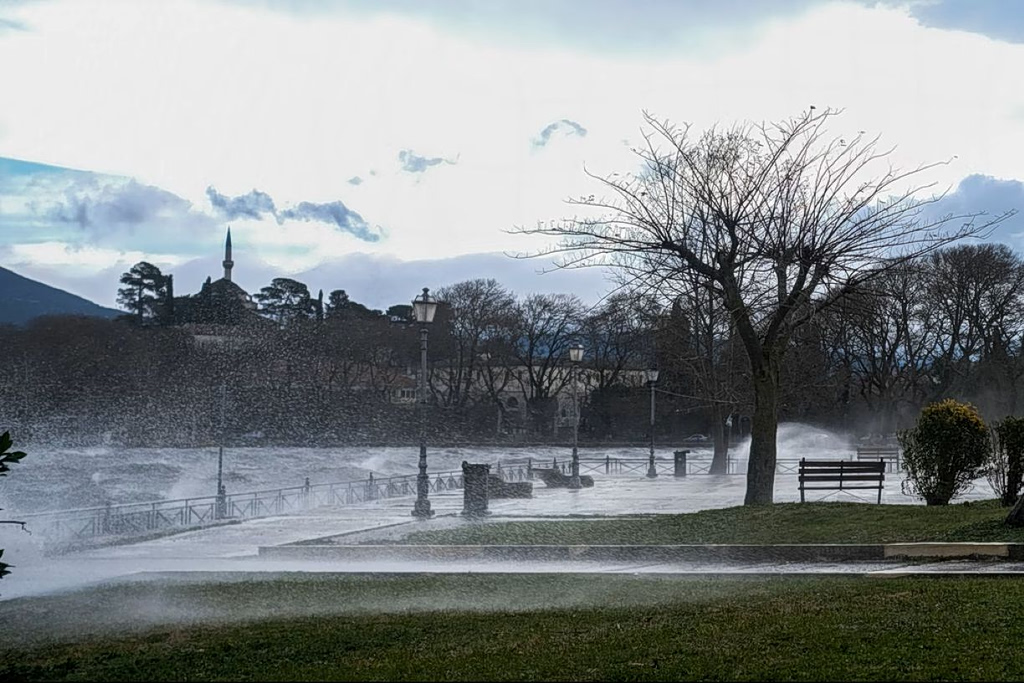
A sweeping winter storm across the United States has disrupted travel, knocked out power, and sent temperatures plunging to historic lows—yet it did not stop Minnesotans from taking to the streets to protest federal immigration enforcement.
More than 9,000 flights were canceled over the weekend as the storm, stretching from New Mexico to New England, brought heavy snow, sleet, and ice. Approximately 140 million people were under winter storm warnings, and forecasters warned that the damage, particularly from ice accumulation, could rival that of a hurricane.
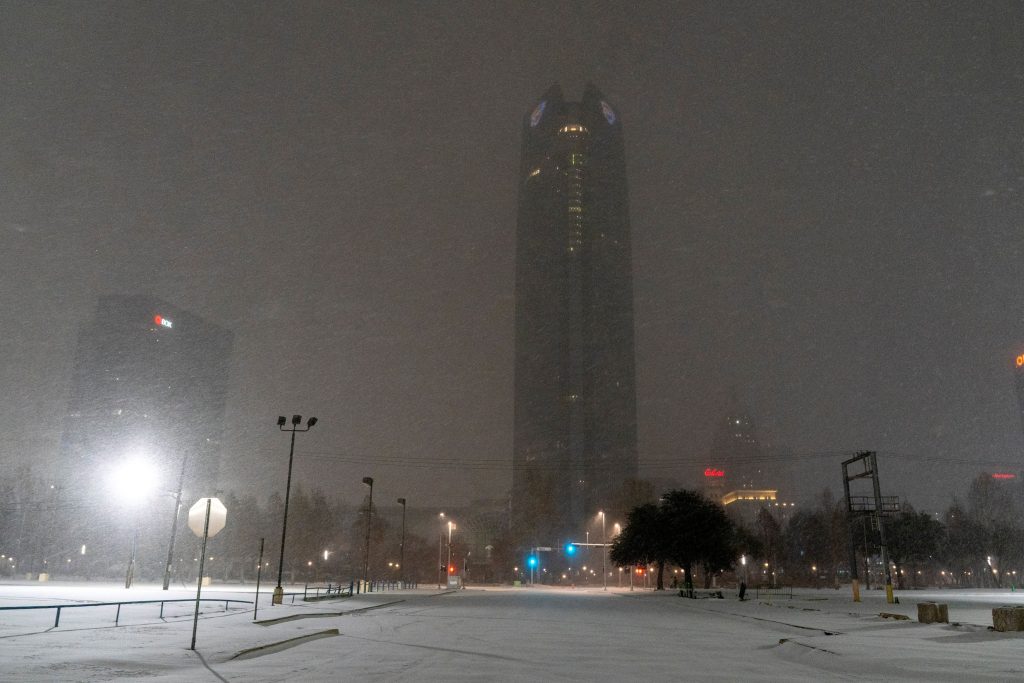
Snow falls over downtown as Winter Storm Fern arrives in Oklahoma City, Oklahoma, U.S. January 23, 2026. REUTERS/Nick Oxford
In northern Texas and Oklahoma, ice-coated roads and power lines caused tens of thousands of outages, with 27,600 reported in Texas alone early Saturday. Authorities in affected states urged residents to stay home if possible, while utility companies prepared for long-lasting disruptions, as falling ice and branches continued to threaten power lines.
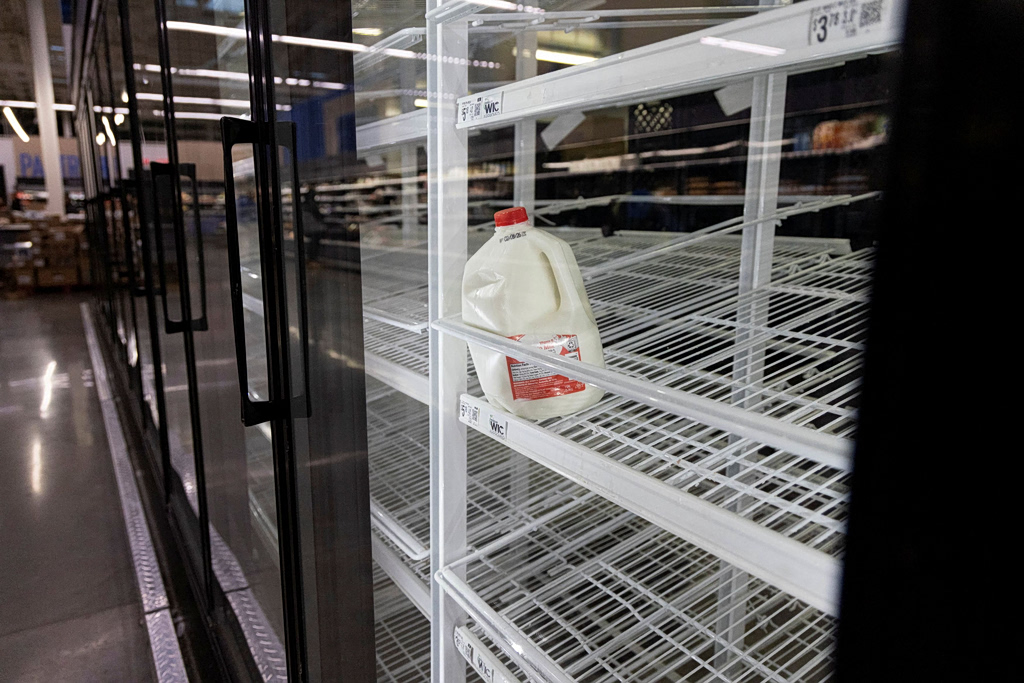
A milk container lies in a nearly empty refrigerated case as food supplies thin while residents prepare for an approaching winter storm in St. Louis, Missouri, U.S., January 23, 2026. REUTERS/Lawrence Bryant
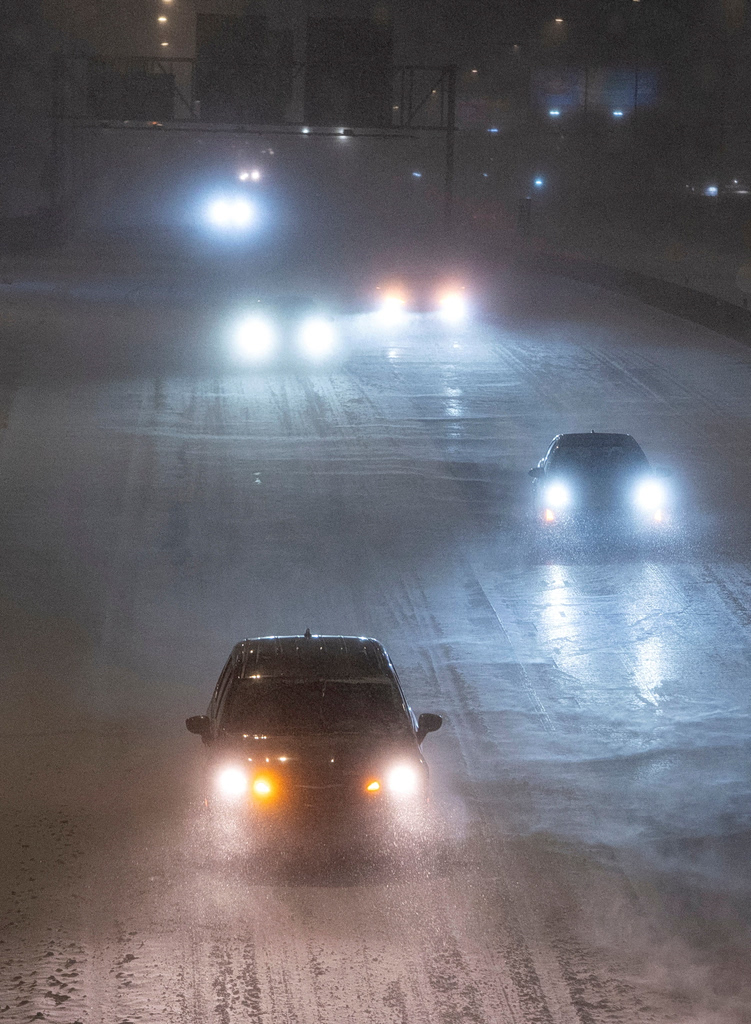
Drivers navigate through snow on I-44 as Winter Storm Fern arrives in Oklahoma City, Oklahoma, U.S., January 23, 2026. REUTERS/Nick Oxford
The federal government deployed nearly 30 search-and-rescue teams, 7 million meals, 600,000 blankets, and 300 generators across the storm’s projected path.
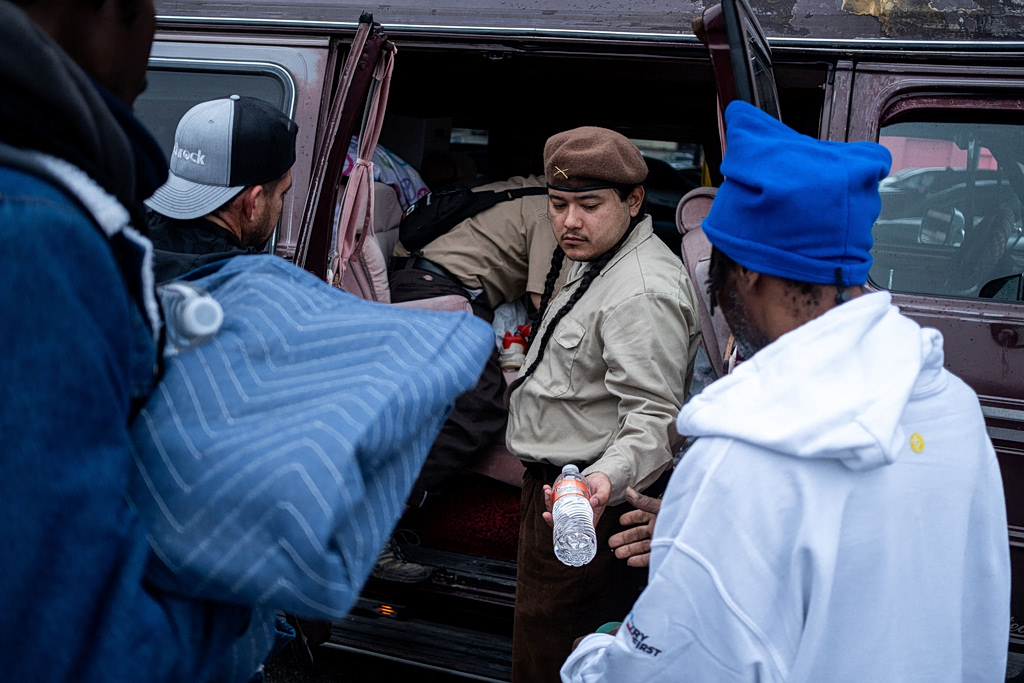
Austin Brown Beret John Robert Cervantes distributes winter clothes to homeless residents ahead of a winter storm expected to hit, in Austin, Texas, U.S., January 23, 2026. REUTERS/Joel Angel Juarez
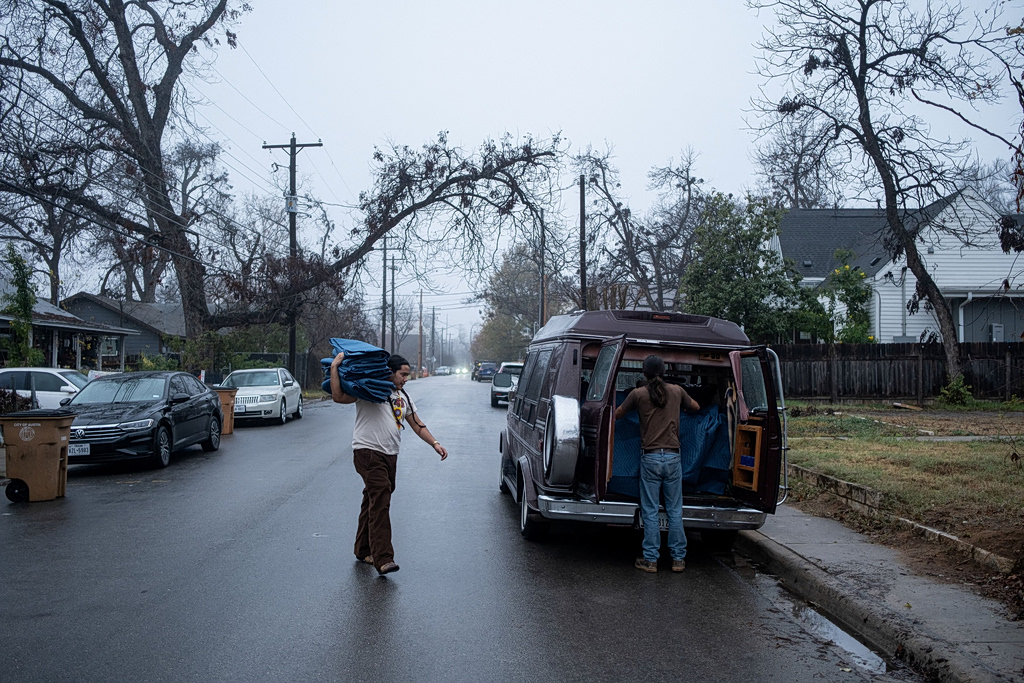
Austin Brown Berets John Robert Cervantes and Benjamin Ramirez collect blankets and winter clothes for distribution to homeless residents ahead of a winter storm expected to hit, in Austin, Texas, U.S., January 23, 2026. REUTERS/Joel Angel Juarez
The Northeast was also bracing for heavy snow, with forecasts of up to 30 centimeters (about a foot) from Washington, D.C., to Boston, and temperatures plummeting to minus 34°C (minus 29°F) in upstate New York.
Protesters March Despite Record Lows
In Minneapolis, temperatures reached minus 29°F (minus 34°C), yet demonstrators marched through the city demanding that President Trump’s ICE agents withdraw from Minnesota. Organizers estimated 50,000 people participated in the day-long “ICE OUT!” protests, making it one of the largest displays of civil disobedience in the state in recent years.
Protesters gathered later at the Target Center, a sports arena normally seating 20,000, which was more than half full. Many local businesses closed for the day, and workers joined marches in defiance of the federal immigration crackdown.
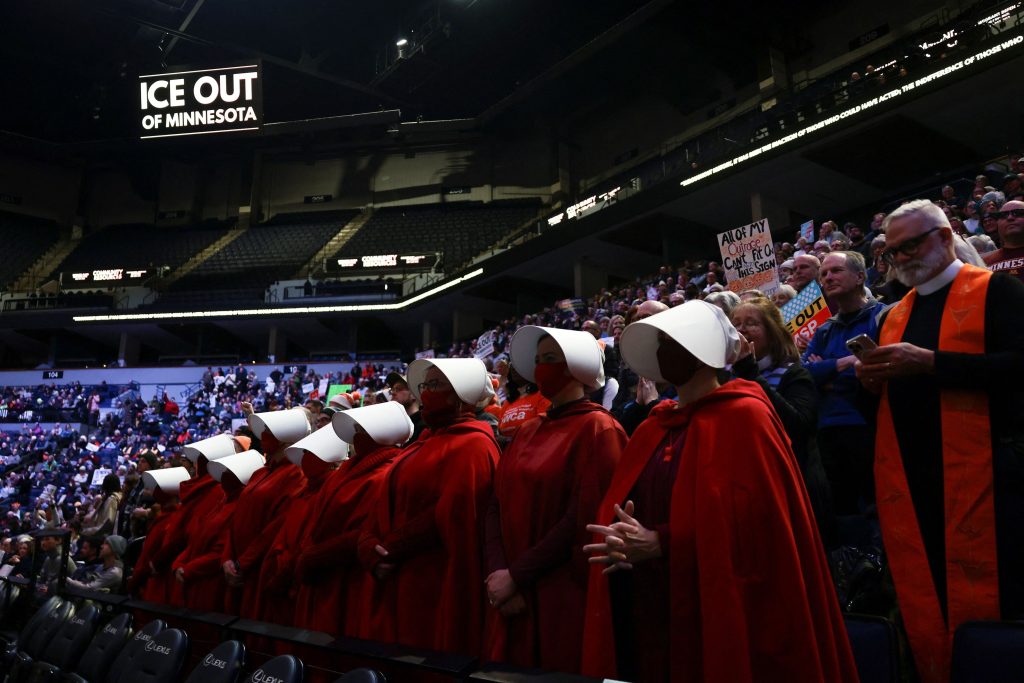
Demonstrators dressed as handmaidens from “The Handmaid’s Tale” take part in a rally on the day of a general strike to protest U.S. President Donald Trump’s deployment of thousands of immigration enforcement officers, at the Target Center in Minneapolis, Minnesota, U.S., January 23, 2026. REUTERS/Evelyn Hockstein
Some of the most dramatic demonstrations took place at Minneapolis-Saint Paul International Airport, where dozens of clergy members knelt in prayer and song on the road, calling for ICE to end its operations and for accountability following the shooting of Renee Good, a U.S. citizen killed by an ICE agent earlier this month. Police arrested dozens of protesters, including about 100 clergy members, who were placed onto buses without resistance.
“Make no mistake, we are facing a full federal occupation by the United States government through the arm of ICE on unceded Dakota land,” said Rachel Dionne-Thunder, vice president of the Indigenous Protector Movement. Speakers at the arena included indigenous leaders, religious figures, labor advocates, and community organizers, all demanding an end to ICE’s surge and a full investigation into Good’s death.
Vice President JD Vance visited Minneapolis the previous day to show support for ICE officers and appeal for reduced tensions, emphasizing the agency’s mission to enforce immigration laws. Protesters, however, criticized what they described as unchecked authority and harm caused by federal agents across the state.
Source: AP, Reuters