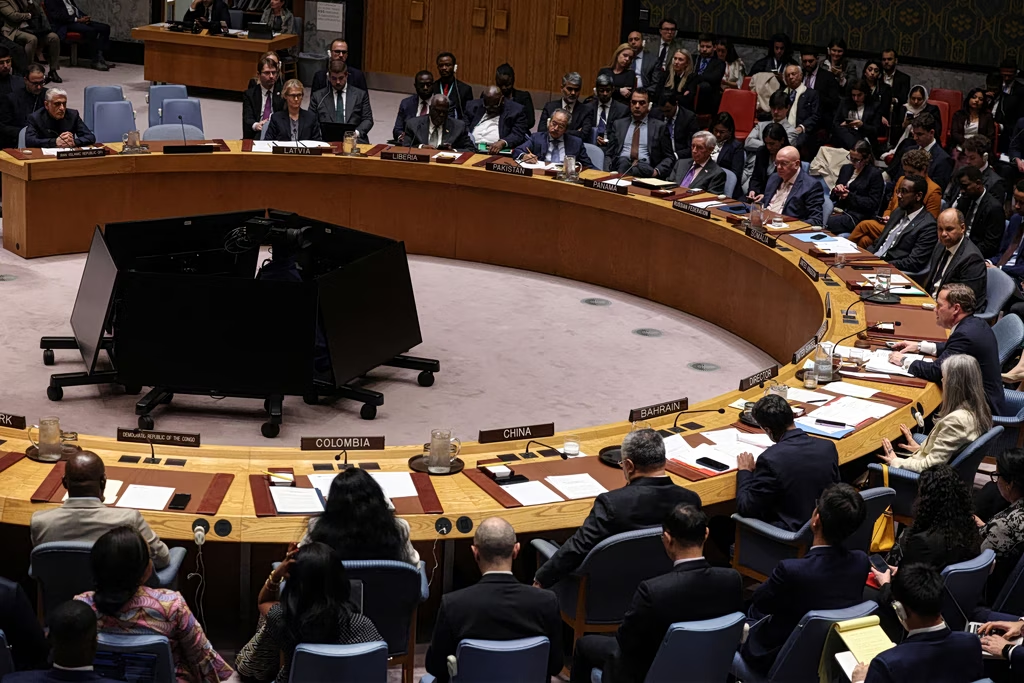
The United Nations Security Council is expected to vote on Tuesday on a resolution aimed at protecting commercial shipping in the Strait of Hormuz, though diplomats say the text has been significantly watered down.
The revised proposal removes earlier language authorizing the use of force, following objections from China and other members.
Draft focuses on defensive coordination
The latest version of the resolution instead encourages countries to coordinate “defensive” efforts to ensure safe navigation through the vital waterway.
Measures outlined include escorting commercial vessels and deterring attempts to disrupt or block maritime traffic.
Diplomats said the changes increase the likelihood of passage, though the outcome remains uncertain.
Disagreements among major powers shape text
Efforts to secure agreement have involved multiple drafts led by Bahrain, the current chair of the 15-member council, with backing from Gulf Arab states and the United States.
Earlier proposals included provisions for “all defensive means necessary” to protect shipping, but these were dropped after resistance from China and Russia.
China argued that authorizing force could escalate the conflict and lead to serious consequences.
Strait disruption impacts global energy flows
The vote comes amid ongoing conflict involving Iran, which has largely closed the Strait of Hormuz, a key route for global oil shipments.
As a result, crude and condensate exports from several Gulf countries have declined, contributing to rising oil prices.
Iran seeks ceasefire as tensions persist
Iran has said it wants a lasting end to the war and has resisted pressure to reopen the strait without broader guarantees.
U.S. President Donald Trump has warned of consequences if a deal is not reached within a set timeframe.
Vote outcome remains uncertain
For the resolution to pass, it must receive at least nine votes in favour and avoid a veto from any of the five permanent members: the United States, China, Russia, Britain and France.