The United States and Iran have agreed to hold diplomatic talks in Oman on Friday, officials said, even as disagreements persist over the scope of the agenda. While Tehran wants negotiations to focus solely on its nuclear program, Washington insists the discussions also address Iran’s ballistic missile program, support for regional proxy groups, and human rights issues.
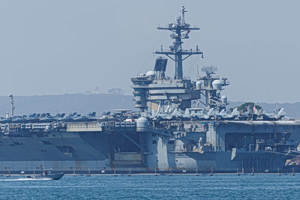
The talks, a delicate effort to avoid military escalation in the Gulf, come after heightened tensions in the region. U.S. President Donald Trump has previously threatened military strikes following Iran’s crackdown on domestic protests, while sending a flotilla, warships, fighter jets, and other forces to the Middle East in recent weeks.
Originally slated for Istanbul, the venue was moved to Muscat at Iran’s request, continuing previous Gulf-based talks that limited discussions to nuclear matters. U.S. officials, including Special Envoy Steve Witkoff and Trump’s son-in-law Jared Kushner, will participate alongside Iranian Foreign Minister Abbas Araqchi.
Iranian sources have emphasized that its missile program is “off the table” and warn that including non-nuclear issues could jeopardize the talks. Meanwhile, Washington has demanded three key conditions for resuming negotiations: zero uranium enrichment, limits on Iran’s missile program, and an end to its support for armed proxy groups. Tehran has signaled willingness to discuss uranium enrichment, which it maintains is for peaceful purposes, but sees restrictions on missiles as the main obstacle.
Tensions have escalated in recent days. Last week, the U.S. shot down an Iranian Shahed-139 drone that approached the USS Abraham Lincoln in the Arabian Sea, and Iranian boats reportedly harassed a U.S.-flagged tanker in the Strait of Hormuz. These incidents underscore the risk of miscalculation amid the ongoing buildup of U.S. naval forces.