The United States United States on Monday formally reopened its embassy in Caracas, signaling a significant thaw in relations with Venezuela and describing the move as “a new chapter” in diplomatic engagement.
The announcement, made by the State Department, comes less than three months after U.S. forces captured Venezuelan President Nicolas Maduro in a raid on the capital. The administration has since engaged with an interim government led by former Maduro ally Delcy Rodriguez.
Break in relations reversed after years of tension
Relations between the two countries were severed in 2019, when Washington refused to recognize Maduro following a disputed election and instead backed an opposition figure as Venezuela’s legitimate leader. The two sides agreed in early March to restore diplomatic ties.
US outlines three-phase Venezuela strategy
The State Department said the reopening of the embassy in Caracas marks the formal resumption of operations and a key step in a broader three-phase approach aimed at stabilizing Venezuela, supporting recovery, and encouraging political transition. The plan was outlined by Secretary of State Marco Rubio in the weeks following Maduro’s capture.
As part of renewed engagement, discussions have included a potential agreement for the United States to sell Venezuelan oil, alongside sanctions waivers intended to encourage U.S. investment in the country’s energy sector.
Diplomatic team deployed and travel advisory updated
The Trump administration, led by Donald Trump, has also appointed career diplomat Laura Dogu to oversee engagement with Venezuela’s interim authorities. According to the State Department, her team is currently restoring the embassy’s chancery building in preparation for the full return of personnel and the eventual resumption of consular services.
The administration has also moved to adjust travel guidance, removing a “do not travel” advisory for Venezuela while still warning U.S. citizens about risks including crime, kidnapping, terrorism, and limited health infrastructure.
Maduro detention and regional implications
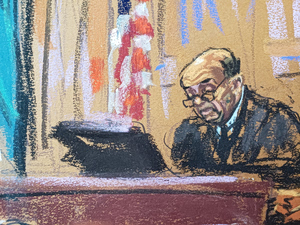
Tensions remain high following Maduro’s arrest on January 3 and his ongoing trial in New York on drug trafficking charges, alongside his wife Cilia Flores.
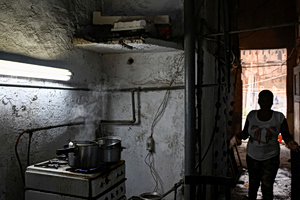
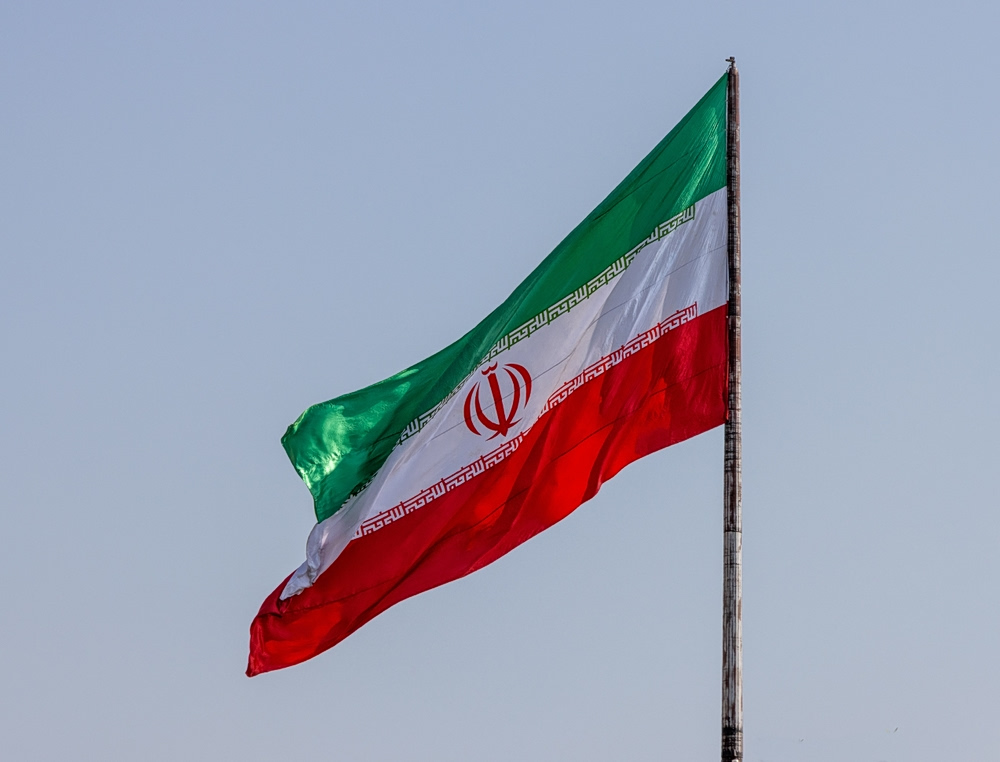
The broader geopolitical context has also been shaped by recent U.S. actions in the Western Hemisphere, including efforts to reassert regional influence and disrupt key oil flows, particularly affecting Cuba. The administration has also linked developments in Venezuela to wider strategic considerations involving the ongoing war with Iran.
The State Department said the reopening of the embassy represents a “key milestone” in implementing the administration’s plan and will strengthen direct engagement with Venezuela’s interim government, civil society, and private sector.