The Trump administration announced Thursday a series of measures to expand energy and infrastructure development in Alaska, including reopening the Arctic National Wildlife Refuge (ANWR) to oil and gas drilling.
The Interior Department said it will allow leasing across the full 1.56-million-acre Coastal Plain of the ANWR, reversing restrictions imposed by the Biden administration. The move also restores seven oil and gas leases previously granted to the Alaska Industrial Development and Export Authority, which had been canceled in 2023 but reinstated following a federal court ruling.
“From day one, President Trump directed us to unlock Alaska’s energy and resource potential while honoring commitments to the state and local communities,” Interior Secretary Doug Burgum said. “By reopening the Coastal Plain and advancing key infrastructure, we are strengthening energy independence, creating jobs and supporting Alaska’s communities while driving economic growth across the state.”
Economic and Political Implications
Alaska lawmakers and tribal corporations have long advocated for opening the refuge to drilling to boost jobs, revenues, and regional development. Governor Mike Dunleavy praised the decision as “historic,” highlighting its potential economic benefits.
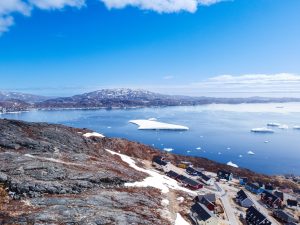
As reported in Reuters, the Coastal Plain of ANWR, a remote 19-million-acre wilderness home to polar bears, Porcupine caribou, migratory birds, and other wildlife, is estimated to hold up to 11.8 billion barrels of recoverable oil along the Beaufort Sea.
Despite its potential, oil and gas companies have so far shown limited interest in ANWR development. Last year, under the Biden administration, no bids were submitted for a 400,000-acre lease offering.
Environmental Concerns
Conservation groups criticized the move, warning it threatens one of the world’s most ecologically significant landscapes. Kristen Miller, executive director of the Alaska Wilderness League, said, “Opening the entire coastal plain of the Arctic Refuge to drilling would destroy one of the most ecologically significant landscapes on Earth.”