In one of the most promising seasons for Greek cinema in recent years, this week’s releases stand out for their clear dialogue with international filmmaking models—sometimes with ambition, sometimes with uneven results.
“Gorgona” (2025), the feature debut of visual artist and director Evi Kalogeropoulou, arrives in Greek theaters after premieres in Venice and Thessaloniki. It is, without question, an unusual spectacle by domestic standards. From its opening moments, the film signals its provocative intentions: a dystopian, hyper-masculine world where oil is losing value and a volatile King rules with erratic cruelty, seeking a worthy successor.
Men are reduced to guard dogs, women to servants—until rebellion brews. Christos Loulis delivers an electrified performance as the King, reminiscent of a Shakespearean tyrant transplanted into a “Mad Max”-like universe. The film’s aesthetic is striking: stylized direction, bold design choices, and a clever use of vintage Greek songs contribute to a distinctive atmosphere.
Yet, beneath this compelling surface lies a narrative that struggles to evolve. The repetition of its motifs and the insistence on excess—shouting, chaos, exaggeration—eventually exhaust rather than engage. While its punk feminist undertones are clear, the storytelling feels stagnant, as if style has overtaken substance. The result is a visually appealing but narratively uneven film.
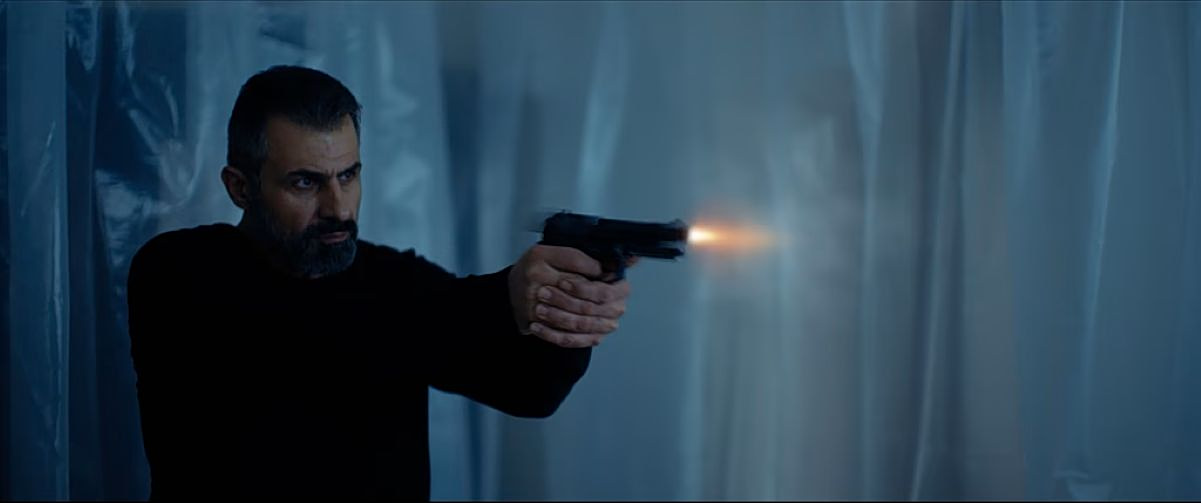
“The Secret of the Forest” (2026) offers a different kind of surprise. Directed by Makis Tsoufis and Stelios Orfanidis, it embraces the structure of an American-style crime thriller, adapted to a Greek context. The story follows a disgraced former police officer who returns to action, embodying the familiar lone-hero archetype.
What makes the film work is its craftsmanship. Despite a premise that could easily veer into implausibility, the directors handle the material with discipline, creating a convincing and engaging narrative. The dialogue is sharp, the performances grounded, and the pacing effective. While its influences are evident, the film succeeds as an entertaining genre exercise—suggesting that Greek cinema can indeed explore such territory with confidence.
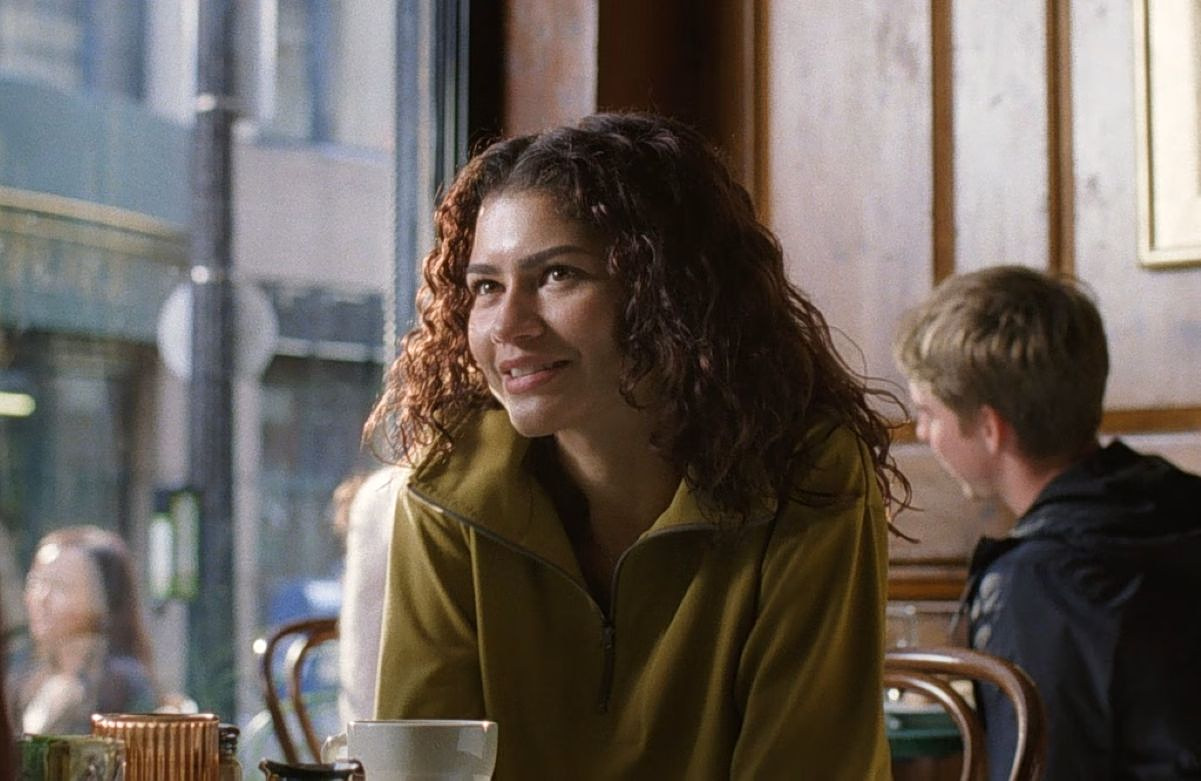
Among the international entries, “The Drama” (2026) by Kristoffer Borgli explores the fragility of romantic relationships through a deceptively simple premise: what truth could shatter a seemingly perfect love? Starring Robert Pattinson and Zendaya, the film begins as a refined romantic comedy before shifting into darker psychological territory. Its writing is strong, though a controversial narrative choice may divide audiences on ethical grounds.
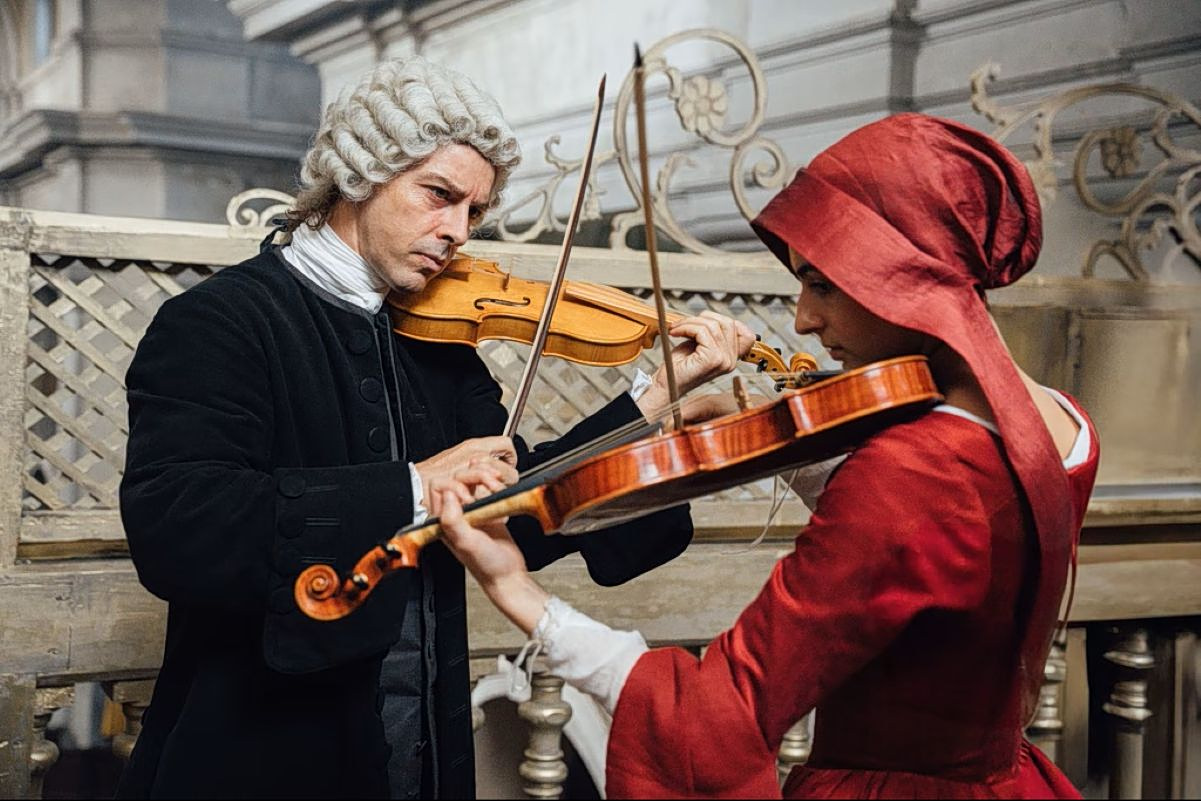
Finally, “Primavera” (2025) by Damiano Michieletto offers a quiet, atmospheric portrait centered on Antonio Vivaldi—not through spectacle, but through intimacy. Focusing on a restrained emotional connection between the composer and a young violinist, the film prioritizes silence, glances, and unspoken desire. It is a delicate, humanistic work that lingers.
Altogether, this week’s lineup reflects a cinema in transition—looking outward, experimenting with form, and testing its limits.