Pontic Greeks are donating precious family heirlooms to go on display at a new museum in the Central Macedonian town of Naousa in northern Greece in an effort to preserve Pontic Greek heritage.
Local media outlet Pontosnews.gr reports an enthusiastic response, with dozens of items contributed to the museum. The exhibition will focus on the history of Argyroupolis in Pontus (modern-day Turkey) and the settlement of the first refugees from the region in Naousa.
The Euxine Association of Pontians of Naousa Museum will house the National Library of Argyroupolis “Kyriakidis”, as well as a book conservation and digitization workshop. The facility will also include a versatile space for research, cultural events, conferences, and educational programs.
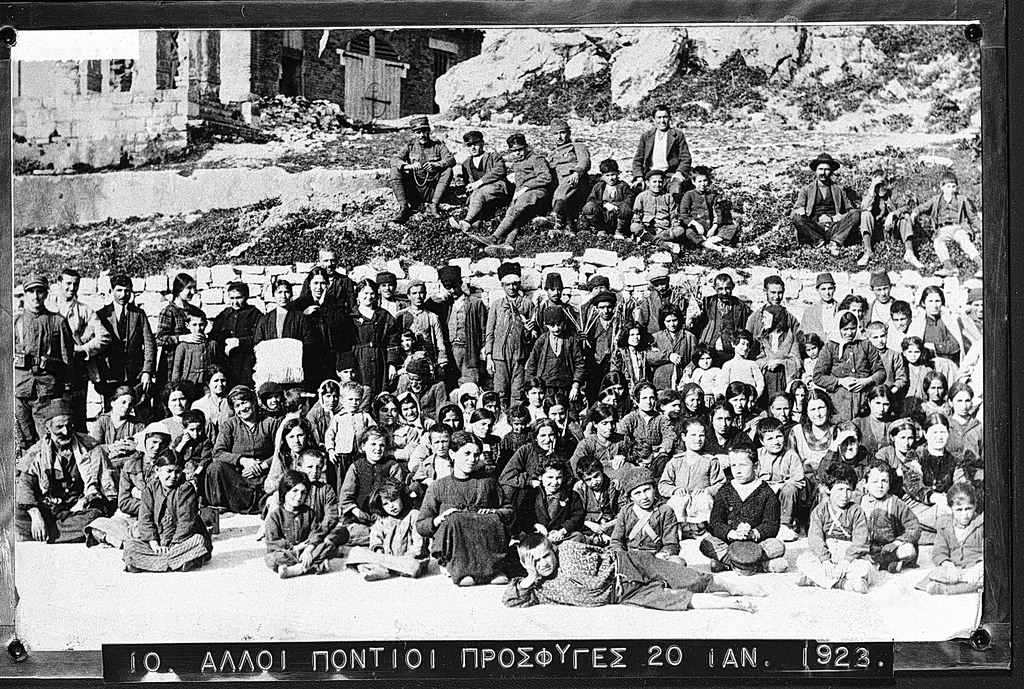
Greeks from the Black Sea coast of Anatolia (modern-day Turkey), who were forcibly displaced during the 1913-1923 genocide.
Experts are currently cataloging the donations, which include documents, religious relics, icons, embroideries, handicrafts, traditional costumes, and hundreds of books, ensuring each item is displayed in the appropriate thematic section.
The museum will be located in the 450m² historic Tourbali Mansion in central Naousa, owned by the association and set for a full restoration.
“People are showing great interest in supporting our effort. Citizens see that this is a well-organized initiative and want to leave their family heirlooms for future generations,” said Haralambos Faniadis, general secretary of the Euxine Association of Pontians of Naousa – National Library of Argyroupolis “Kyriakidis”.
He emphasized the importance of preserving the narratives, photographs, and stories of the first generation of refugees.
Argyroupolis, located 80km south of Trabzon in northeastern Turkey, was established around 700 BC as the settlement of Thyra by Ionian Greeks, who discovered silver in the region. Its name derives from the Greek words “argyro” (silver) and “polis” (city).