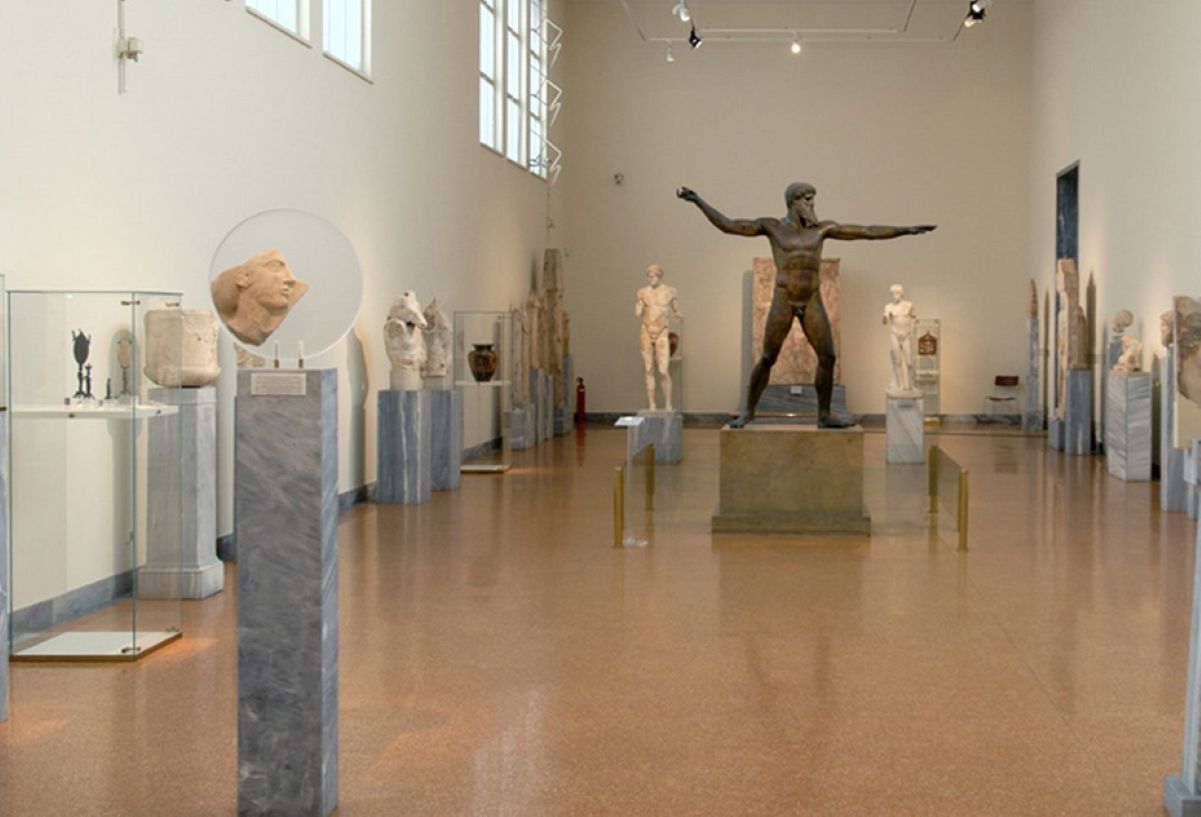
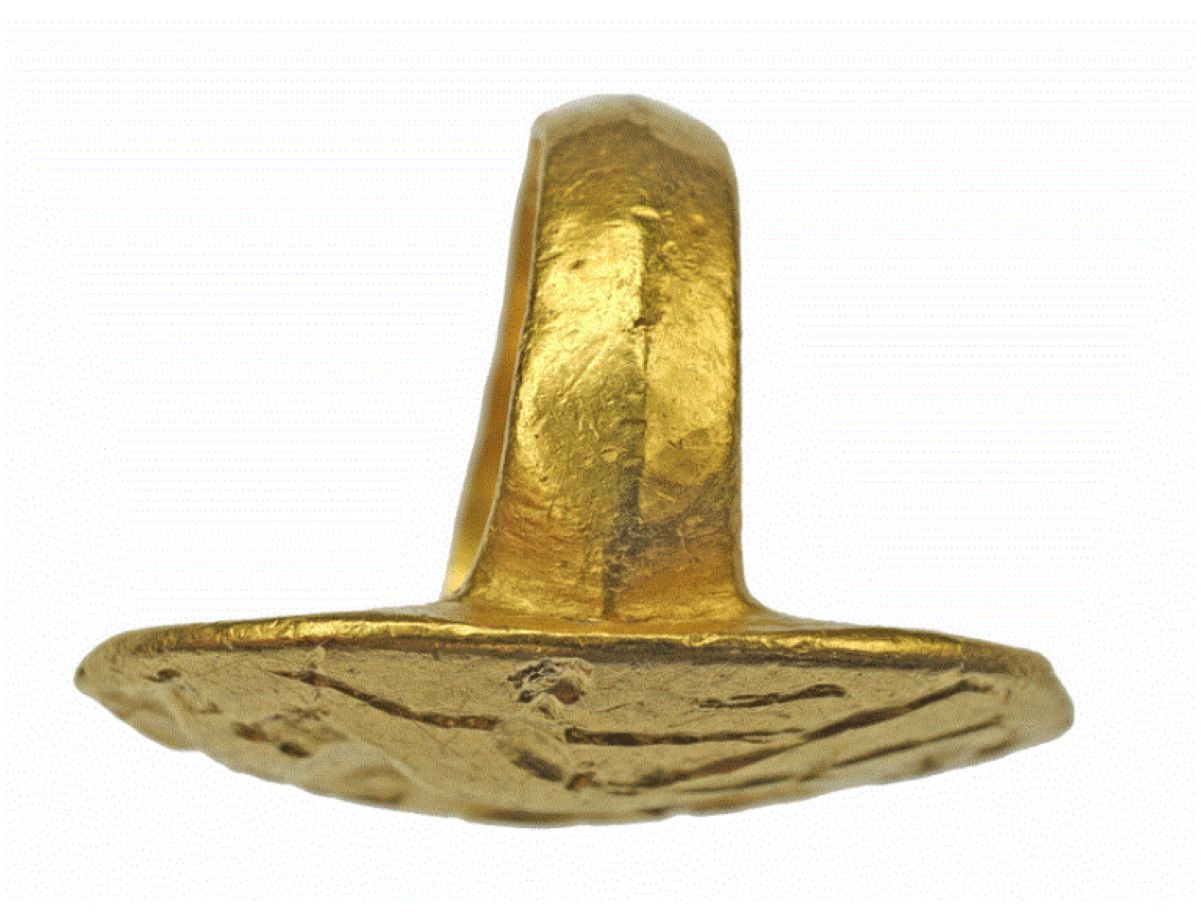
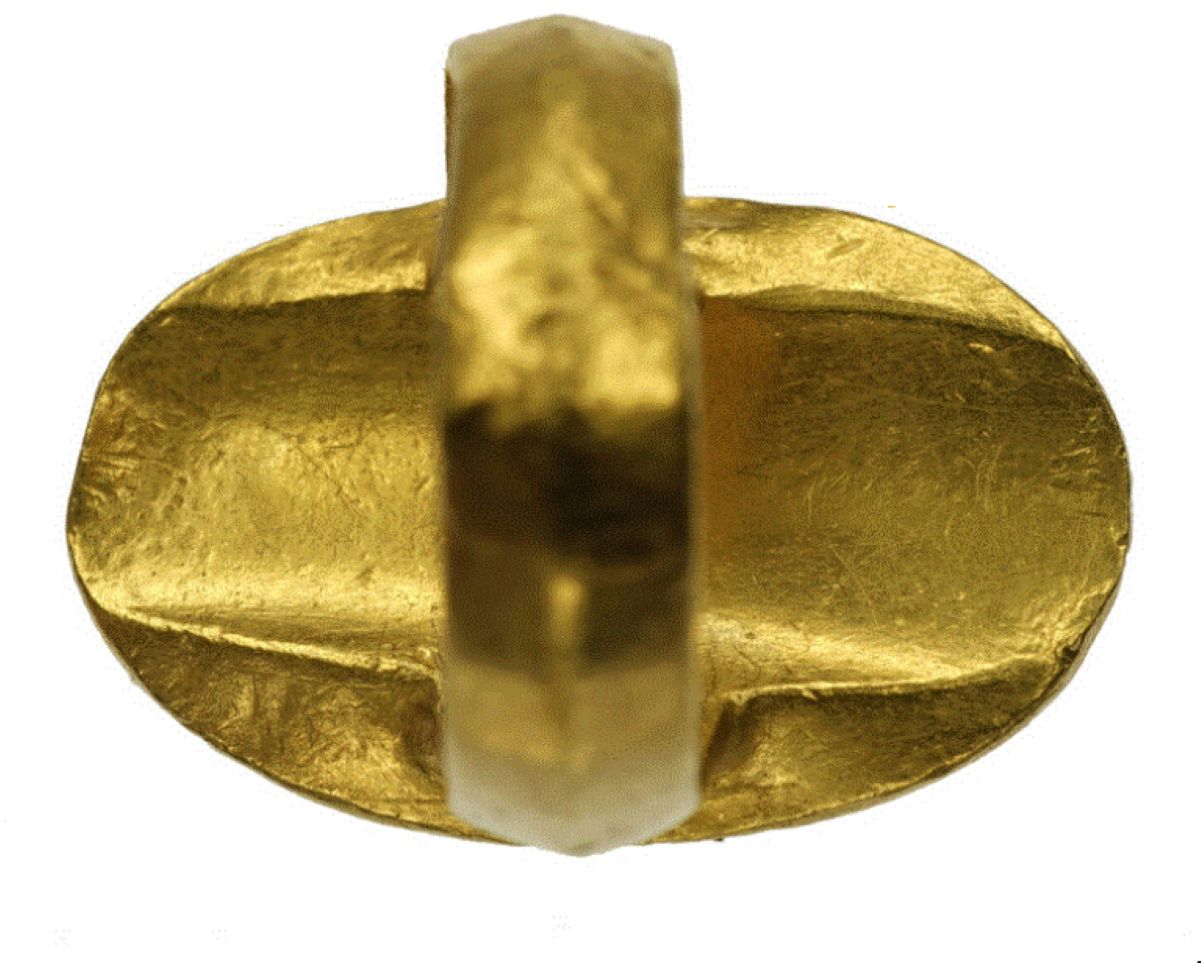
Nestled in the halls of the National Archaeological Museum of Athens, a small yet extraordinary artifact tells a story of power, myth, and ritual. The golden signet ring, often called the Ring of the mythical Theseus, dates back to 1500–1400 B.C. and was officially added to the museum’s Prehistoric Antiquities Collection in 2004.
According to its last private owner, the ring was discovered by chance in the 1950s among the discarded earth from excavation works around the Anafiotika area, near the old Acropolis Museum. If this account holds, the ring would have once belonged to a member of the Mycenaean elite—one of the earliest Greek-speaking rulers.
A Leap Through Myth and Art
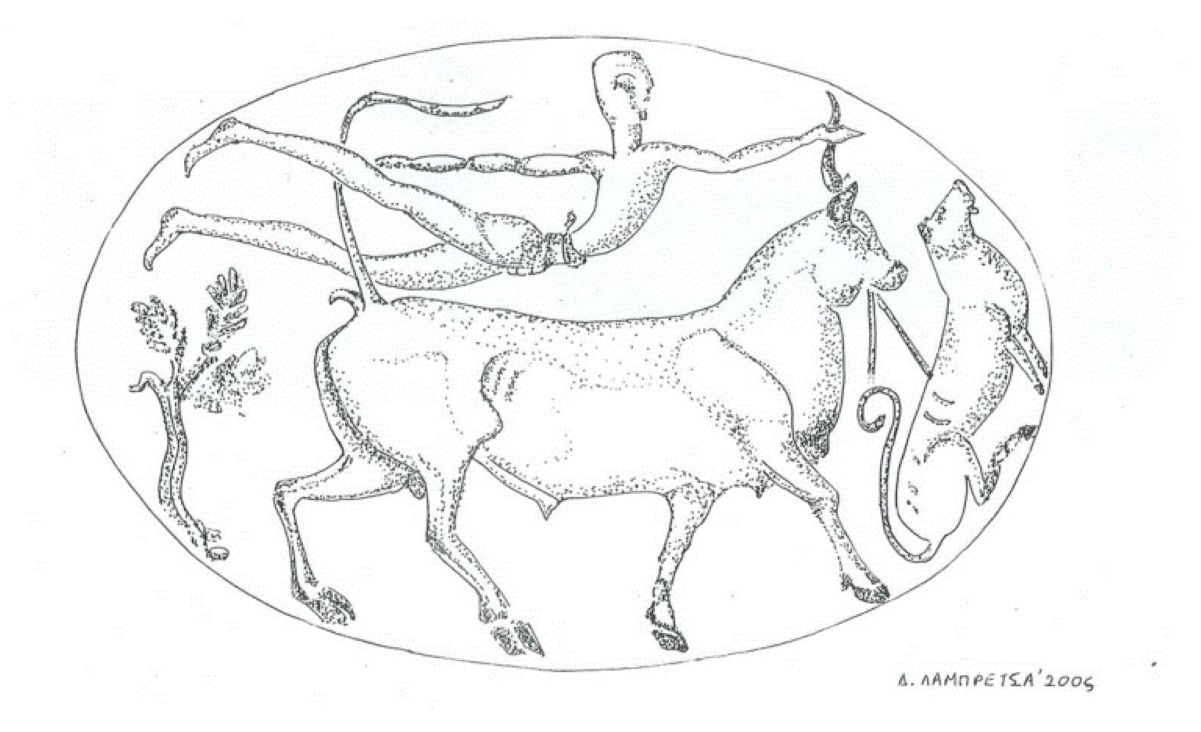
The ring’s engraved surface depicts the famous Minoan scene of bull-leaping. At the center, an athlete soars over a bull, flanked by a seated lion and a tree, reflecting the Mycenaean habit of filling every space with symbolic imagery. This image, a hallmark of the Minoan palaces of Crete, appearing on a prestigious Athenian object, marks the continuation of an older symbol of distinction by the new Mycenaean rulers of the prehistoric Aegean.
Complementing the ring is a roughly contemporary fragment of a black steatite Minoan vessel, also from the Acropolis, featuring the same bull-leaping motif. These artifacts hint at the myth of Theseus, the legendary king-settler who tamed the Minotaur and freed Athens from the harsh tribute imposed by King Minos of Crete. Another Athenian legend even tells of Minos casting his ring into the sea, prompting Theseus to retrieve it.
Ritual, Spectacle, and Social Life
Bull-leaping, a perilous sport, was immensely popular among the elites of Minoan Crete, combining ritual significance with entertainment. Public displays pitted human agility against animal strength, producing both adrenaline and communal excitement. Whether the sport survived in Mycenaean culture remains uncertain, as its appearances in later art are rare, suggesting a society gradually shedding Minoan influences.
A Museum Legacy
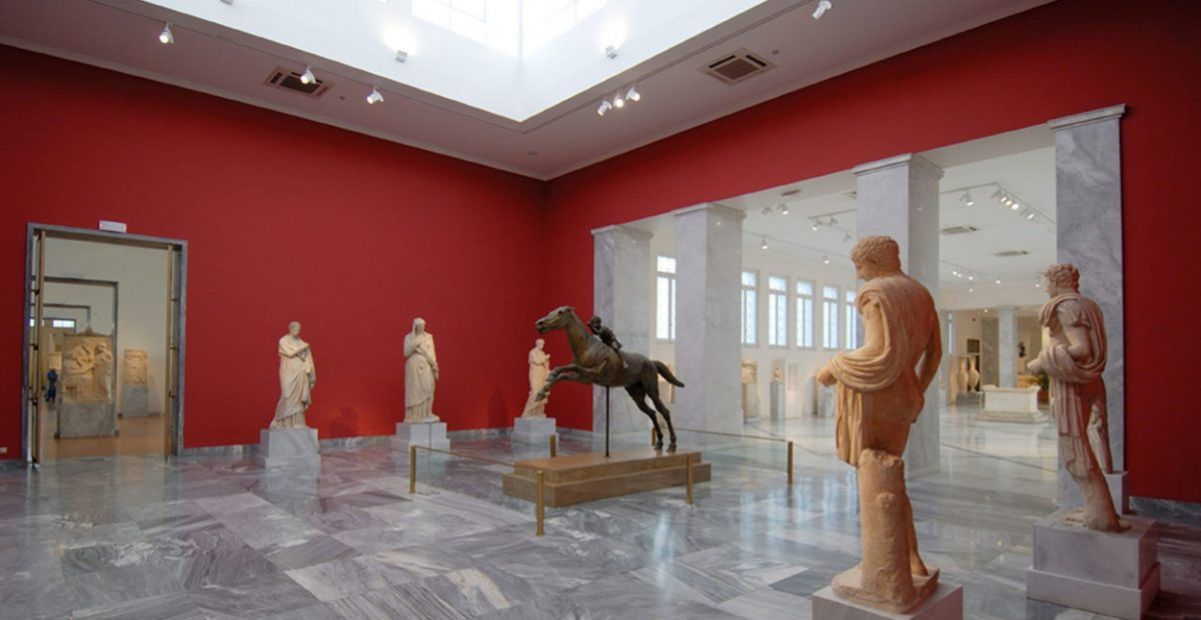
The ring now shines within one of the six permanent collections of the National Archaeological Museum, alongside sculptures, metalwork, pottery, Egyptian, and Cypriot antiquities. The museum itself, a cornerstone of modern Greece, was founded with its first stone laid on October 3, 1866, shortly after the country gained independence.