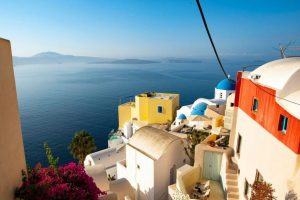
Samos, the island of ancient mathematician Pythagoras, is far more than just a summer getaway. With its blend of history, nature, and laid-back charm, this northeastern Aegean island offers visitors neoclassical mansions, UNESCO World Heritage Sites, forested trails, and postcard-perfect beaches—all woven into a rich cultural tapestry.
Where History and Architecture Meet
The capital, Vathy, lies tucked inside a protected bay. A stroll from the ferry port reveals an array of elegant neoclassical houses painted in soft hues of white, blue, and ochre. Featuring ornate ironwork, French shutters, and blooming gardens, these homes reflect the island’s architectural heritage. The standout structure along the waterfront is the early-20th-century Catholic church known as Frangoklisa, built by craftsmen from Chios. Nearby, the Archaeological Museum of Vathy showcases artifacts like a five-meter-tall kouros statue and treasures from classical antiquity.
Wine and Coastal Views
For sweeping views over the bay, visit the Prophet Elias chapel just outside Vathy. On the opposite shore, a 19th-century stone winery now houses the Samos Wine Museum. Here, visitors learn about the island’s mountainous vineyards, harvest traditions, and taste the famous sweet and dry Samos wines—served in tasting rooms furnished with vintage barrels.
Karlovasi and Natural Wonders
To the west lies Karlovasi, the island’s second-largest town and an academic hub thanks to the local university. A walk along its beach reveals the ruins of a once-thriving tannery industry. Architectural gems include mansions with private gardens and the stone-built Church of the Presentation of the Virgin Mary, combining Byzantine and neoclassical influences. Just outside the town, Potami Waterfalls plunge into lush landscapes, creating a scene more reminiscent of a tropical forest than a typical Aegean island.
Pythagoreio: An Ancient Powerhouse
Pythagoreio, the island’s third port, is built on the ruins of ancient Samos, once a dominant naval force under tyrant Polycrates. The town honors its most famous son, Pythagoras, with both a statue and a modern art space that hosts exhibitions and events. The local Archaeological Museum displays a range of ancient sculptures, coins, and mosaics, while the nearby stone tower of Lykourgos serves as a reminder of Samos’s 19th-century revolutionary past.
Heraion and Ancient Engineering Feats
Just southwest of Pythagoreio is Heraion, once a humble fishing spot and now a developed seaside village known for its café-bars and the annual Ireon Music Festival (August 7–9 this year), featuring performances by Greek acts including Foivos Delivorias and Locomondo.
Not to be missed is the Heraion archaeological site, once home to a colossal temple dedicated to Hera—today, only a single column remains standing. Also remarkable is the Eupalinian Aqueduct, an ancient tunnel over a kilometer long, engineered from both ends of a mountain and used to supply water to the ancient city while avoiding detection by invaders. Both landmarks were designated UNESCO World Heritage Sites in 1992.
Where to Swim
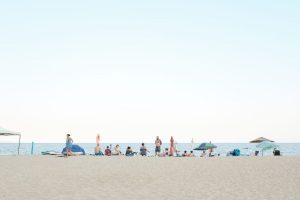
Samos offers a variety of beach experiences. Organized options like Mykali feature grey pebbles, while smaller coves such as Sideras and Mikri Lakka offer turquoise waters. Nature lovers will appreciate Mourtia for its underwater scenery or the secluded Phokia cave, accessible only by boat. The long, vibrant beach at Kokkari—complete with tavernas and restaurants—attracts many visitors, as does the nearby pebbled Tsamadou. For something wilder, head to Megalo Seitani, where a sandbar separates green forests from emerald waters.
Cultural Events
Every summer, the ancient theater of Pythagoreio hosts the Samos Young Artists Festival, featuring a range of musical genres—from opera and piano concerts to jazz and world music—with performances by both Greek and international musicians.