Fuel prices in Greece have begun to rise following escalating tensions in the Middle East, with industry officials pointing to global market reactions rather than domestic factors as the primary driver.
According to Association of fuel retailers and dealers of Attica President Nikos Papageorgiou, prices have increased in what he described as a “normal” market adjustment, with no immediate cause for alarm. The average price of gasoline nationwide has climbed from €1.72 per liter about two weeks ago to €1.76 per liter.
Papageorgiou said the increase reflects earlier movements in international markets, where prices rose between 6% and 10% in anticipation of instability in the Gulf region. These changes are expected to continue gradually appearing at gas stations in the coming days, as fuel retailers adjust to refinery pricing.
He emphasized that competition among gas stations remains strong, allowing consumers to compare prices and limiting the risk of unfair practices. Retailers, he noted, sell fuel at prices set by refineries and do not determine production costs.
Market stability, but risks remain
Despite the upward trend, Papageorgiou said markets are currently stabilizing, with recent increases settling at around 6%. He added that price levels are expected to remain near current levels in the short term, barring further escalation.
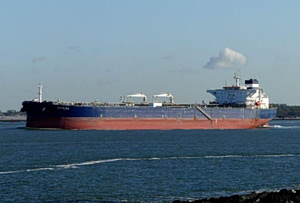
However, he warned that a closure of the Strait of Hormuz—a key global oil transit route—could significantly disrupt supply chains. Roughly one in five oil shipments to Europe passes through the strait.
What the closure of the Straight of Hormuz means for the world?
If disruptions intensify, projections indicate that Brent crude oil prices could rise from around $73 per barrel to as much as $120–$150 per barrel.
Such a scenario would push gasoline prices in Greece toward €1.80 per liter, up from approximately €1.75, while diesel could rise to around €1.60 per liter from €1.56.
Broader effects include shipping delays, rerouting of vessels, and increased transportation and insurance costs. For example, insurance premiums for a $100 million vessel could rise from $250,000 to $375,000 per trip.