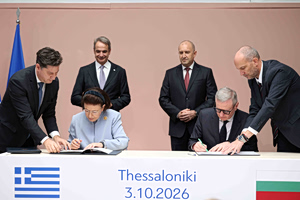
Amid the geopolitical instability, tax reforms and economic uncertainty reshaping much of the global capital flows, Greece is reportedly emerging as one of Europe’s most competitive destinations for so-called wealth migration, i.e. prosperous individuals seeking to relocate their assets, businesses and families.
The trend reflects a broader shift in how high-net-worth individuals—defined as those with investable assets exceeding one million US dollars—manage their wealth. Increasingly, relocation decisions are driven not only by taxation but also by political stability, legal certainty, quality of life, security and access to international markets as conflicts in Ukraine and the Middle East, together with policy changes in several major economies, encourage affluent families to diversify their residency options.
Recent international rankings suggest Greece has become one of the principal beneficiaries of this global redistribution of private wealth.
Greece gains ground
The Henley Private Wealth Migration Report 2026 ranks Greece seventh in Europe and 14th globally in its newly introduced Global Wealth Mobility Framework, which measures the competitiveness of jurisdictions seeking to attract internationally mobile wealth. The framework evaluates countries across 12 criteria, including geopolitical stability, rule of law, taxation, investor migration pathways, capital mobility, quality of life and family integration, drawing on data from institutions including the World Bank, the International Monetary Fund, the OECD and the Global Peace Index.
Greece received a competitiveness score of 70.5 out of 100, placing it alongside established wealth destinations such as Switzerland, Hong Kong and Italy. Singapore, New Zealand and the Cayman Islands topped the global rankings.
Although several European countries scored marginally higher overall, Henley highlights Greece as one of the clearest winners from recent changes in Europe’s investment migration landscape.
The report attributes the country’s rising profile to a combination of political stability, favorable tax incentives for new tax residents, an established Golden Visa program, improving economic prospects and a Mediterranean lifestyle that continues to appeal to internationally mobile investors.
Henley also argues that Greece has benefited from Spain’s decision to abolish its Golden Visa program and Portugal’s withdrawal from real estate-based investment residency, prompting investors to redirect capital toward alternative European destinations rather than abandon relocation plans altogether.

A changing map of global wealth
The report illustrates a wider transformation in international wealth management.
Rather than simply moving to lower-tax jurisdictions, affluent individuals are increasingly building diversified “mobility portfolios,” combining multiple residences, citizenships, investments and business interests to reduce geopolitical and economic risk. During the first five months of 2026 alone, Henley reported receiving applications from citizens of 86 nationalities across 47 investment migration programs, with more than one-quarter of applicants already residing outside their country of nationality.
The report projects that approximately 165,000 millionaires will relocate internationally this year, surpassing last year’s record after an estimated 142,000 changed residence in 2025. The United Kingdom is expected to record the largest net outflow of wealthy residents, followed by China and India, reflecting tax reforms, political uncertainty and shifting investment strategies.
Earlier Henley estimates also placed Greece among the world’s leading destinations for millionaire migration, projecting net inflows of roughly 1,200 wealthy individuals carrying an estimated 7.7 billion U.S. dollars in investable assets, ranking the country eighth globally in 2025.
While Henley’s migration estimates have occasionally drawn criticism from some tax professionals over aspects of their methodology, broader industry research points in the same direction, with analysts agreeing that investment migration has expanded rapidly in recent years.

Real estate drives investment
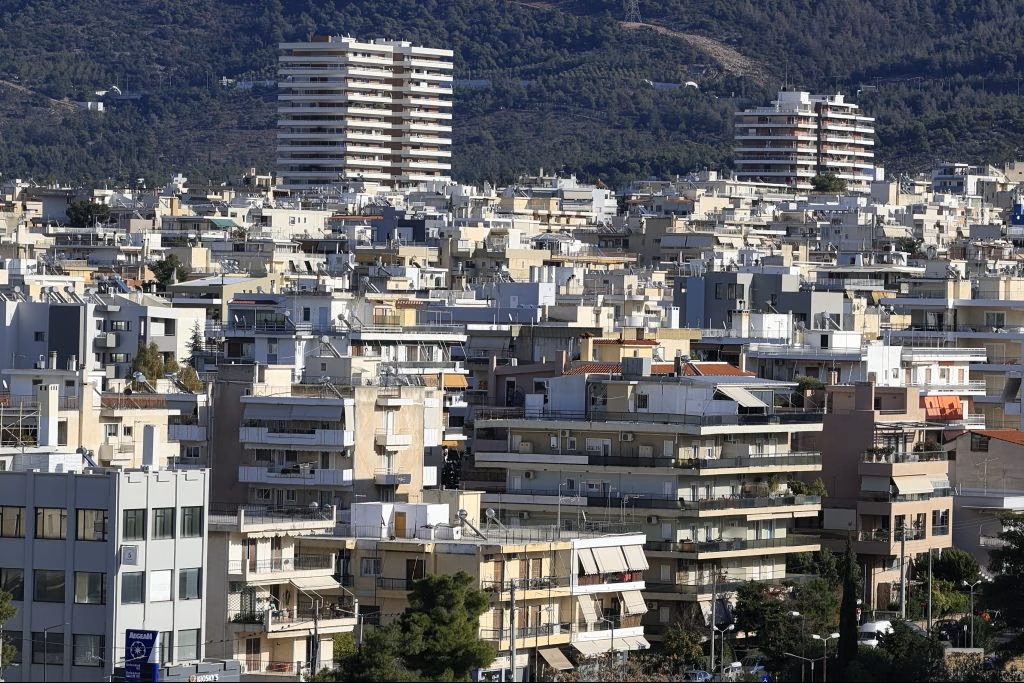
The influx of affluent residents has become increasingly visible in Greece’s property market.
Luxury residential districts including Kolonaki, the Athens Riviera and the capital’s northern suburbs continue to attract growing interest from overseas buyers, while broader foreign direct investment into Greek real estate has accelerated alongside the country’s post-crisis economic recovery.
The country’s Golden Visa program remains a significant attraction despite substantially higher investment thresholds introduced last year. Investors now generally face minimum real estate investments of up to 800,000 euros in high-demand areas such as greater Athens, Thessaloniki and the most popular islands, compared with lower thresholds elsewhere in the country.
Demand has nevertheless remained resilient, particularly among investors from China, Turkey, Israel, Lebanon, Iran and the United States, many of whom view Greece as a politically stable gateway to the European Union offering favorable taxation, high-quality lifestyle amenities and access to premium Mediterranean real estate.
Long-term outlook
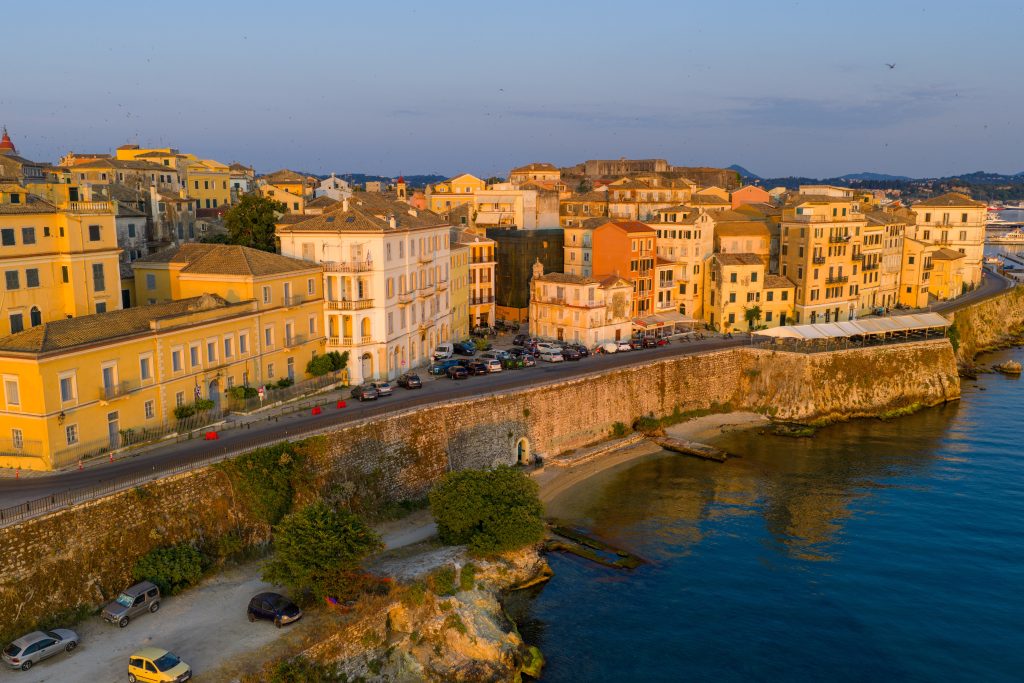
Separate research by global property consultancy Knight Frank also points to Greece’s growing importance in international wealth markets.
Its Wealth Report 2026 ranks Greece among the world’s 20 fastest-growing wealth markets over the next five years, forecasting continued expansion in the country’s population of ultra-high-net-worth individuals—those with assets exceeding 30 million US dollars. The report argues that future wealth creation will become increasingly diversified geographically rather than remaining concentrated in traditional financial centers, with Greece positioned among Europe’s stronger growth markets.
For Greece, the relocation of wealthy individuals and wealth migration extends beyond demographic change. Industry analysts note that affluent migrants frequently move not only personal assets but also family offices, investment vehicles, businesses and entrepreneurial networks, generating additional demand for financial services, technology ventures and premium real estate while reinforcing the country’s profile as an international investment destination.
Although the United Arab Emirates—particularly Dubai—has dominated global wealth migration in recent years, ongoing geopolitical tensions in the Gulf have prompted some internationally mobile investors to seek greater geographical diversification. Combined with continued uncertainty elsewhere, that trend appears to be strengthening Greece’s position as one of Europe’s emerging hubs for globally mobile private capital.