Greek companies have invested more than €5.5 billion in Romania’s energy sector since the end of 2023, highlighting the growing role of Greek businesses in the country’s renewable energy market and the broader green transition in Southeast Europe.
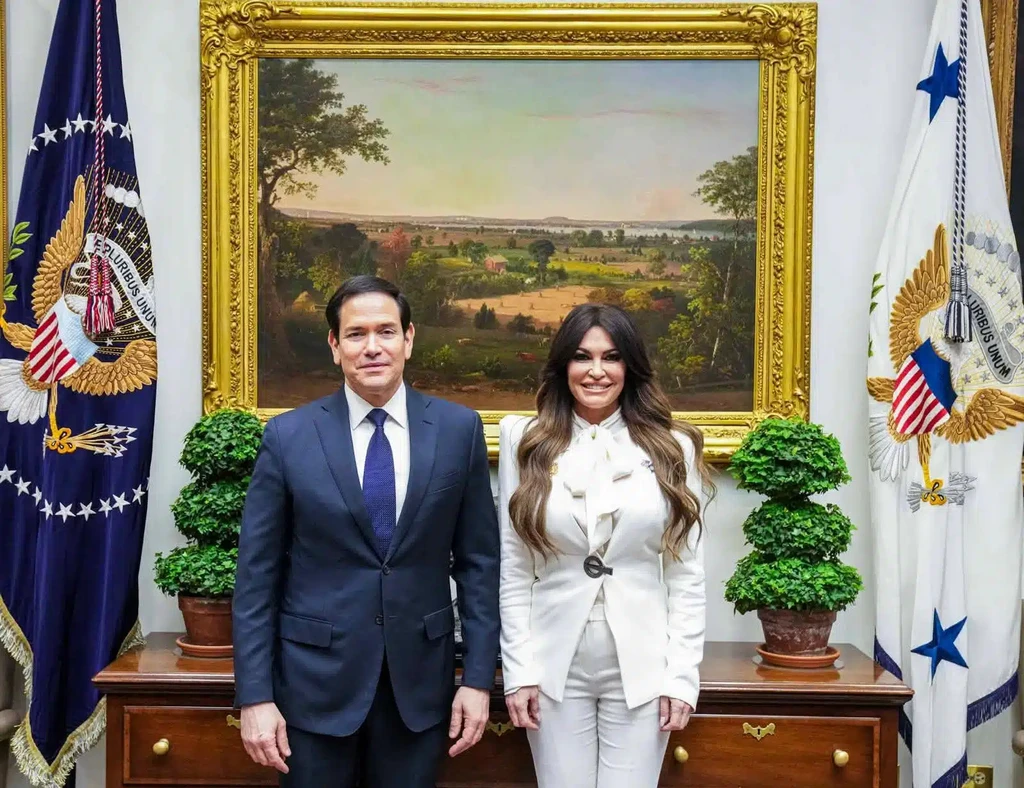
The figure was cited by Lili Evangelia Grammatiká, Greece’s ambassador to Romania, during the presentation of the third edition of the “Code of Good Practices for Renewable Energy Sources in Romania.”
Grammatiká said Greek companies currently hold a leading position among Greece’s foreign direct investments in Romania, with more than €5.5 billion invested in the energy sector through major projects.
She said the investments demonstrate the strengthening of Greek-Romanian cooperation in energy, both bilaterally and at the regional level, while contributing to renewable energy development, energy security and a more resilient and sustainable energy system in Southeast Europe.
PPC leads Greek investment
The PPC Group, Greece’s state-controlled Public Power Corporation, is the largest Greek investor in Romania’s energy sector, according to Grammatiká.
“PPC is the main investor, with more than €4 billion already invested, including in renewable energy, here in Romania, and another €3 billion in investments planned through 2030,” she said.
She added that PPC Renewables is the leading renewable energy producer in Romania.
Grammatiká did not provide detailed figures on generation capacity or the locations of the largest projects, saying that such information could quickly become outdated because a number of projects are still under development, alongside existing facilities already operating at full capacity.
Metlen, Helleniq Energy and Sunel expand
Other Greek companies have invested more than €1 billion in Romania’s energy sector, according to the ambassador.
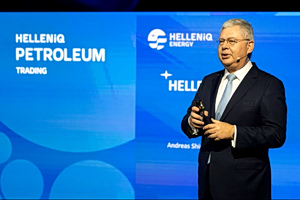
Their investments include major renewable energy projects involving solar and wind farms. Among the companies active in Romania are Metlen, Helleniq Energy and Sunel, as well as smaller, highly specialized Greek companies.
Grammatiká said these investments are helping diversify Romania’s energy mix and support the country’s green transition and the objectives of its national energy plans within the broader framework of European Union energy policy.
Energy security and regional cooperation
The ambassador also emphasized the importance of regional cooperation in strengthening energy security and independence.
“Greece is at the forefront of important initiatives and actively contributes to expanding energy capabilities and securing additional energy sources that are safe and resilient,” she said.
Greece and Romania, she added, share common strategic objectives and are “natural partners” in efforts to build a secure and sustainable energy network that can strengthen both economies while improving energy efficiency and resilience at the European level.
According to Grammatiká, one of the main challenges is ensuring energy security while maintaining competitiveness.
She said the European Union’s energy policies, the European Green Deal and Fit for 55 have come under scrutiny amid unprecedented crises near Europe’s eastern borders and in the Middle East, rising energy prices and significant market distortions.
Greece increases renewable energy share
Grammatiká argued that the goals of the European Green Deal remain relevant, pointing to Greece as an example.
Through investment in renewable energy, Greece has significantly diversified its energy mix, she said. Renewable energy accounts for 52.6% of Greece’s energy mix this year, contributing to greater energy resilience.
Greece has also become a net electricity exporter, whereas only a few years ago it was a net importer, she said.
Storage seen as key challenge
Turning to Romania, Grammatiká highlighted the country’s diverse energy mix, which includes both nuclear and hydropower, while stressing the need to expand energy storage capacity.
“Both countries need to accelerate the development of battery storage capabilities,” she said, adding that Greek companies are already active in the sector through significant investments and expertise.
She also called for greater solidarity among EU member states and action to reduce differences in electricity prices across the bloc.
“It is important to address the distortions in the electricity market that create significant price differences within the EU,” Grammatiká said.
She also stressed the need for joint efforts to improve and secure electricity-grid connectivity across Europe.