What unfolded in the Oval Office revealed not only the volatility of world affairs but also something deeper: a gradual transformation in Germany’s foreign policy. In the emerging conflict with Iran, Berlin is no longer presenting itself as the moral voice of Europe. Instead, Chancellor Friedrich Merz appears determined to adapt to a harsher geopolitical reality.
According to one German journalist present, President Donald Trump occupied “about 90 percent” of the speaking time. On television, viewers could watch Merz patiently endure the imbalance, carefully avoiding anything that might provoke his unpredictable host.
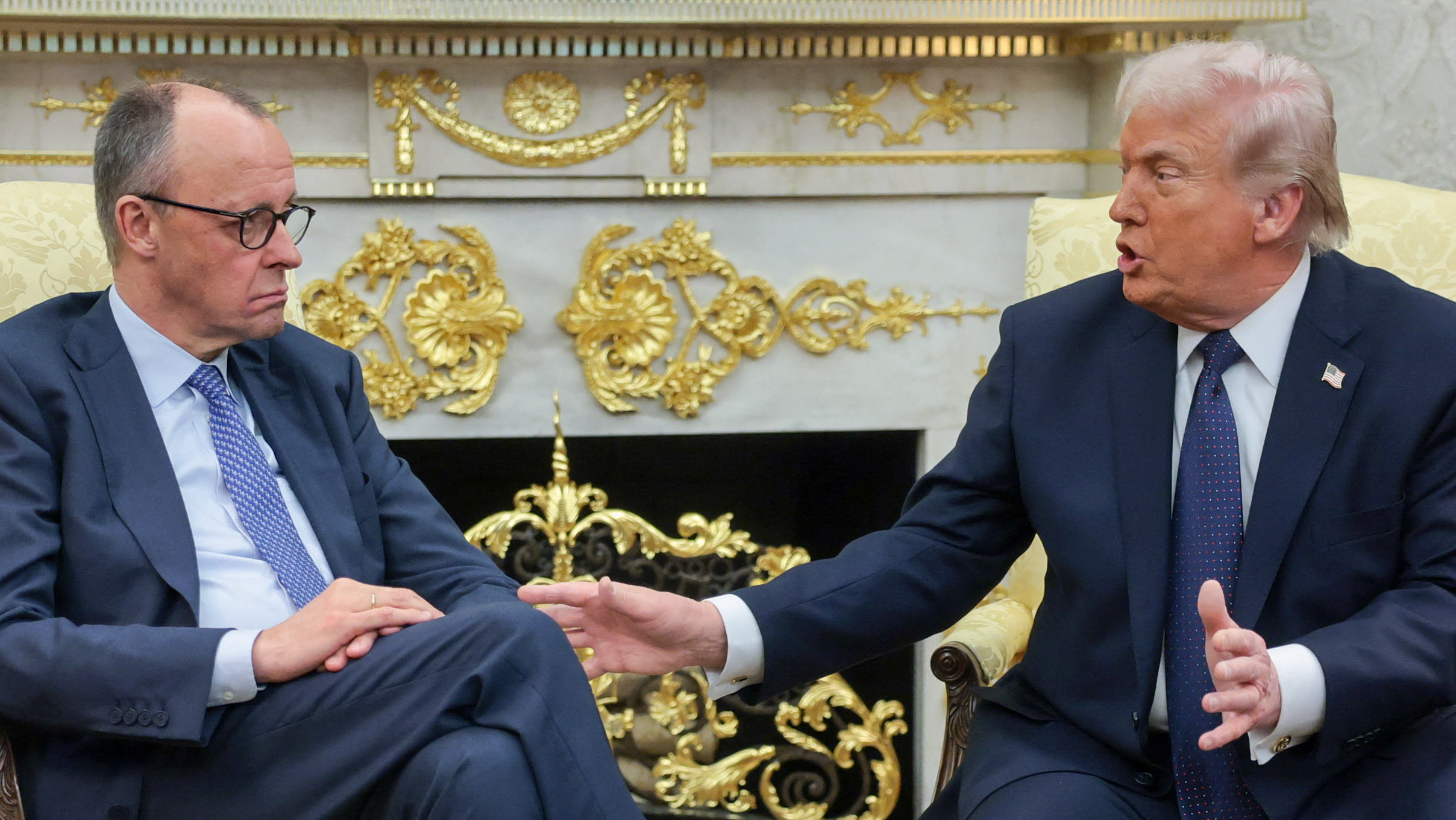
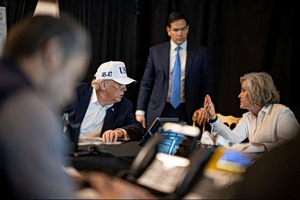
U.S. President Donald Trump and German Chancellor Friedrich Merz meet in the Oval Office at the White House in Washington, D.C., U.S., March 3, 2026. REUTERS/Jonathan Ernst
Yet for Berlin, the visit counted as a modest success. The chancellor managed to raise both Ukraine and tariffs – topics that risk being overshadowed by Washington’s growing focus on the Middle East. Maintaining transatlantic communication, even under these new conditions, is a priority for Merz. And on Iran, he moved closer to Washington’s position. He did not mention the widespread doubts about the legality of the strikes against Iran. Nor did he refer to concerns about the erosion of international law and the rules-based order under Trump’s leadership. It was not the time, Merz said, “to appear like a schoolmaster.” Europe, he added, simply lacks the military means to enforce its own preferences.
It was a blunt admission – and a revealing one. Merz represents a new pragmatism in German foreign policy, marking a clear departure from the value-driven rhetoric that shaped Berlin’s diplomacy for many years.
If Germany’s stance reflects realism, Europe’s broader position reflects something else: fragmentation. Europeans have grown accustomed to internal disagreements on major geopolitical questions. In the current crisis, they are also largely irrelevant. Israel and the United States have pushed the Europeans to the sidelines, reducing them to spectators.
This was not always the case. In Washington’s wars in Iraq and Afghanistan, European forces fought on the front lines. Today the picture looks different. A joint statement by France, Britain and Germany over the weekend illustrated the divisions. At first glance, the declaration suggested that Europe’s three largest military powers might provide direct support to Israel and America. But within hours Berlin clarified that Germany would participate in the war “in no way whatsoever” and would provide “no military facilities.” There is, in other words, no unified European military front.
Nor is there a coordinated operational response as became visible in the context of the drone attack against the British base in Cyprus. Europe lacks an established mechanism for reacting collectively to attacks of this kind. Greece and France – both with strong strategic ties to the Eastern Mediterranean – have reacted forcefully, but their position remains the exception rather than the rule.
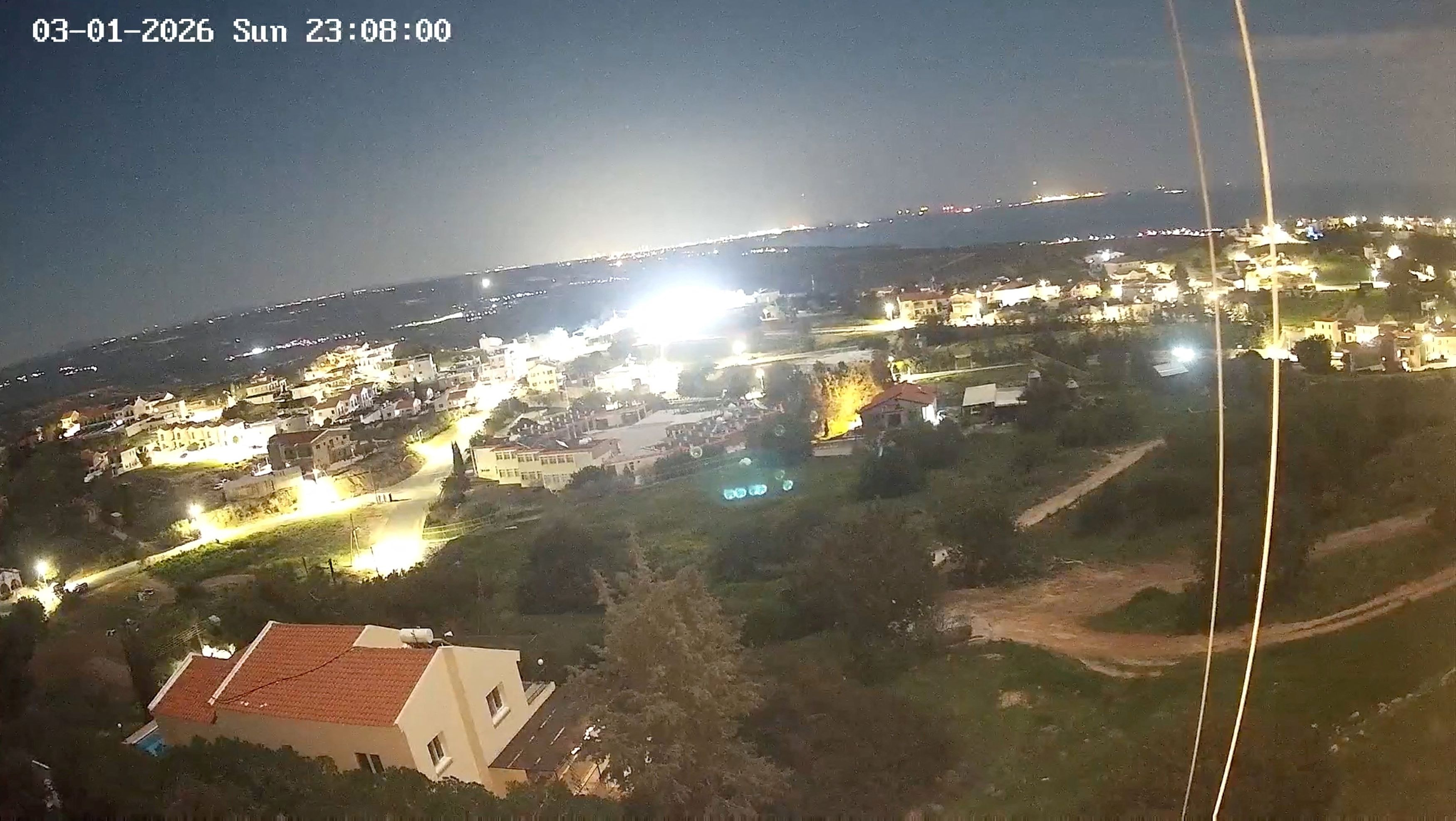
Flashes appear in the sky over RAF Akrotiri, as seen from Pissouri, Limassol District, Cyprus in this screen grab taken from a handout video obtained on March 2, 2026. KitasWeather/Handout via REUTERS THIS IMAGE HAS BEEN SUPPLIED BY A THIRD PARTY. MANDATORY CREDIT. Verification lines: Reuters verified the location from the buildings, the road layout and the coastline seen in the video, which matched satellite imagery of the area. The date when the video was recorded was verified from the timestamp on the webcam. The flashes in the video were seen in the direction of the UK military base. Statements from Cypriot and British officials on Monday (March 2) said that a drone hit a British air base in Cyprus overnight.
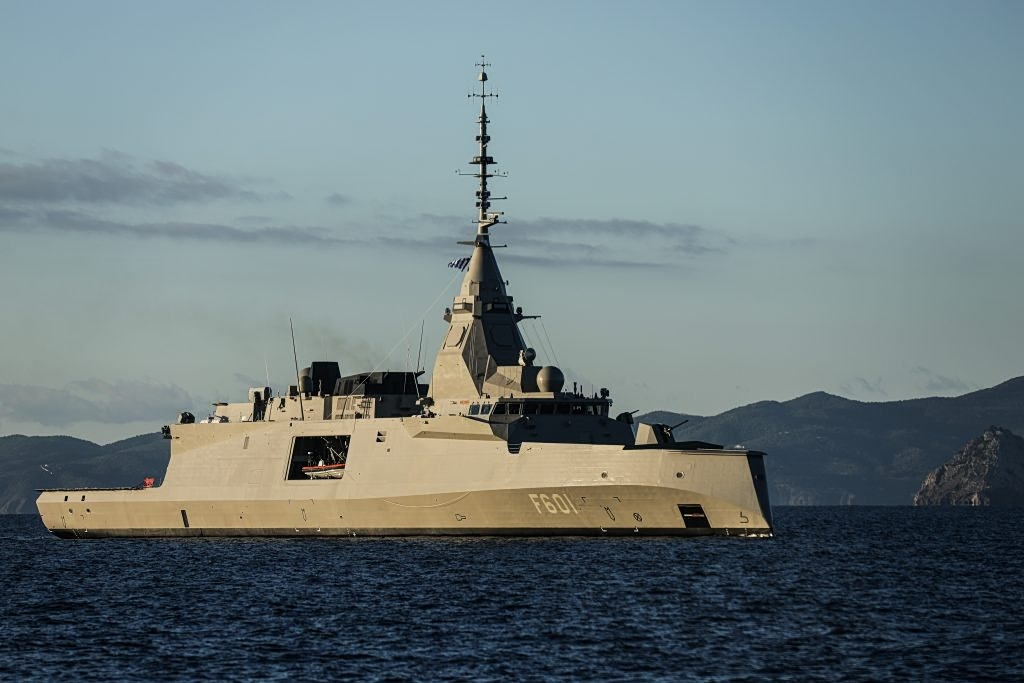
There have been media reports suggesting discussions between Berlin and Nicosia about possible German military support. Official confirmation has not emerged. According to one well-informed source, the German frigate currently deployed in the region as part of the UNIFIL mission could be drawn more deeply into the situation. But sending additional forces or equipment to Cyprus appears unlikely. What Germany can spare, one source says, is already earmarked for Ukraine.
Yet the risks are expanding. Tehran has warned European governments that any assistance to the United States or Israel will be treated as participation in the war. The danger of further escalation became clear this Wednesday when a ballistic missile heading toward Turkish territory was intercepted by NATO defenses. It marked the first time that a NATO member has been directly touched by the fighting.
The interception demonstrated that the alliance is prepared for such attacks. But it also underscored how easily the conflict could widen. Tehran has already fired missiles and drones at comparatively weak Gulf states and at Cyprus. Targeting Turkey carries a very different weight. Not only is Turkey a NATO member, with the theoretical option of invoking Article 5. It is also a regional military power that has repeatedly shown its willingness to use force beyond its borders. Ankara has already threatened with retaliation.
For President Recep Tayyip Erdoğan, the moment is particularly awkward. Until recently, he had offered to mediate between Iran and its adversaries. Tehran’s actions suggest it is not interested – at least not for now.
The consequences of war extend far beyond the Middle East. They also reach Ukraine. For Ukraine, the implications are grim. The United States is increasingly absorbed by the conflict with Iran, while Europe continues to prioritize support for Kyiv. This divergence plays directly into Vladimir Putin’s hands.
The longer the Middle Eastern war dominates Washington’s attention, the less pressure Russia faces. Higher global oil prices – another likely consequence of the crisis – could further strengthen the Kremlin’s war finances. Every additional day of war in the Middle East, in other words, is a bad day for Ukraine.
And for Europe, it is a reminder that the strategic landscape has changed – and not to its advantage.
Dr. Ronald Meinardus is a senior research fellow at the Hellenic Foundation for European and Foreign Policy (ELIAMEP).