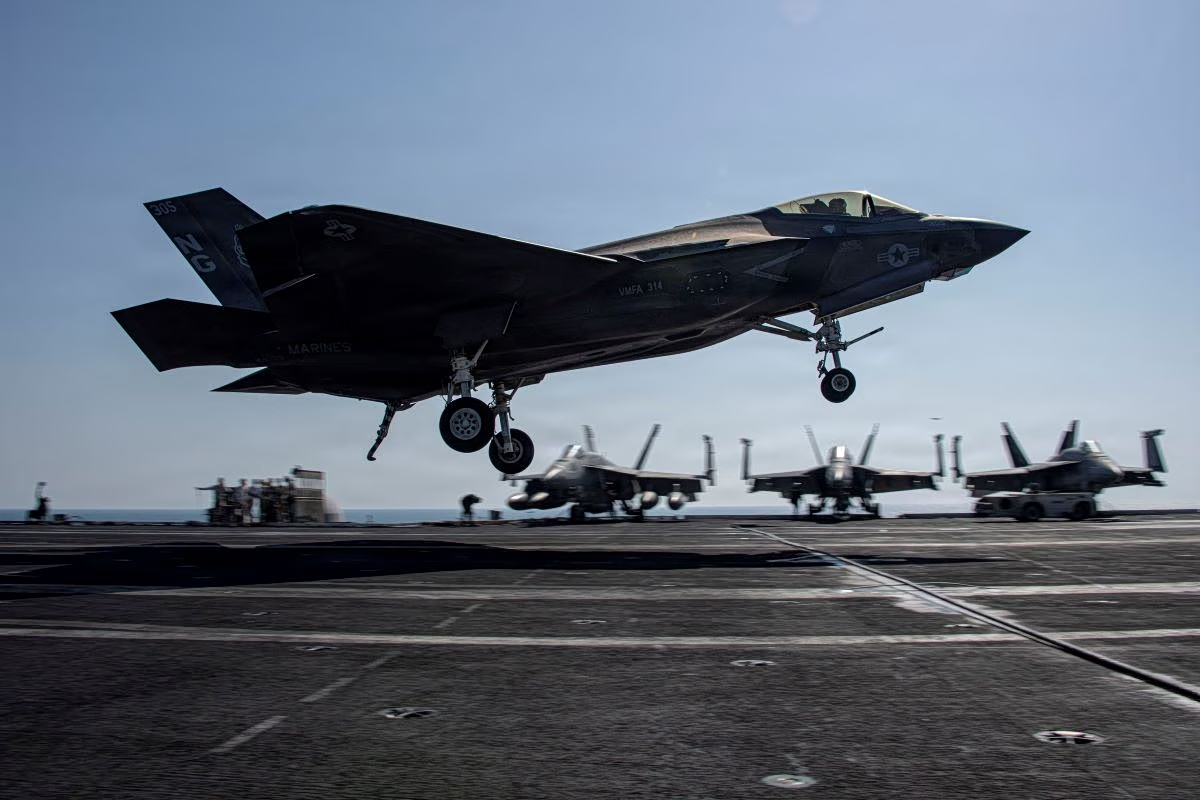
At a time when the two major problems—the war in Ukraine and the Middle East crisis—remain unresolved, with no serious prospects for their resolution, the leaders of the two superpowers continue to escalate their military threats. Trump is now threatening Maduro of Venezuela, sending menacing ultimatums and strong naval and air forces to the Caribbean, recalling the well-known “gunboat diplomacy” of the past in Latin America. Meanwhile, Putin declared that he is “ready for war” against Europe “if Europe wants to get involved.” In a clear attempt to widen the rift between the EU and the U.S., he accused Europe of “hindering the American government in its efforts to achieve peace in Ukraine,” confirming that the priority now is the immediate restoration of Euro-American unity in a joint approach to the Russian threat.
Trump, however, appears to insist on his threats against Venezuela and its leader Maduro, contributing to the dangerous expansion of international crises. While publicly Maduro appears relaxed, he is continuously strengthening both his personal security measures and those of his country, declaring that “we do not want peace of colonialism, but peace based on national sovereignty.” For years, Venezuela has been accused by Washington of being behind the flow of drugs flooding the U.S. market, while Maduro maintains that the primary cause of the crisis is Trump’s desire to seize Venezuela’s oil reserves.
It is certain that Europe, meanwhile, has long been facing a continuous flow of cocaine shipments, boosting the profits of drug traffickers from Venezuela and Colombia. This situation allows the Americans to accuse Europeans of refusing to cooperate with them in combating the phenomenon. The U.S. Secretary of State has even pointed out that Venezuela serves as a key transit hub for the drugs.
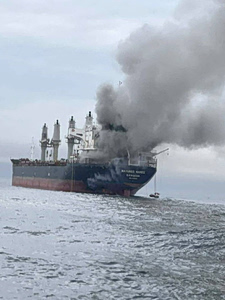
This is how the U.S. justifies its continuous attacks on ships transporting drugs in the Caribbean. Notably, the U.S. Secretary of War faced allegations that he ordered a second bombing to eliminate those rescued from a first strike on a ship allegedly carrying drugs.
After all this, it does not take much thought to realize that, after Ukraine and Gaza, a third extremely dangerous front is now opening in Latin America. Trump is escalating his threats, while the UN, whose role is supposedly to prevent or address international crises, remains silent once again. This demonstrates that the fate of the world now depends almost exclusively on uncontrolled powerful leaders like Trump and Putin, with Europe remaining powerless to intervene. The adoption of common decisions proves, once again, extremely problematic when the national interests of member states prevent a unified European plan, with all the negative implications this may have, particularly in today’s era.