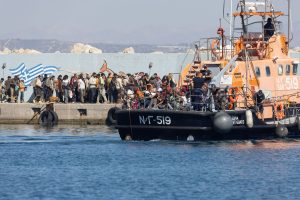
In a recent interview with the German newspaper Bild, Greek Prime Minister Kyriakos Mitsotakis announced a significant change to the country’s migration policy, suspending the examination of asylum applications from individuals arriving by sea from North African countries—particularly from Libya to the island of Crete. The move, described by the Prime Minister as “difficult but necessary,” is intended to combat smuggling networks and send a clear signal that “Greece is not an open corridor to Europe.”

Migrants attend to young migrant who collapsed in the temporary shelter staged in a municipal hall, in the town of Agyia on the island of Crete, Greece, July 10, 2025. REUTERS/Nicolas Economou TPX IMAGES OF THE DAY
A Message to Human Smuggling Networks
Facing a sharp rise in migration from North Africa, Mitsotakis stated, “We made the difficult but absolutely necessary decision to temporarily suspend the asylum application process for those arriving by sea from North African countries. This sends an unmistakable message to trafficking networks: Greece is not an open transit route. The journey is dangerous, the outcome uncertain, and the money paid to smugglers is ultimately wasted. Illegal entry will not lead to legal residence.”
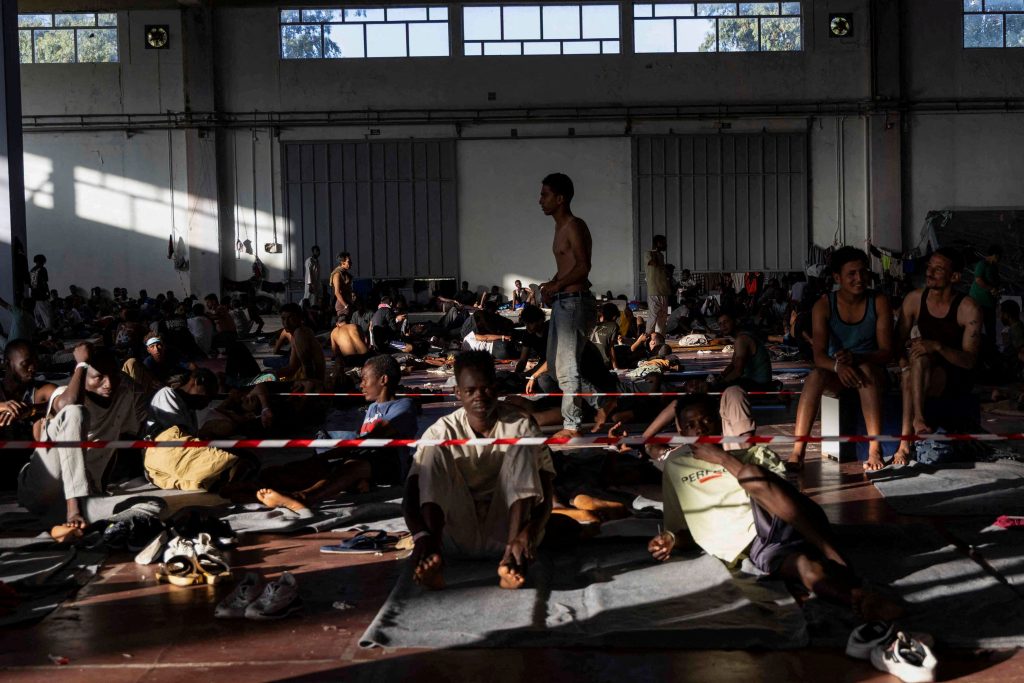
Newly-arrived migrants are sheltered in a municipal hall, in the town of Agyia, on the island of Crete, Greece, July 10, 2025. REUTERS/Nicolas Economou TPX IMAGES OF THE DAY
He emphasized that Greece remains committed to a fair but effective migration policy and called for stronger collective action at the European level.
Greece Pushes for a United European Response
“We are ready to work closely with Libyan authorities to stop these departures at their source,” Mitsotakis said. “But we also need a unified European response. This is not only Greece’s responsibility—it is Europe’s responsibility.” He reaffirmed that while Greece supports legal migration channels, the current situation requires immediate and decisive action.
Strong Reaction from German Media
The announcement drew significant attention in the German press. According to the German News Agency, the Greek government plans to suspend the examination of asylum claims for three months. German news site Merkur commented that “migration routes are once again being used as weapons. It sounds cynical, and it is—but it’s also reality.”
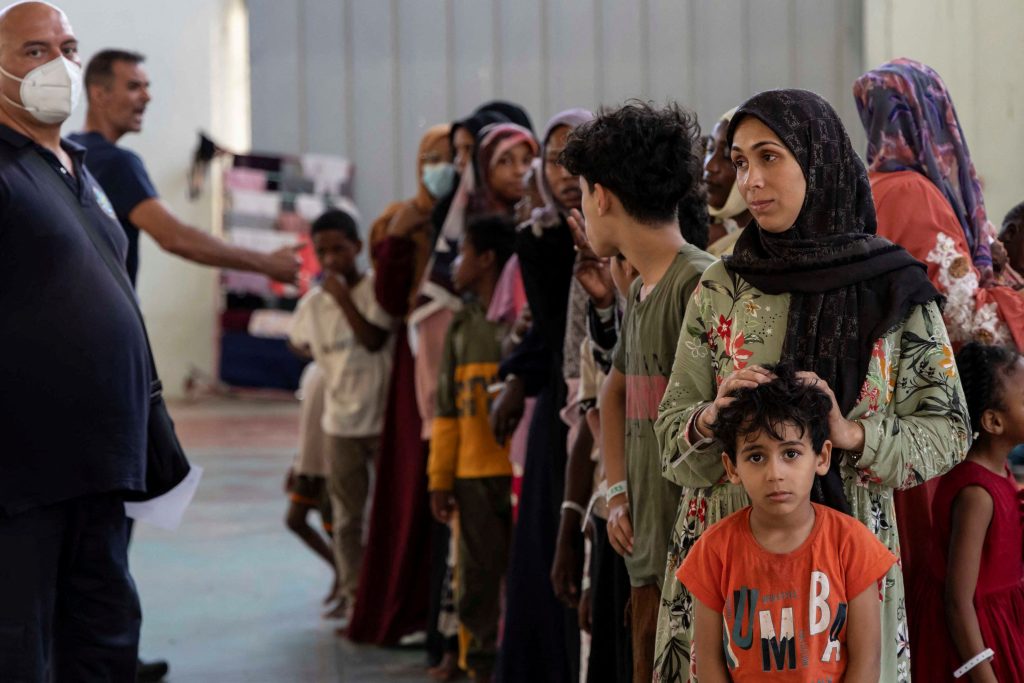
Newly-arrived migrants wait in line in their temporary shelter at a municipal hall in the town of Agyia, on the island of Crete, Greece, July 10, 2025. REUTERS/Nicolas Economou
The publication stressed the importance of European solidarity, particularly in providing care for migrants arriving in places like Crete and Gavdos. It also argued that medium-term solutions should include housing refugees in third countries and shifting toward “protection by the EU, not in the EU” to deter irregular migration and curb smuggling operations.
German Interior Minister Alexander Dobrindt is expected to raise the issue of stricter asylum regulations during the upcoming EU summit on migration.
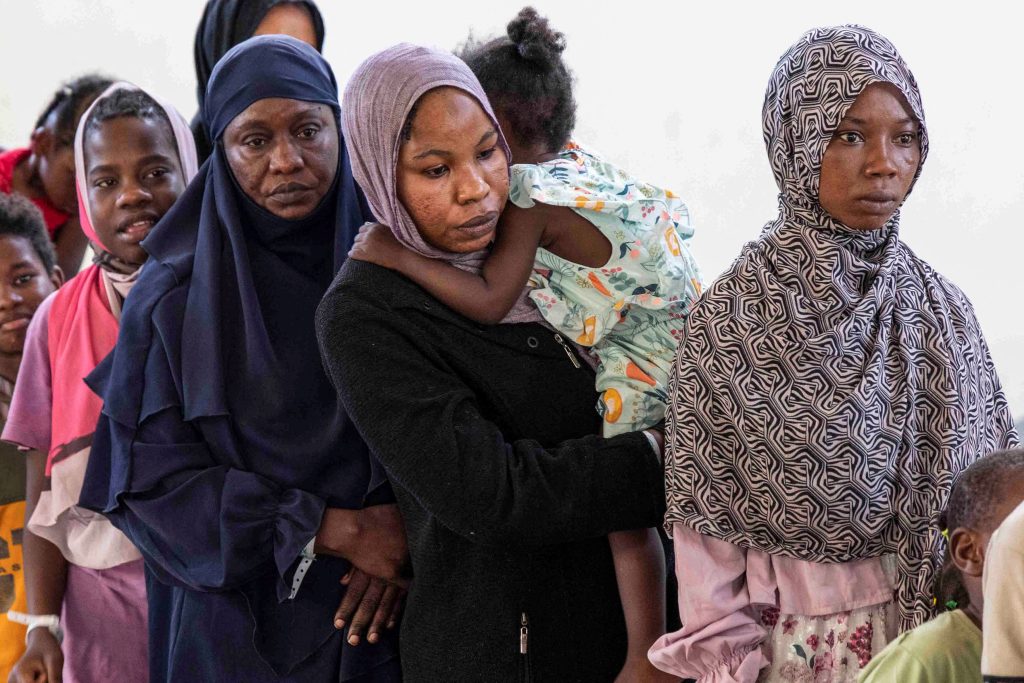
Newly-arrived migrants wait in line in their temporary shelter at a municipal hall in the town of Agyia, on the island of Crete, Greece, July 10, 2025. REUTERS/Nicolas Economou
Bild: A Controversial but Backed Decision
Germany’s Bild newspaper described the Greek move as a “bold decision” and claimed that asylum seekers from North Africa would be sent directly to Greek prisons, with a special facility reportedly planned on the island of Crete. While the tone of the article was dramatic, Bild noted that Germany applauds the move.
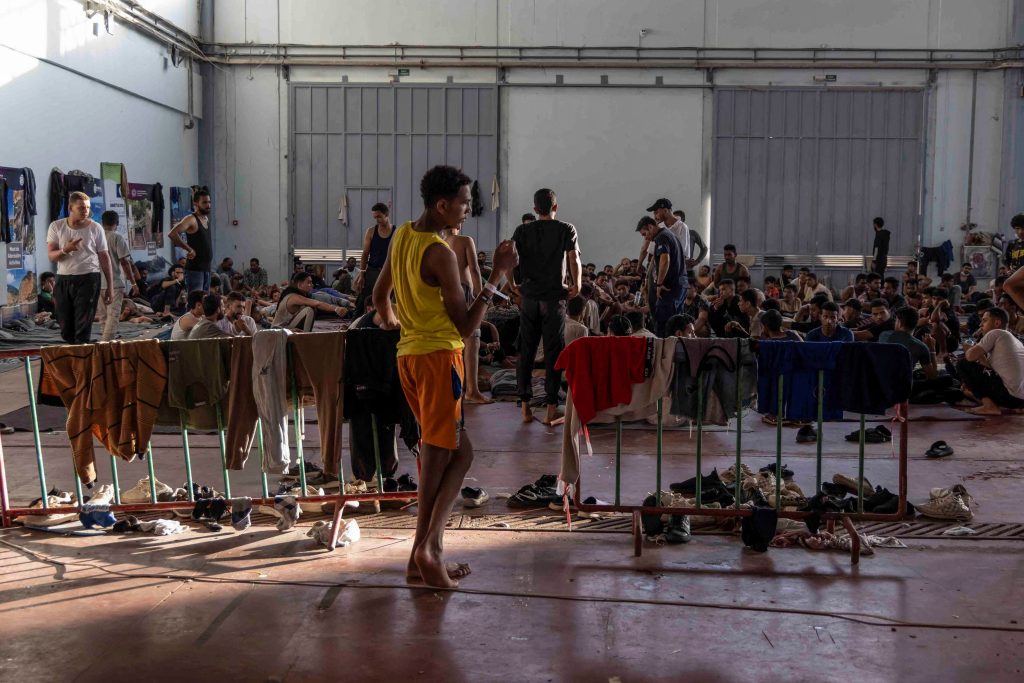
Newly-arrived migrants are sheltered in a municipal hall, in the town of Agyia, on the island of Crete, Greece, July 10, 2025. REUTERS/Nicolas Economou
Stephan Mayer, a political figure from Germany’s conservative CSU party, told Bild, “The Greek government’s decision reflects the intense pressure Europe is under. This is a cry for help from Athens and supports our long-standing position that Europe urgently needs to reform its migration approach.”
A Regional and European Challenge
This policy shift underscores the mounting pressure southern European countries face as frontline entry points to the EU. While the Greek government is taking unilateral steps to manage the situation, officials stress that a long-term solution must be shared across the continent.