With a fresh provocative statement directed at Athens, official Turkey again revisited its revisionist and belligerent rhetoric over what it claims is a “Turkish minority” in northeast Greece’s Thrace province.
In a statement issued on Wednesday and posted on X, the Turkish foreign affairs ministry referred to January 29 as the date designated by Turkey as the “Day of National Resistance and Social Solidarity of the Turks of Western Thrace.” According to the ministry, the day “symbolizes the process that marked the recognition of the national identity of the Turkish Minority of Western Thrace.”
The statement concludes with language viewed by Athens as particularly provocative, stressing that Turkey “continues to claim the rights of its compatriots on the basis of international law and treaties and will always defend them.”
The now official Turkish leitmotif, of course, directly contradicts the 1923 Treaty of Lausanne, which refers to the “Moslem Inhabitants of Western Thrace”, the only minority explicitly recognized in Greece, and specifically as a religious minority.
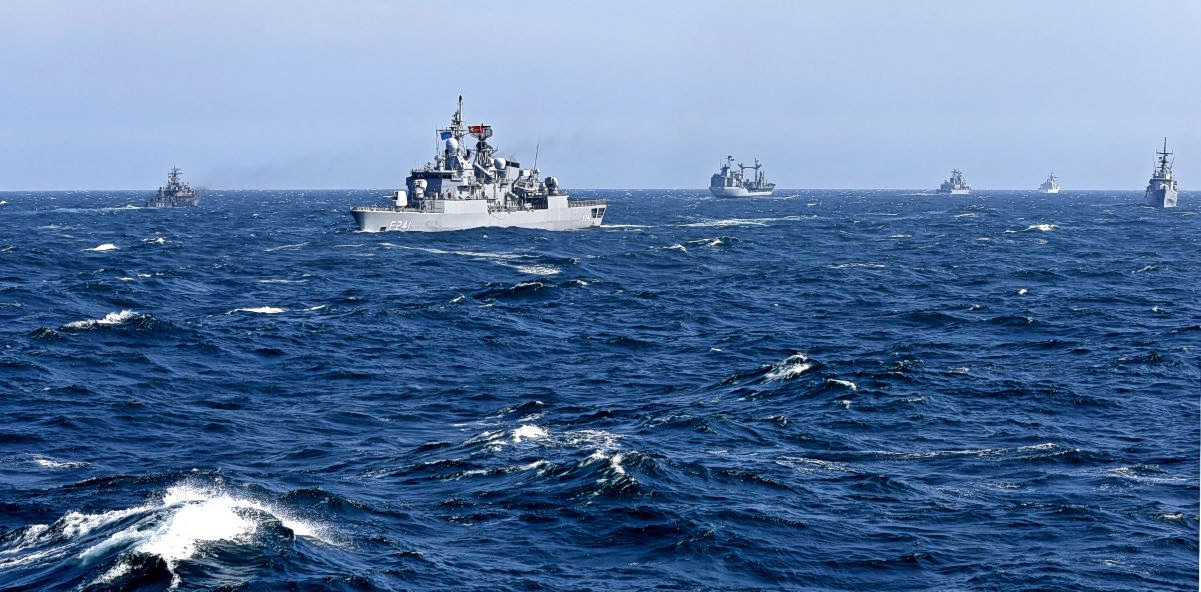
At the same time, Ankara continued its confrontational tone by commenting on reports in the Greek press concerning NAVTEX maritime advisories issued by Turkey in the Aegean. The Turkish defense ministry rejected claims that these advisories are valid for two years, arguing instead that they are of indefinite duration.
Speaking during the ministry’s weekly press briefing, Rear Adm. Zeki Akturk, Press Advisor and Spokesperson for the Turkish Ministry of Defense, described the disputed NAVTEX notices as “technical notifications” that, according to Ankara, are issued in response to what it characterizes as “illegal Greek activities in the Aegean.”
The Turkish side maintains that the advisories are intended solely to ensure maritime safety and cover sea areas which, under Turkish claims, fall within what Ankara considers as its hypothetical future “continental shelf” in half of the Aegean. It further insists that any research activity in maritime zones it considers its own must be carried out in coordination with Ankara.
Within the same framework, Turkey reiterated its long-standing positions on the demilitarization of various Greek islands, arguing that military exercises on islands with non-militarized status constitute violations of international treaties and, as it claims, pose risks to maritime security.
The treaties that Turkey cites, without mentioning them by name, or the provisions supposedly violated by Athens are: the 1923 Treaty of Lausanne; the 1936 Treaty of Montreux, and the 1947 Paris Treaty
Official Turkey also often refers to “violations of international law” when referring to maritime zones, but doesn’t stipulate what part of the UN Convention of the Law of the Sea (UNCLOS) is being “violated”.