Athens is preparing a major defense modernization package worth roughly five billion euros, with the highlight being the development and deployment of a multi-layered national air defense system known as the “Achilles’ Shield,” reportedly patterned on Israel’s “Iron Dome”, according to government sources ahead of discussion at a relevant parliamentary committee on Monday.
The initiative comes amid growing global concern about the effectiveness of air defenses amid the ongoing conflict in the Middle East, where the widespread use of ballistic missiles, drones and loitering munitions has highlighted vulnerabilities in traditional air defense systems. Countries such as Israel, which operate advanced systems alongside US-made THAAD and Patriot platforms, have achieved interception rates exceeding 85 percent against incoming aerial threats.
Greek officials say the new program aims to establish a similar layered protective network capable of defending the country against ballistic missiles, cruise missiles, UAVs, kamikaze drones and other airborne threats.
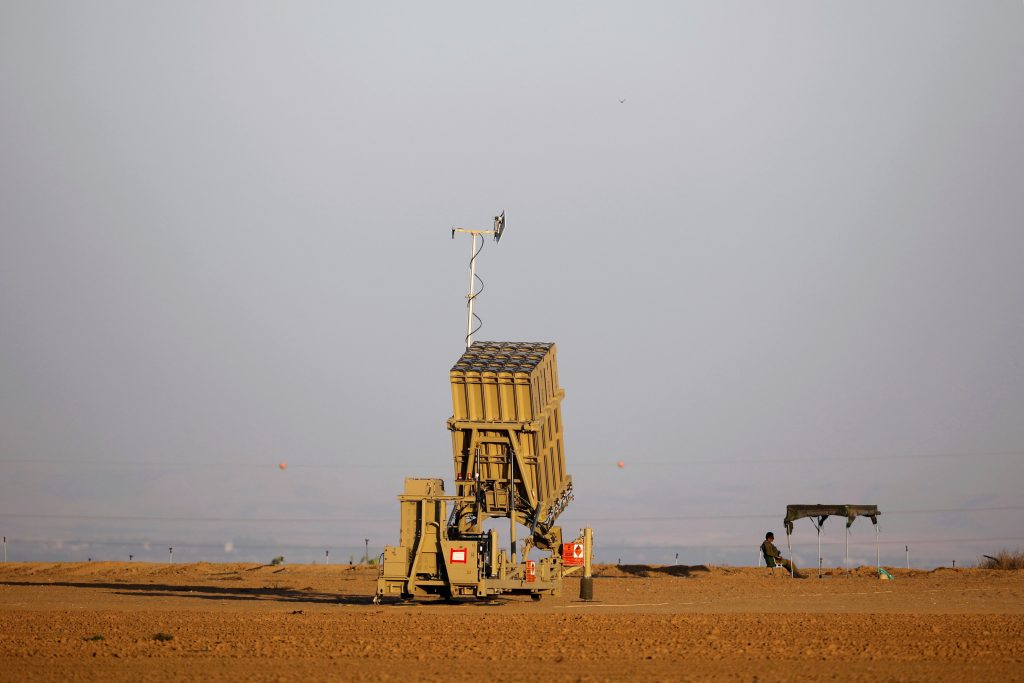
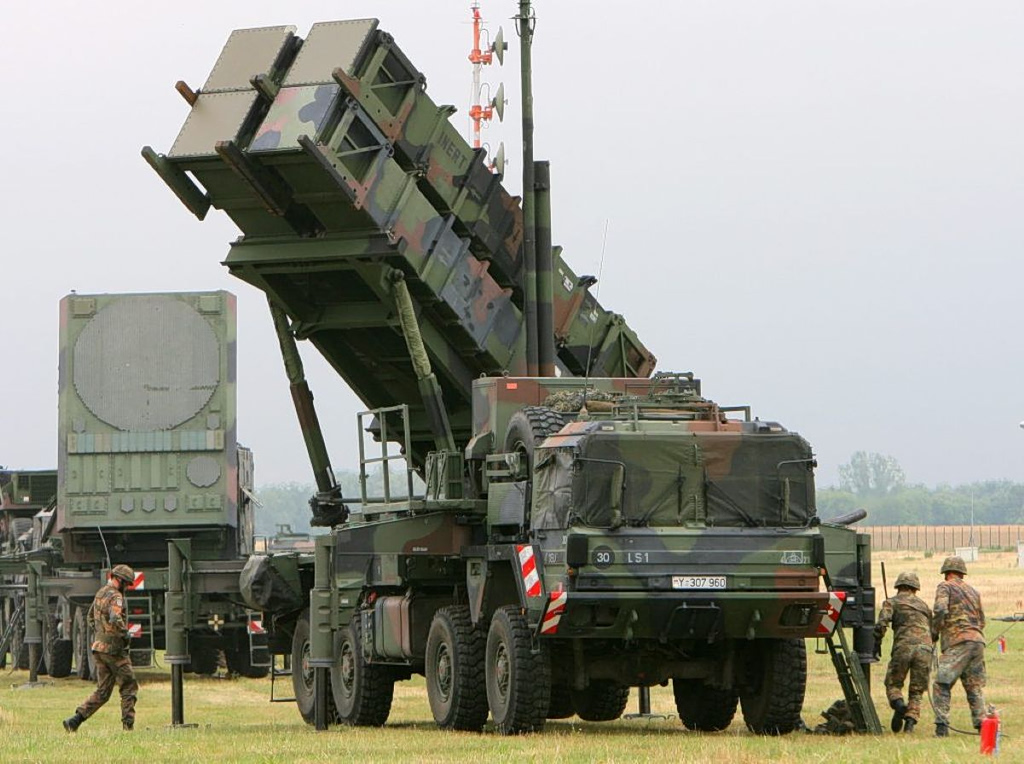
Anti-Aircraft System
Multilayered Air Defense Network
The “Achilles’ Shield” project, estimated to cost nearly three billion euros, will form the centerpiece of the defense package. The system is designed to cover the entire Greek territory – land and sea – and operate as an integrated network combining sensors, radars and missile-defense platforms.
According to the plan, the shield will incorporate Israeli systems such as the Spyder AIO, Barak MX and David’s Sling, supported by the ELM-2084 radar, which will serve as the primary platform for detecting and tracking aerial targets. These systems will operate alongside Greece’s existing Patriot missile batteries and a network of sensors deployed across islands in the eastern Aegean.
All components will be coordinated under the newly established Joint Unified Air Defense Command of the Greek National Defense General Staff, created earlier this year to integrate the country’s air defense capabilities.
Fighter Jet Upgrades
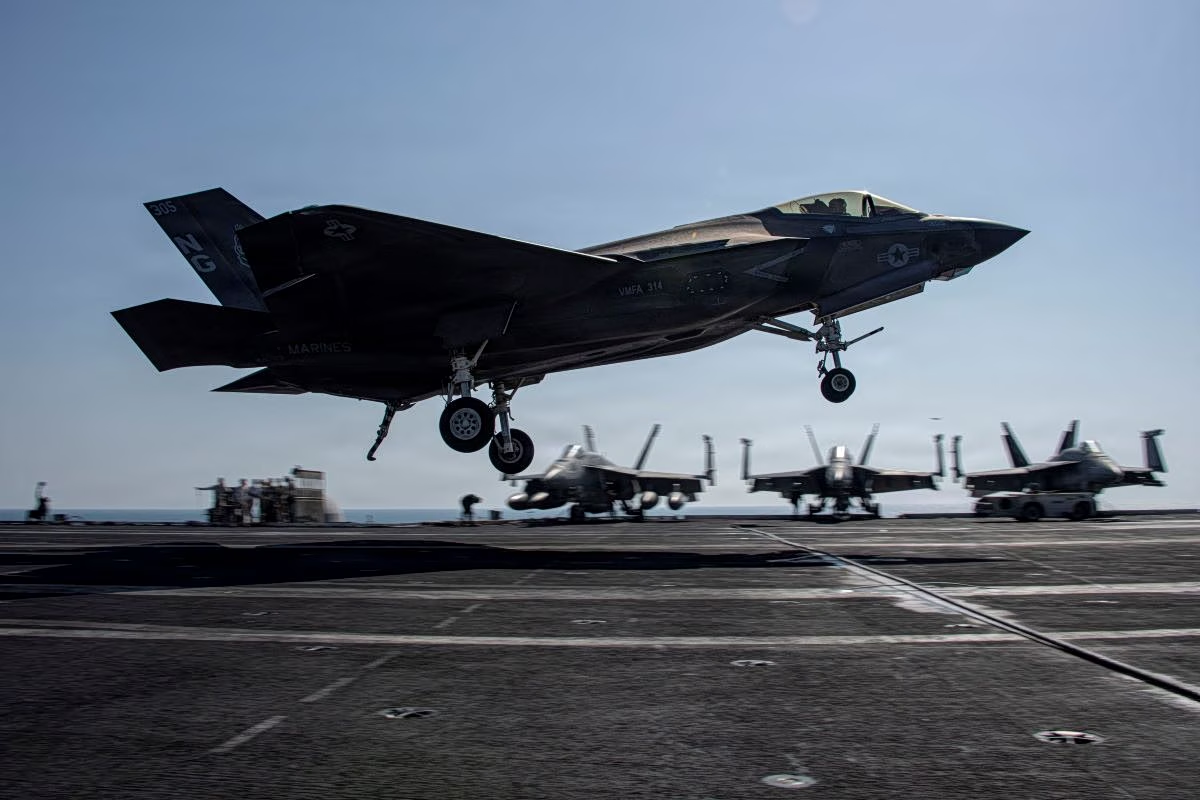
Another major component of the package is the upgrade of 38 F-16 Block 50 fighter jets to the more advanced Viper configuration. The modernization program, valued at approximately 1.1 billion euros, will significantly strengthen the backbone of the Hellenic Air Force’s warplane fleet.
The upgrade includes a new radar system, an advanced mission computer, certification for advanced precision weapons, and the integration of the Link-16 data link, allowing the aircraft to exchange real-time operational data with the French-made Rafale jets, future US-made F-35 fighters, and other modern military systems such as the FDI-class frigates.
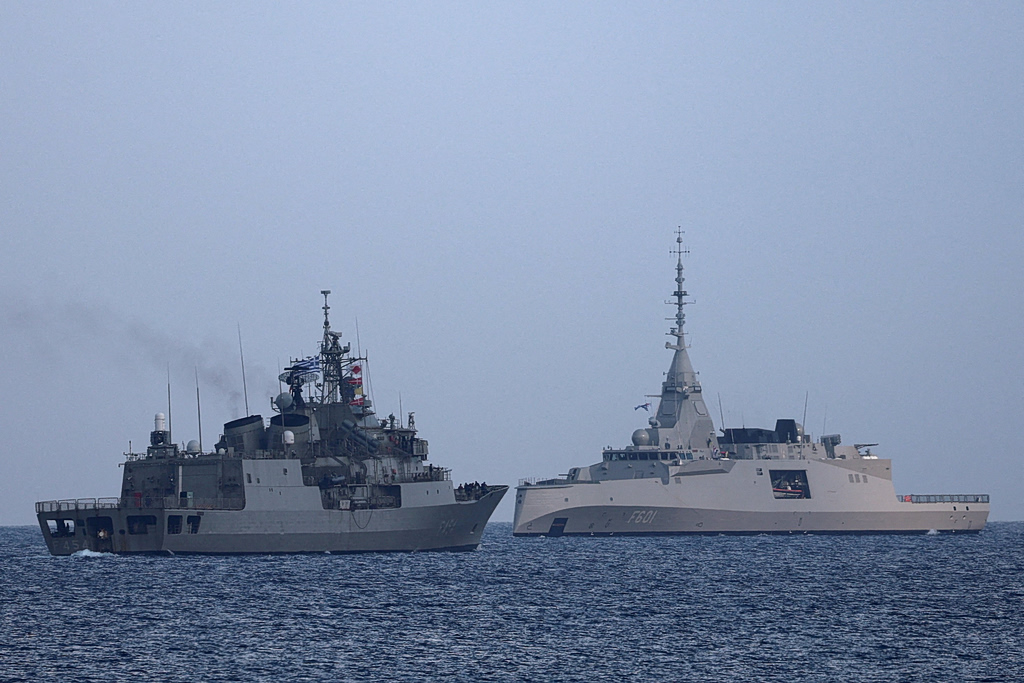
The Greek frigates “Kimon”, right, and “Psara” near the port of Limassol, Cyprus, March 4, 2026. REUTERS/Yiannis Kourtoglou
Transport Aircraft
The government also plans to sign a five-year, 240-euro million support contract for a squandron of C-27J Spartan transport aircraft. These smaller transport planes have played a critical logistical role in recent years, particularly as Greece’s larger C-130 transport aircraft have experienced maintenance and parts availability issues.
The support agreement will help restore the operational readiness of the transport arm and includes limited modernization work to ensure continued manufacturer support.
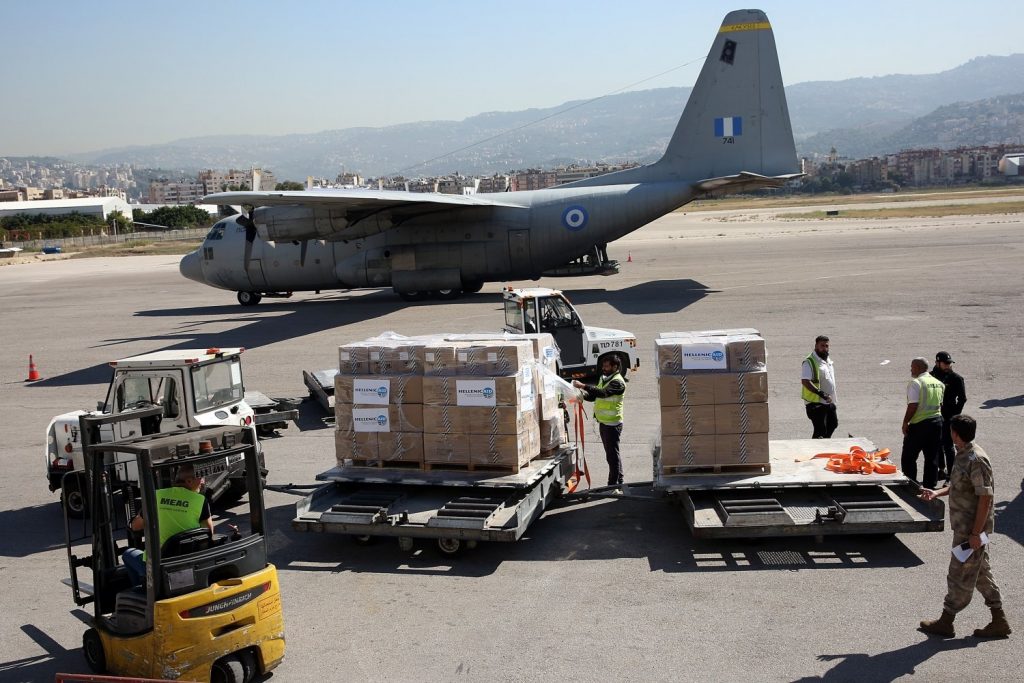
A view of a Hellenic Air Force C-130 “Hercules” transport plane.
Preparing for the F-35
In addition, the defense ministry will present infrastructure projects required at the 117th Combat Wing at the Andravida air base in southwest Greece to prepare for the arrival of F-35 stealth fighters.
The works, expected to cost less than 300 million euros, include the construction of new maintenance facilities, hardened aircraft shelters, reinforced perimeter security and upgraded cybersecurity systems, all designed to meet US security standards for operating the advanced aircraft.
Next Steps
Approval by the parliamentary armaments committee would clear the way for authorization by the Government Council for Foreign Affairs and Defence (KYSEA). The programs would then return to Parliament for final ratification before contracts are signed by the General Directorate for Defense Investments and Armaments.
Greek officials stress that the package represents one of the most ambitious defense modernization efforts in recent years, aimed at strengthening the country’s deterrence and adapting to evolving threats in the region.