Athens is watching developments in the Middle East with growing concern.
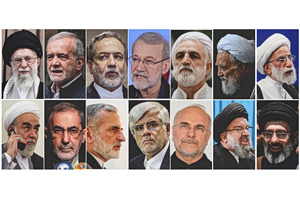
The escalating confrontation involving Iran, the United States, and Israel has triggered a diplomatic alert in Greece, as officials struggle to assess the potential fallout of a conflict whose trajectory remains uncertain.
Key variables—such as the duration of military operations—remain unknown, making it difficult to predict the scale and intensity of the consequences for Greece and the wider Eastern Mediterranean.
Diplomatic Alert and High-Level Activity
From the very first moment, Athens moved into high gear.
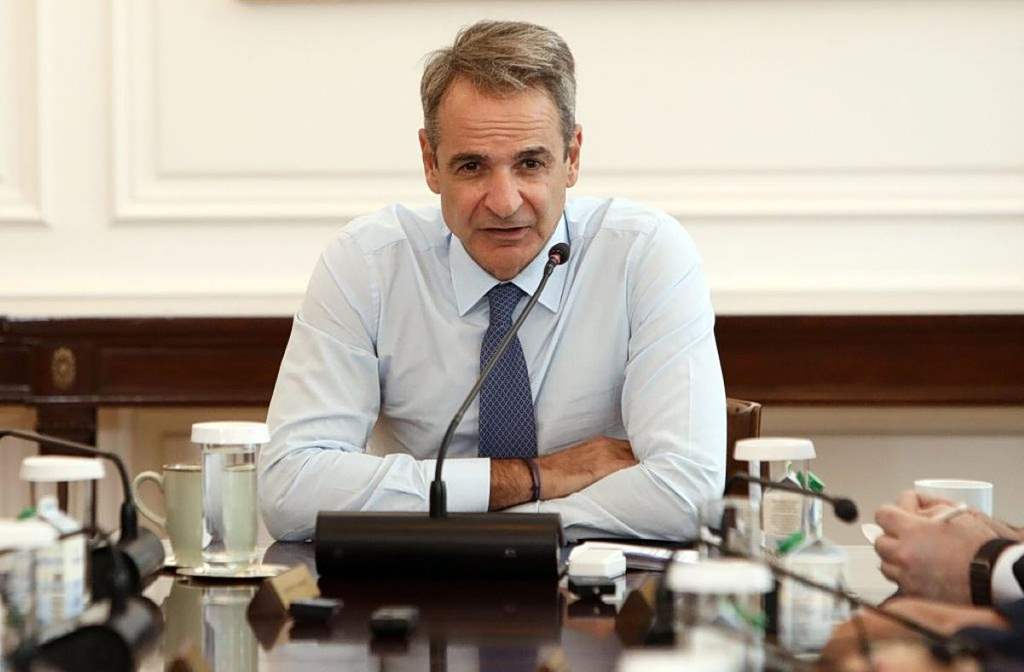
Prime Minister Kyriakos Mitsotakis, Foreign Minister Giorgos Gerapetritis, and Defense Minister Nikos Dendias have all engaged in a flurry of contacts, alongside emergency intra-government coordination and outreach to Gulf states and European partners.
Greece is once again walking a diplomatic tightrope—making clear it has no involvement in military operations, while emphasizing that the safety of Greek citizens in the region is its top priority.
Multi-Level Impact Under Review
The first potential impacts—across geopolitical, diplomatic, and security levels—were assessed during an emergency meeting of the Government Council for Foreign Affairs and Defense (KYSEA), chaired by Mitsotakis at the Maximos Mansion (the Greek prime minister’s office).
However, whether Greece will face deeper, multi-layered consequences depends on how events unfold—especially whether further escalation can be avoided.
Five Key Areas of Concern
Athens has identified five major risk fronts:
Maritime Security
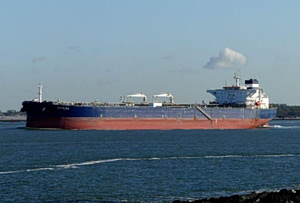
Authorities are in constant communication with Greek-owned vessels operating in the Strait of Hormuz and the Persian Gulf.
“Our steady goal,” Mitsotakis has stated, “is to ensure freedom of navigation.”
There are concerns that worsening conditions in the Strait of Hormuz—a critical global oil transit route—could drive up shipping costs.
Energy
There is clear anxiety over global economic repercussions, particularly rising energy costs.
Experts warn that any instability in the Persian Gulf creates conditions for sharp increases in oil and natural gas prices.
Tourism
A prolonged crisis could directly hit Greece’s “heavy industry”—tourism.
Not only Greece, but the entire Eastern Mediterranean risks being perceived as an unstable region, especially by visitors from the United States and Asia.
Trade
According to Vassilis Korkidis, President of the Piraeus Chamber of Commerce and Industry, delays in goods arriving from Asia via the Suez Canal are already affecting supply chains, manufacturing, and retail.
“Import costs for energy, raw materials, and technology products are rising,” he notes, “while uncertainty is increasing for exports to Middle Eastern and North African markets.”
Migration
Greek authorities are also assessing scenarios involving increased migration flows toward Greece.
In this equation, Turkey is expected to play a key role.
“De-escalation and Diplomacy”
Athens is framing its response around a dual approach: de-escalation and diplomacy.
It stresses the need to protect civilians and uphold international law, while also recognizing the importance of effectively monitoring Iran’s nuclear and ballistic programs to prevent the acquisition of nuclear weapons and preserve regional stability.
Evacuation Plans and EU Coordination
During a teleconference with Greek embassies and consulates in Iran and across the Middle East, Foreign Minister Gerapetritis was briefed on the extremely difficult conditions on the ground.
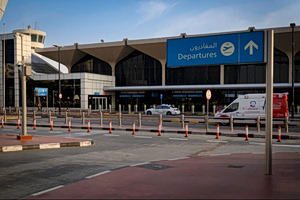
He instructed diplomatic missions to prepare for the safe evacuation of Greek citizens as soon as air travel becomes possible again.
The issue of repatriation was also raised by Greece during an emergency teleconference of EU foreign ministers, chaired by Kaja Kallas.
Greece’s Core Positions
Greece’s stance in the unfolding crisis centers on:
- Effective control of Iran’s nuclear and ballistic programs
- Safeguarding maritime security
- Respect for international law and human rights
- Solidarity with allies in the Gulf
- Preventing the spread of disinformation