Competitiveness, the multiannual financial framework, the situation in Ukraine and recent dire developments in the Middle East, among others, will dominate the agenda of the upcoming European Council summit, which comes amid significant geopolitical uncertainty.
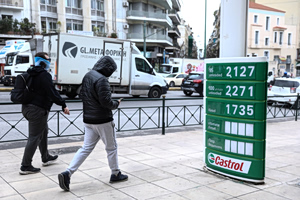
According to government sources in Athens, Greek Prime Minister Kyriakos Mitsotakis is expected to emphasize the importance of lessons learned from the 2022 energy crisis, following Russia’s invasion of Ukraine. Mitsotakis is expected to highlight that Europe must prioritize the purchasing power of citizens, which reflects competitiveness, and that the EU should have a contingency plan to provide for temporary, targeted support to businesses and households if necessary.
Athens has expressed cautious support for proposals outlined in a letter from European Commission President Ursula von der Leyen to EU leaders, while stressing that the current crisis—driven by higher gas and emissions prices—requires measures that do not add extra burdens.
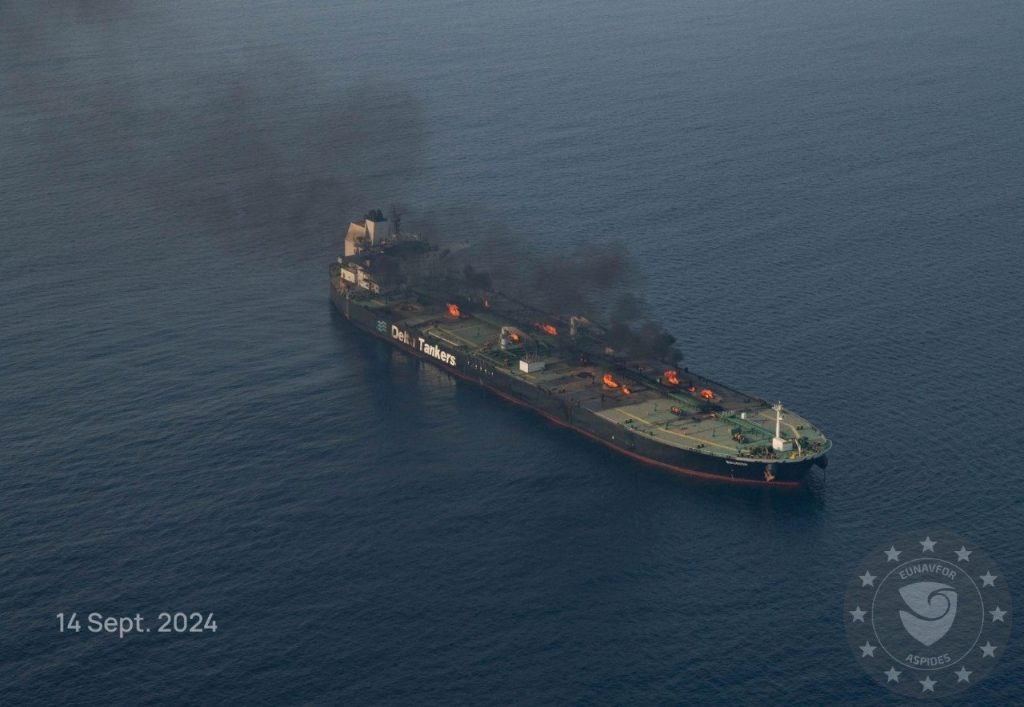
Flames and smoke rise from the Greek-flagged oil tanker Sounion, which has been on fire since August 23, after an attack by Houthi militants, on the Red Sea, September 14, 2024 in this handout image. EUNAVFOR ASPIDES/Handout via REUTERS THIS IMAGE HAS BEEN SUPPLIED BY A THIRD PARTY. MANDATORY CREDIT. TEXT AND LOGO PROVIDED AT SOURCE
Regarding the situation in the Middle East, Mitsotakis will reiterate Greece’s support – dispatching warships and fighter planes – to the Republic of Cyprus, later joined by other EU members, as a demonstration of European solidarity. Officials point to a precedent and underscores the geopolitical importance of the eastern Mediterranean.
Government sources added that current developments in the region vindicate the Greek side’s calls at previous European Council meetings for a “360-degree” EU defense strategy, ready to address threats on both the eastern and southern borders. European security, they maintain, is closely tied to stability in the Middle East, as illustrated by Cyprus, an EU member facing security threats.
Athens has repeatedly emphasized that the EU should aim for a diplomatic solution with Iran, addressing all aspects, particularly Tehran’s nuclear and ballistic programs.
Greek officials also emphasize that the country is not involved in military operations and does not plan to participate in any potential operation in the Strait of Hormuz. In previous European operations in regional waterways, only Greece and Italy contributed forces to an EU operation.