Greek Prime Minister Kyriakos Mitsotakis on Thursday stressed the growing need for Europe to invest in its strategic autonomy, following an emergency European Union summit in Brussels focused on developments surrounding Greenland and broader transatlantic relations.
In remarks delivered late at night after the summit, Mitsotakis said recent events have underscored long-standing concerns about Europe’s capacity to act cohesively and independently, particularly in matters of security and global influence. At the same time, he emphasized the importance of maintaining functional and constructive relations with the United States.
Managing Strains in EU–US Relations
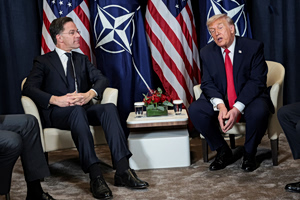
Responding to questions about Washington’s increasingly confrontational rhetoric, Mitsotakis acknowledged that transatlantic relations have experienced turbulence over the past year. However, he said all sides recognize the need to preserve cooperation and avoid actions that could lead to irreversible consequences.
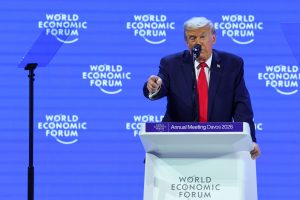
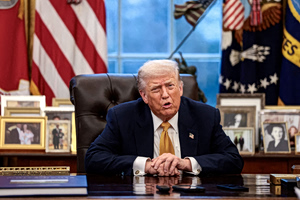
He noted that tensions appeared to ease slightly after U.S. President Donald Trump clarified that he would not impose additional tariffs on countries that openly supported Greenland, and ruled out the use of military force over territory belonging to the Kingdom of Denmark.
According to the Greek prime minister, clear boundaries and mutual understanding are essential. He pointed to statements by the President of the European Council as reflecting the shared position of EU leaders on the need for predictability and restraint.
Greece’s Role as a Stabilizing Bridge
Mitsotakis reiterated that Greece, as an EU member state with a strategic relationship with the United States, has a vested interest in de-escalating tensions and promoting solutions of mutual benefit. He described Greece as a potential bridge between Europe and Washington, grounded in multilateralism and international law.
He also highlighted Greece’s current role as a non-permanent member of the United Nations Security Council, saying this reinforces its commitment to a rules-based international order that ultimately benefits both Europe and the United States.
Arctic Security and Greenland
Although geographically distant from the Arctic, Mitsotakis said the region remains a critical priority for NATO and global security. He stressed the need for cooperation within NATO to prevent increased influence by China and Russia in strategically important areas such as Greenland.
At the same time, he was unequivocal on sovereignty issues, stating that there is no question of challenging Greenland’s territorial integrity. Only Greenland and Denmark, he said, have the right to decide the island’s future, a position fully supported by the European Union.
Europe’s Strategic Autonomy
Asked what lessons the EU should draw from the Greenland crisis, Mitsotakis said the need for European strategic autonomy has now become a widely accepted principle. He pointed to progress made since the issue was first raised at the Versailles Conference, particularly in defense cooperation and funding.
However, he stressed that autonomy extends beyond defense. Strengthening Europe’s competitiveness, he said, is equally vital if the EU is to have a stronger voice on the global stage. “Europe’s influence will grow as its strength grows,” he noted, adding that the goal should be to translate shared values into real power.
Support for Denmark
Finally, Mitsotakis confirmed that Denmark has the full backing of the European Union in any decisions it takes regarding Greenland. While discussions between Denmark and the United States may continue within NATO frameworks, he said EU unity on the issue has been swift and unequivocal.
The Greek prime minister concluded that Europe must remain united, calm, and proactive—strengthening its own capabilities while continuing to work closely with its transatlantic partners.