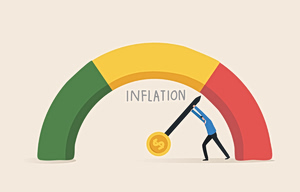
Inflation came in at 3.4% in July, easing slightly from the prior month. Still, the picture behind the headline number shows that pressure on household budgets remains strong. The steepest price increases are concentrated in expenses that are hard to cut back on, such as housing, fuel, transportation, rent, and dining out.
According to figures released by the Hellenic Statistical Authority (ELSTAT), annual inflation stood at 3.4% in July 2026, down from 4.4% in June. On a monthly basis, the Consumer Price Index fell by 1.4%, an outcome largely driven by summer sales. At the same time, however, average inflation for the twelve-month period from August 2025 to July 2026 climbed to 3.3%, up from 2.6% in the same period a year earlier.
Inflation: Housing and Transport Lead Price Increases
The heaviest weight came from housing, where prices in July were up 8.8% compared to a year earlier. According to ELSTAT, this category also had the largest positive impact on the overall index, contributing 1.33 percentage points.
Transportation followed with a 7.4% increase, while prices in the hotels, cafes, and restaurants category rose by 5.8%. Clothing and footwear were more expensive by 3.3%, education by 2.8%, health by 1.1%, and food overall by 0.4%.
The housing figures in particular show that the cost of living remains one of the biggest sources of pressure. Home rents rose 6.8% over the year, home repair and maintenance costs rose 4.8%, and various home-related services rose 5.5%. Natural gas was more expensive by 16.7%, while heating oil posted a striking annual increase of 53.2%. Electricity, by contrast, fell by 2.2%.
What’s Happening With Food Prices
The overall food index shows a relatively limited increase of just 0.4%, but that number conceals wide variation underneath.
Beef prices rose 14.3%, lamb and goat 12.4%, salted fish 9.6%, margarine and other vegetable fats 8.6%, pork 3.4%, and dairy and eggs 2.9%.
Sharp declines in other categories held down the overall food picture. Olive oil was cheaper by 21.7%, fruit by 9.4%, ice cream by 8.8%, and vegetables by 1.5%.
New Pressure From Fuel and Transportation
The impact of fuel costs is now especially pronounced. Diesel prices are 22.1% higher than in July 2025, while gasoline has risen 13.3%.
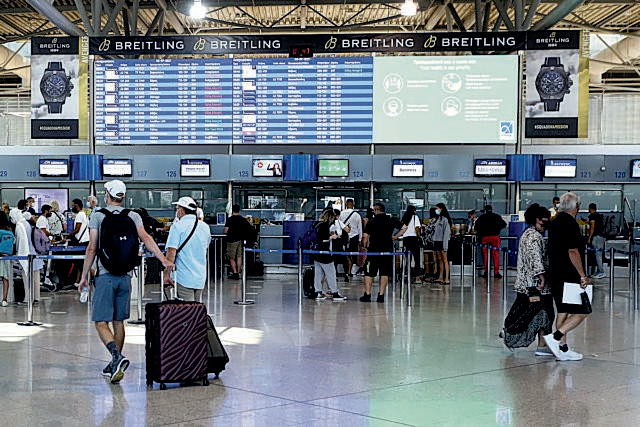
The burden is even greater for air travelers, as airfare has risen 17.5% over the past year.
The pressure on fuel isn’t limited to the annual comparison either. In just one month, from June to July, diesel prices rose 12.1%, while airfares climbed 13.7%.
Dining Out Now Costs 6.4% More
High prices remain noticeable in services as well. Prices at restaurants, pastry shops, fast-food outlets, and cafeterias rose 6.4% year over year, while vacation packages became 6.2% more expensive.
Insurance costs also increased. Health insurance premiums rose 7%, vehicle insurance rose 1.9%, and hairdressing and personal care services became 4.2% more expensive.