The phone lights up. A drinks invitation. Party dates. Birthday photos already unfolding without you. Snapshots from a trip you couldn’t take. At the same time, a deadline looms, emails wait for replies, and your body quietly asks for rest.
This is the low-grade hum of modern life: the persistent sense that we’re falling behind, mismanaging our time, failing to show up somewhere we ought to be. It isn’t only professional pressure. Beneath the surface often lies something subtler and more primal—the fear that something meaningful is happening elsewhere, without us.
@iStock
FOMO—Fear of Missing Out—acts as a psychological accelerant. In a world where other people’s lives stream past in real time, absence rarely feels neutral. It feels like loss. While the term may sound digital-age, its roots run deeper. Human beings are wired for belonging. For early societies, acceptance meant safety; exclusion could be fatal. Our brains still register social omission as a threat.
Social media amplifies this ancient circuitry. There is always something happening: spontaneous nights out, career milestones, sunlit holidays, celebrations marked and shared instantly. Life appears to move at relentless speed. Meanwhile, daily reality demands time and energy—work, responsibilities, relationships, health. We attempt to juggle it all. Inevitably, we cannot.
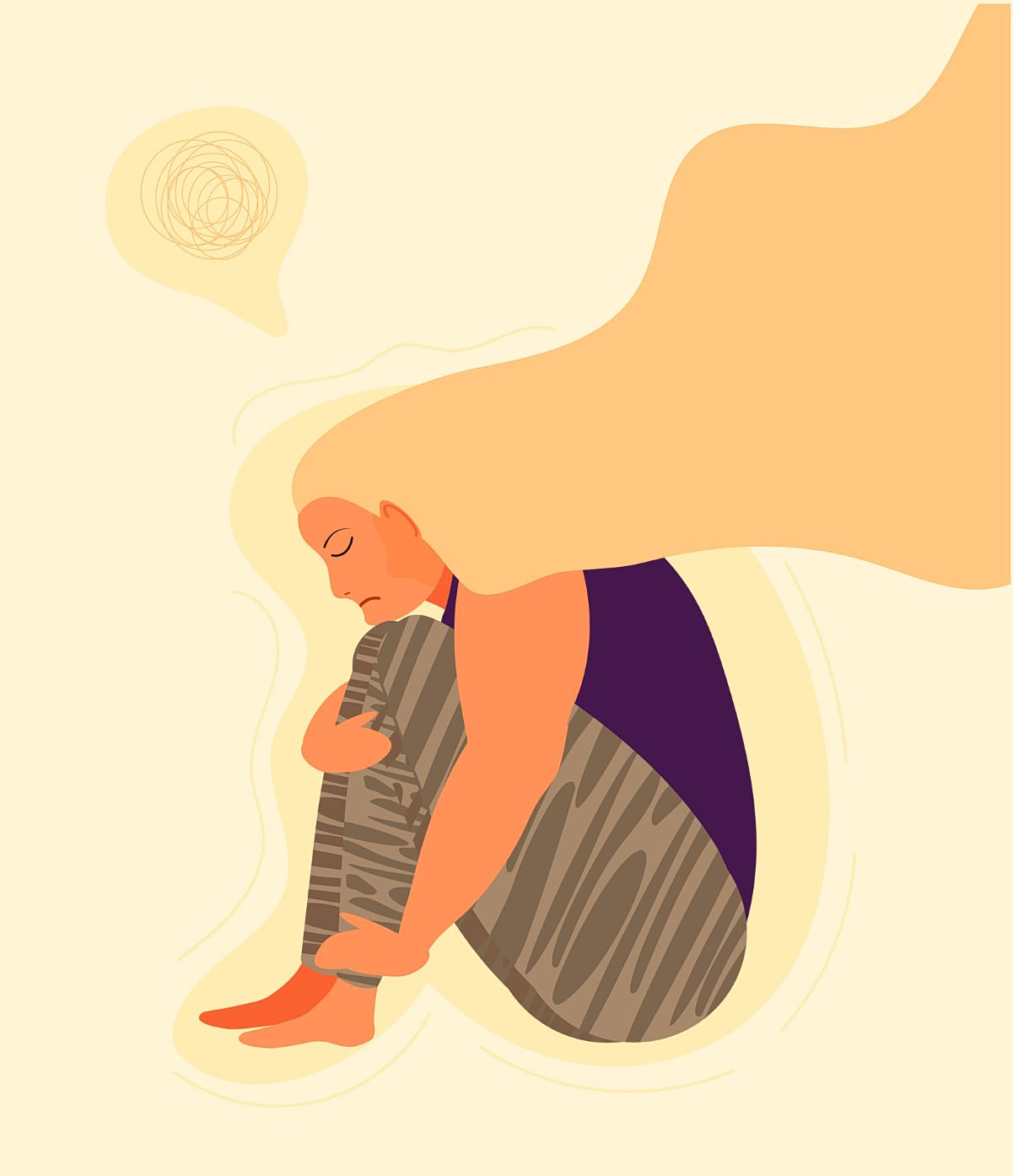
Yet each pause is swiftly illuminated by the screen: something occurred without you. You weren’t there at the right moment. You missed it. Even as you strive to meet every obligation, a quiet dissatisfaction lingers—something slipped through. Over time, the effort to keep pace can tip into burnout. Not only from workload, but from the fear of forfeiting experiences, opportunities, connection. We overcommit. We compress our schedules. We try to be everywhere.
@iStock
Even when we set boundaries and say the necessary no, doubt creeps in. Could we have managed differently? Done more?
FOMO is not merely about social events. It is the collision between finite time and infinite possibility—the comparison of ordinary life, with its limits and fatigue, to a curated stream of moments that all seem urgent and essential.
In an age of hyperconnection, the fear of missing out has become ambient. Perhaps maturity lies not in erasing that fear, but in accepting that every choice implies absence. Real freedom may be the ability to let something pass—and remain fully present where we are.