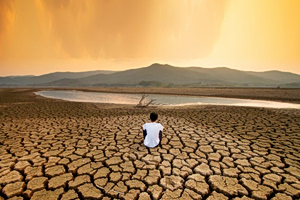
Climate change is emerging not only as an environmental challenge but also as a growing source of psychological stress. Alongside everyday pressures such as work and personal responsibilities, many people are increasingly experiencing anxiety linked to environmental uncertainty.
This “eco-anxiety” is driven by concerns about the future of the planet, including wildfires, extreme temperatures, and the living conditions of future generations. Experts emphasize that this emotional response is not a disorder, but a natural reaction to real and ongoing global threats.
A natural stress response
Anxiety serves a protective function in the human brain, helping people anticipate and respond to danger. In the case of climate change, worry arises from the ability to foresee long-term risks. Because the climate crisis is real and visible, this form of concern can be considered a healthy psychological response.
However, it is also common for individuals to feel powerless. Unlike everyday problems, climate change is complex and cannot be solved through individual action alone, which can intensify feelings of helplessness.
Emotional pain vs psychological burden
A key distinction is made between emotional pain and psychological burden. Pain is an unavoidable part of human experience, while burden depends on how people respond to that pain.
For example:
- Pain: anxiety about environmental degradation
- Burden: excessive exposure to negative news, self-blame, or avoidance behaviors
Understanding this difference is considered an important step in managing climate-related stress.
Thought patterns and coping mechanisms
High levels of anxiety can lead to distorted thinking patterns, such as believing that “everything will go wrong” or that “nothing can be done.” These are known as cognitive distortions.
One recommended approach is to identify, evaluate, and reframe such thoughts into more balanced perspectives. This helps reduce emotional intensity and improve mental clarity.
Staying grounded in the present
When anxiety becomes overwhelming, focusing on the present moment can be beneficial. Activities such as physical exercise, deep breathing, gratitude practices, and spending time in nature can help reduce stress and reconnect individuals with their immediate environment.
Small actions, meaningful impact
While no individual can resolve the climate crisis alone, small everyday actions—such as adopting sustainable habits or supporting environmental initiatives—can create a sense of purpose and control.
Even modest contributions can strengthen emotional resilience by reinforcing the feeling that personal choices still matter.
The value of taking breaks
Psychologists also emphasize the importance of stepping away from stress when needed. Taking breaks through leisure activities or social interaction can help restore emotional balance and prevent mental fatigue.
Ultimately, while uncertainty is an unavoidable part of modern life, it does not prevent people from living meaningfully in the present. Climate-related anxiety is a normal response—but with awareness, balance, and practical coping strategies, it can be managed in a healthy way.