Grief and anger grip the central Greek city of Trikala following a deadly factory explosion that killed five women during a night shift, as investigators widen their probe and survivors prepare to testify about the conditions leading up to the blast.
The explosion occurred early Monday at a biscuit manufacturing plant, killing the women instantly, according to authorities. One victim remains formally unidentified, while the bodies of the deceased were transferred for DNA analysis to speed up identification and return them to their families.
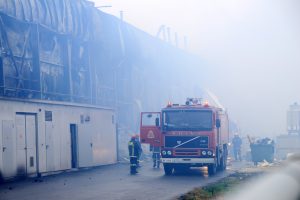
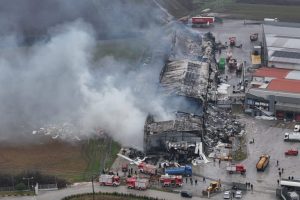
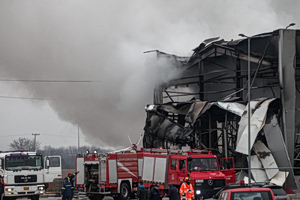
Survivors of the explosion are expected to give statements on Tuesday, a key step in efforts to clarify how the workplace accident unfolded. Cleanup operations also began, with crews removing burned structures and debris from the heavily damaged facility, described by witnesses as resembling a war zone.
Most of the workers on the overnight shift were women, many of whom chose night work to balance family responsibilities. Several employees escaped death by chance, as they were either on break outside the building or positioned farther from the blast. They were hospitalized with minor injuries and breathing problems caused by smoke and debris.
Public reaction has been swift. Demonstrations began Monday demanding full accountability, while labor unions called a 24-hour private-sector strike in Trikala, accompanied by a public rally. Additional protests were announced in nearby cities, and a nationwide strike in the food and beverage industry has been scheduled for early February.
Local authorities also moved to honor the victims. The mayor of Trikala proposed three days of official mourning, reflecting the scale of the tragedy and its impact on the community.
Investigators are examining two primary scenarios: a possible propane gas leak, which can be difficult to detect, or an explosion caused by airborne flour dust. Specialized experts—including an electrical engineer, a chemist, and an explosives specialist—have been appointed to conduct on-site examinations and submit detailed findings.
According to officials, temperatures at the site may have reached extreme levels, intense enough to damage steel structures and cause a partial collapse of the building. The explosion occurred in a newer section of the factory that had been operating since 2023.
Union representatives raised concerns about workplace safety, pointing to issues identified during earlier inspections, including emergency exits and gas detection systems. While they stopped short of assigning blame, they stressed that the findings underscore the need for thorough oversight.
Four of the victims have been named, including a 42-year-old mother of two and several other women believed to have young children. Authorities say the identification process is being expedited due to the magnitude of the disaster.
As the investigation continues, the tragedy has reignited a national debate in Greece over workplace safety, accountability, and the human cost of industrial accidents.