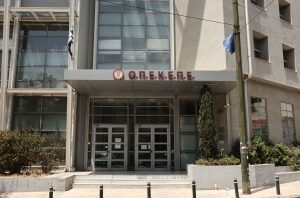
The number of suspects placed in pre-trial detention over the alleged OPEKEPE subsidy fraud has risen to eight, as marathon judicial hearings continue before the European Prosecutor in Athens.
Four more defendants were imprissoned on Sunday, bringing the total number of detentions to eight out of the 37 people arrested in connection with the case.
The latest pair -two brothers accused of filing false data for farmland used in cotton cultivation- were remanded after lengthy depositions. According to the indictment, they allegedly submitted fake land declarations to secure EU agricultural subsidies unlawfully. The brothers reportedly denied the allegations, telling the court that they believed they were following legal procedures for “young farmers” and had “no idea a fraud was taking place.” Earlier the same day, two other brothers were also placed in custody, while four suspects — including a couple accused of falsely declaring grazing land and livestock — were detained on Saturday.
Hearings continue for alleged ringleaders
The judicial process is ongoing, with several key defendants — including the alleged leader of the criminal network, his father, and his wife — scheduled to testify next. According to the indictment, the 38-year-old man from Giannitsa is described as having a “central and coordinating role” in the organization.
Prosecutors allege that he used his professional experience as a former employee at a certified subsidy application center (KYD) to identify undeclared farmland and pastures across Greece, which were then fraudulently registered under other names. He is accused of preparing and submitting false Single Aid Applications (EAE) on behalf of other members using their personal logins, while digital traces link the submissions to IP addresses registered to his wife.
The indictment further claims the alleged ringleader profited financially through both bank transfers and cash payments, which he allegedly laundered through gambling, high-value purchases, and complex money transfers, maintaining a “luxurious lifestyle.”
His father and wife are also accused of acting as deputy coordinators, managing the group’s financial operations and overseeing the flow and distribution of funds among members. Investigators say the father served as an intermediary, receiving payments and transferring money through personal and shared bank accounts, while his transactions allegedly indicate money-laundering activity. He is also accused of personally collecting €26,912 in illicit subsidies.
The wife, who runs a clothing retail business, is described in the case file as being responsible for handling the group’s illicit earnings. Prosecutors claim she simulated a divorce from her husband to avoid potential asset seizures and used her business accounts and IP addresses for the submission of fraudulent applications. Her participation, according to investigators, had a dual role — to cover her husband’s digital trail and to assist in concealing and legitimizing the group’s proceeds through bank transactions and business operations.
Ongoing investigation
The European Prosecutor and Greek investigating magistrates are continuing depositions with the remaining defendants through Monday. According to case information, additional arrests or detentions remain possible as the inquiry develops.
The case stems from a major operation by the Northern Greece Organized Crime Division, which led to 37 arrests across Thessaloniki, Pella, Edessa, Ioannina, Attica, and Crete. Authorities allege that between 2018 and 2022, the network defrauded EU and national funds by exploiting gaps in OPEKEPE’s digital system, declaring “orphan plots” — undeclared farmland — as their own and using forged leases and fabricated documents.
Investigators estimate the fraudulent payments total about €20 million, with at least €5 million confirmed as illicitly obtained. The European Public Prosecutor’s Office (EPPO) has overseen the case since the summer, working with Greek police to trace the flow of funds and identify participants. The case file now includes roughly 120 individuals, some of whom allegedly posed as farmers despite working in unrelated professions, such as construction, hospitality, and entertainment.
Greek authorities have ordered asset freezes and bank account audits, and the probe remains ongoing as officials pursue what they describe as one of the most complex subsidy fraud investigations in recent years.