Foxes and Wolves in Athens. Is The Urban Wildlife Scene Changing?
There have been several sightings of foxes approaching humans in Athens neighborhoods, and even a wolf sighting in one suburb. Is wildlife returning to the concrete?
Since the start of 2026, Athens has seen multiple sightings of foxes in some of its most densely built neighborhoods, along with a rare sighting of a wolf in the suburbs.
The first fox sighting was reported in the southern suburb of Agios Dimitrios. A few days later, another was spotted on the eastern side of the city in the Kaisariani neighborhood. A further sighting in Kolonaki, one of Athens’ busiest central areas, was particularly unusual given the high level of human activity there.
In another incident, a fox was filmed in the northwestern suburb of Petroupoli approaching people and attempting to steal a bag containing food. The video highlights not only the increasing presence of foxes in heavily urbanized areas, but also their growing comfort around humans, most often in search of food.
According to the Athens Centre, a confirmed population of foxes exists in the Tourkovounia hills of northern Athens. Fox populations also once lived on Mount Lycabettus and in the western district of Elaionas, though those populations appear to have declined. Beyond this, there is limited research on the exact number of foxes in Athens. Most sightings are believed to involve foxes descending from surrounding mountains such as Vyronas, Penteli, and Parnitha, rather than animals living permanently within the city. Urban wildlife experts hope more data will become available in the future.
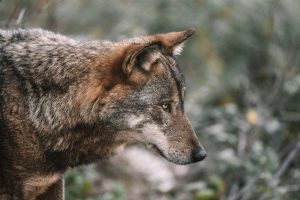
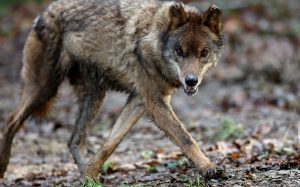
In addition to fox sightings, 2026 also brought a wolf sighting in the western suburb of Chaidari. Authorities were notified, and residents were advised not to approach the animal, avoid feeding stray animals, and refrain from leaving animal remains on the streets. The Forestry Service stated that wolves may descend from mountainous areas in search of food if they believe it is available. The wolf was almost certainly from Mount Aigaleo, which borders Chaidari.
The population of grey wolves in Greece has fluctuated significantly over time. Until the 1920s, grey wolves were found as far south as the Peloponnese and even in Eastern Attica. Their decline was driven by several factors, including urbanization and the shift away from mountain-based agricultural societies in the early 20th century, which reduced prey populations such as wild boar. Hunting also played a major role, particularly after the Ministry of Agriculture classified wolves as harmful animals between 1969 and the 1990s. Between 1969 and 1978, an estimated 500 to 800 wolves were killed annually.
In 1998, wolf populations in mountainous regions of central Greece were designated a “strictly protected” threatened species under EU law. During the initial phase of protection from 1998 to 2001, the population in these areas increased from an estimated 150–300 animals to 500–700. However, in March 2025, wolves were downgraded to “protected” status following population rebounds across Europe.d
Despite increased protections and rising numbers, sightings of wolves within Athens remain rare. It remains to be seen whether future food shortages will bring more wolves into suburban areas, or if this incident will remain an exception.
Dozens of citizens returned from the Middle East with their pets, as authorities organized a special operation prioritizing both safety and family unity.