The situation evokes memories of the 2015 migration crisis, when Greece became the primary entry point into the European Union. In response, the 2016 EU-Turkey deal was brokered in Brussels to reduce flows. Today, the government in Athens finds itself again seeking international cooperation—this time with the deeply divided Libyan authorities—to curb a sharp increase in arrivals from North Africa.
Daily Crossings Overwhelm Crete
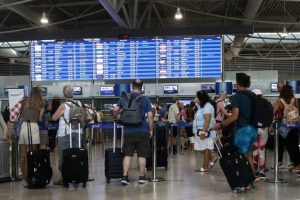
Greek coast guard officials report that nearly 1,000 migrants per day are crossing the Mediterranean from Libya and arriving on the southern shores of Crete—numbers the current infrastructure cannot accommodate. Reception centers are overwhelmed, and authorities warn of growing pressure on both logistics and public services.
The European delegation that recently visited Libya—including Greece’s Minister of Migration and Asylum Athanasios Plevris—experienced firsthand the complications of forging reliable partnerships. While discussions proceeded in Tripoli with Libya’s internationally recognized government, a scheduled meeting in Benghazi fell apart when the eastern leadership, aligned with General Khalifa Haftar, refused to meet unless the entire EU delegation recognized its self-declared government. That was deemed unacceptable by EU officials.
Greece Signals Hard-Line Response
According to government sources, Athens is preparing to unveil strict new policies aimed at deterring both migrants and human traffickers. These include:
- The establishment of closed detention centers in Crete to house migrants who arrive illegally.
- Criminalization of illegal stay, with immediate imprisonment for those convicted.
- Deportation-only exit policy, meaning migrants will only be allowed to leave Greek custody to return to their country of origin.
- Temporary suspension of asylum application processing for new arrivals from Libya, regardless of their nationality.
A draft law encompassing these provisions is expected to be submitted to the Greek Parliament soon. This legislation will likely include a proposal—previously floated by former Migration Minister Makis Voridis—to freeze asylum applications for migrants arriving via Libya. Greek officials point out that the majority of these migrants originate from countries like Pakistan, Bangladesh, and Egypt, which are considered safe and therefore not eligible for asylum under EU rules.
Government spokesperson Pavlos Marinakis emphasized in a television interview that upcoming measures aim to dismantle “the logic of attraction,” sending a clear message that illegal entry into Greece will have serious legal consequences.
Diplomatic Channels Remain Open—For Now
Despite the failed Benghazi meeting, Athens is not closing the door on dialogue with the eastern Libyan authorities. Officials point out that Greece’s foreign minister recently visited both Tripoli and Benghazi without incident, suggesting communication is still possible.
During the EU delegation’s visit to Tripoli, Greek officials reiterated their willingness to support Libya in managing migration at its source. They also stressed the urgency of the situation on Crete’s eastern coastline, calling for immediate and coordinated international action.