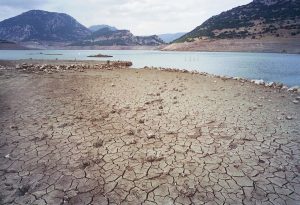
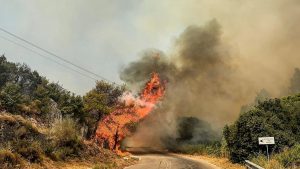
Over three months into its official wildfire season, Greece is confronting one of its most challenging summers yet. Dozens of fires break out daily across the country, with most contained quickly but some causing extensive damage. Experts had warned early on that prolonged drought and climate change would make 2025 another dangerous year.
Around 90% of fires are attributed to human negligence or arson, prompting authorities to invest heavily in early detection systems—most notably, a greatly expanded fleet of drones.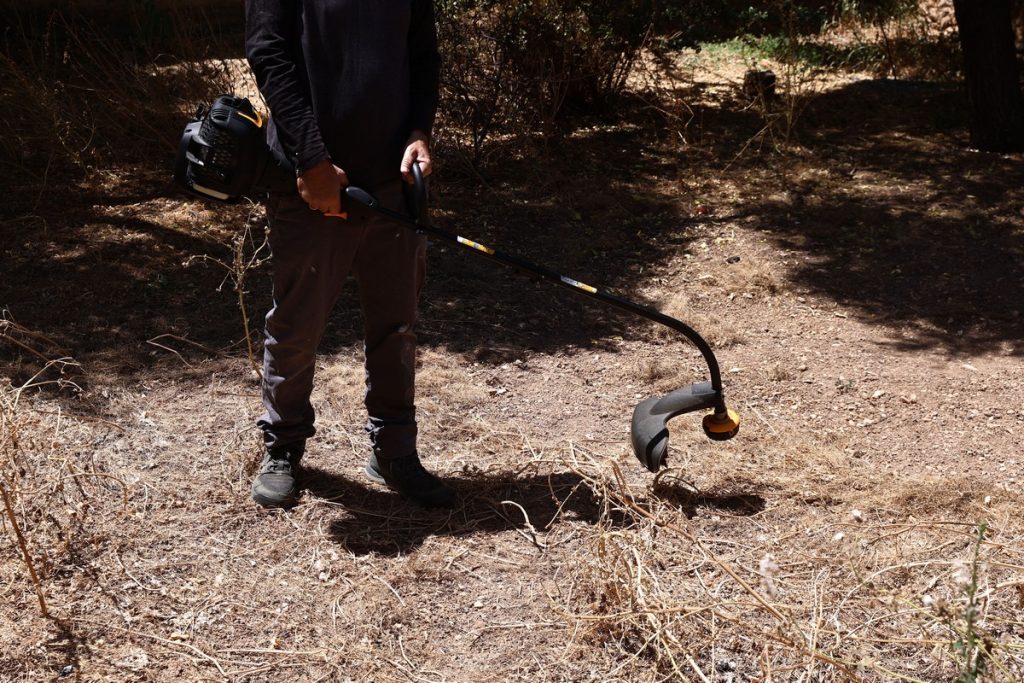
Citizen Responsibility and Tougher Penalties
The government has once again emphasized private land clearance as a key prevention measure, a policy that has sparked disputes with municipalities over insufficient inspection staff. This year, property owners had until June 15 to clear plots, with declarations far higher than last year—yet many remain unchecked.
Penalties are severe:
- Failure to declare can lead to a €1,000 fine.
- False declarations carry up to two years in prison and significant daily financial penalties.
- If municipalities must clear neglected land, costs are billed directly to owners.
Fines for serious violations can reach €54,000, and arson has been upgraded to a criminal felony with harsher sentences.
Reinforcements on the Ground and in the Air
Specialized forest firefighter units (known as EMODE) have grown from 16 to 21 nationwide, adding roughly 160 personnel and establishing new bases in Crete, the Peloponnese, Evia, and Zakynthos, with more planned.
Drone capacity has nearly doubled since last year—from 45 to 82—providing real-time surveillance to accelerate firefighting response.
International assistance through the EU Civil Protection Mechanism brings 323 firefighters from Austria, Bulgaria, France, Moldova, Romania, and the Czech Republic between July 1 and September 15. Four amphibious firefighting aircraft will also be deployed, while Greece will send a team to assist in Corsica.
NATO-Linked Aircraft Leases and Existing Fleet Limits
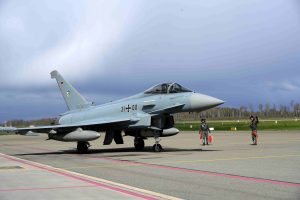
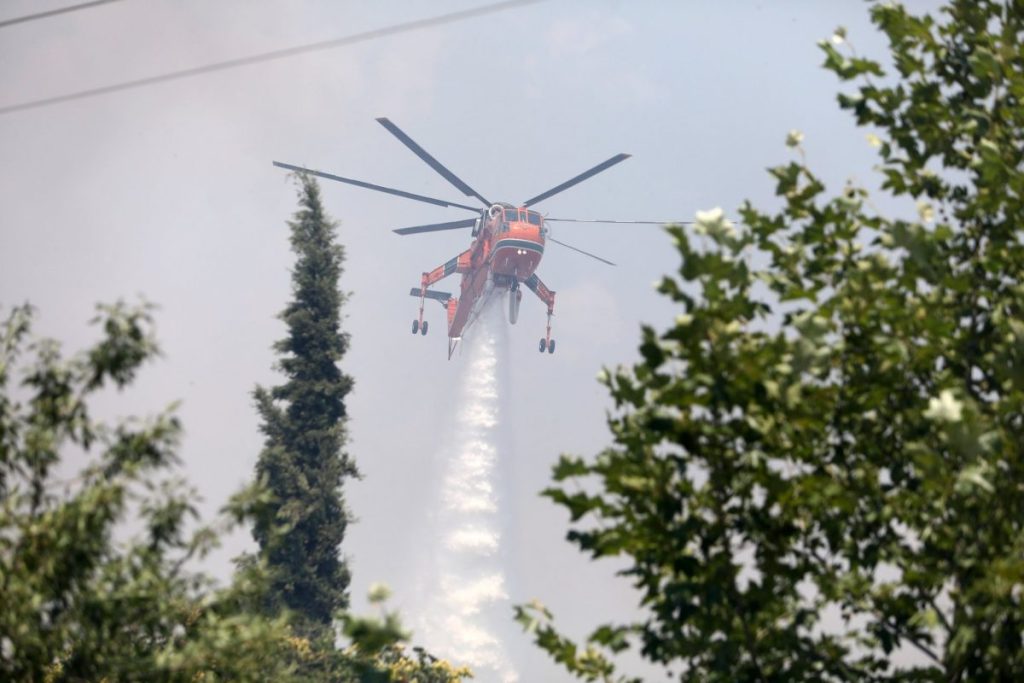
Through NATO’s NSPA program, Greece has leased dozens of aerial firefighting assets, including 15 helicopters and 15 amphibious planes from Australian operators, plus six heavy-lift S-64 Air Crane helicopters capable of carrying nearly 10,000 liters of water.
v
The national fleet includes 17 Canadair aircraft—though barely half are expected to be operational—alongside older planes and helicopters from the air force and fire service. In total, Greece will field 82 aerial firefighting assets this summer: 33 domestic and 49 leased, with numbers fluctuating as maintenance needs arise.
The Underlying Problems: Age and Shortages
Firefighting in Greece faces a structural challenge: an aging fleet, aging equipment, and an aging workforce. The average firefighter is 47 years old, and retirements often outpace new hires. Many gaps are filled by seasonal staff, a stopgap criticized by unions.
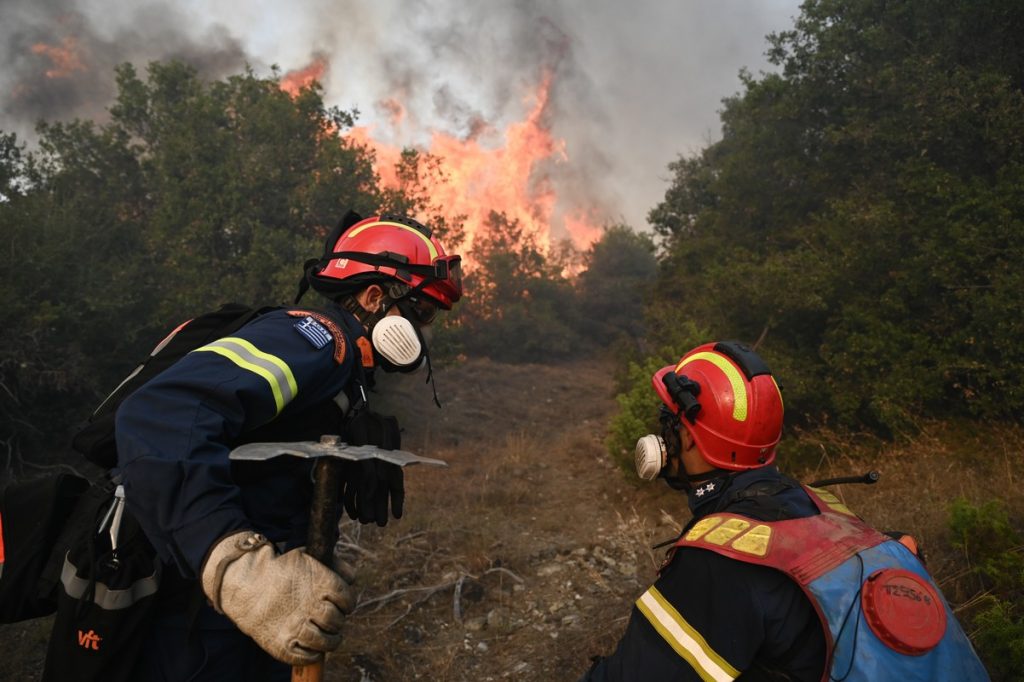
Κατάσβεση πυρκαγιάς κοντά στο χωριό Λίμνη του Δήμου Βόλβης, Θεσσαλονίκη, 20 Ιουνίου 2024.
For 2025, the total firefighting force is 18,031 personnel, including permanent staff, fixed-term firefighters, forest commandos, and 2,500 seasonal hires, supported by around 10,500 volunteers. Yet the service faces an estimated 4,000 staffing shortfall this year—up from 3,600 in 2024—fueling tensions between the government and seasonal firefighters over possible age limits.