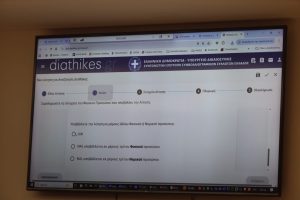
Greece has introduced a new Personal Number, a unique digital identifier for each citizen designed to consolidate multiple identification numbers, including tax IDs and social security numbers, into a single system. The number is linked to tax records, health and insurance data, e-government services, and digital document signatures, aiming to streamline bureaucratic processes.
Despite its benefits, experts warn of potential data privacy risks. Cyberattacks on databases could expose sensitive information, while malicious third parties might exploit the number for personal or financial gain. Even human error could lead to accidental leaks if strict security protocols are not followed.
To protect their data, citizens are advised not to share their Personal Number or identity photos online, use only official government platforms for digital processes, and report any suspected data breaches immediately.
Countries like Estonia and Denmark have successfully implemented similar systems with low breach rates, thanks to strong encryption and ongoing security audits. Greece’s success will rely heavily on transparency, citizen education, and consistent safety measures.